The Workers Rights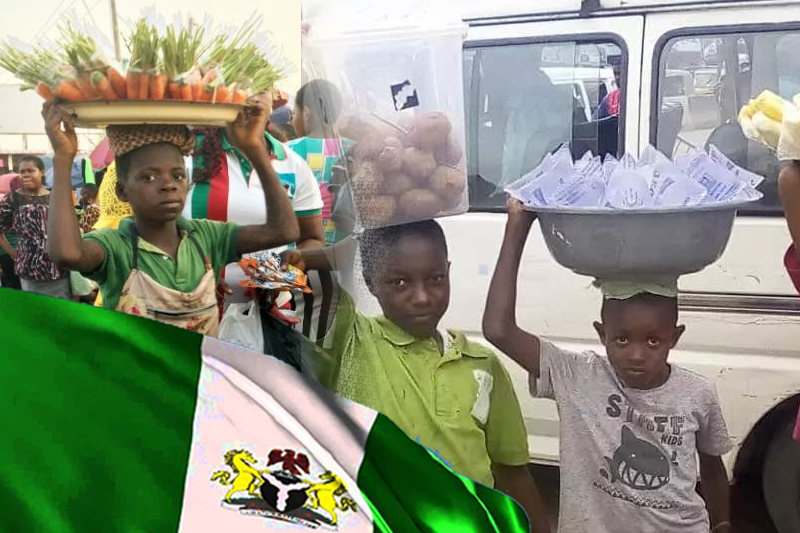
Nigerian Children
 West Africa – The Child Rights Act needs to be domesticated soon, is the basic cry out from the children of Africa. This can be done only when child sensitive policies and strategies can be given priority. This has been communicated through an open letter signed and sent to President Mohammadu Buhari, where Nigerian children specifically have urged the running government to double its investment in children and provide the necessary legal policy framework for justice.
Additionally, child champions of the Save the Children International, SCI, Nigeria, have also requested the government to design a child-led, comprehensive, multi-sectoral, national development agenda and plan for children.
There is a unanimous declaration that the 2003 Child Act really needs to be domesticated and its implementation should be prioritized as well.
Related Posts







In 2003, Nigeria adopted the Child Rights Act to domesticate the Convention on the Rights of the Child. The Children’s Rights Act of 2003 expands the human rights bestowed to citizens in Nigeria’s 1999 constitution to children. Although this law was passed at the Federal level, it is only effective if State assemblies also codify the law.
Children in many parts of Africa where internal strife has been rampant have been victims of abuse, child prostitution, child marriage, child soldier training, labour and deprived of basic education too.
As its main appeal SCI has urged for “establishment of at least one specialized children’s court and dedicated law enforcement units within the Nigerian Police, Security and Defense forces, agencies and services in each of the six geo-political zones of the country to fast-track the full implementation of the VAPP (2015) and Child Rights Act (2003). This will provide children in Nigeria with the necessary legal policy framework for seeking justice when our rights are denied or abused.”
“We would like to be a part of discussions regarding the Nigeria we want to see in a decade or two and beyond, as the country’s future depends on how the government invests in us today.”