
 kritika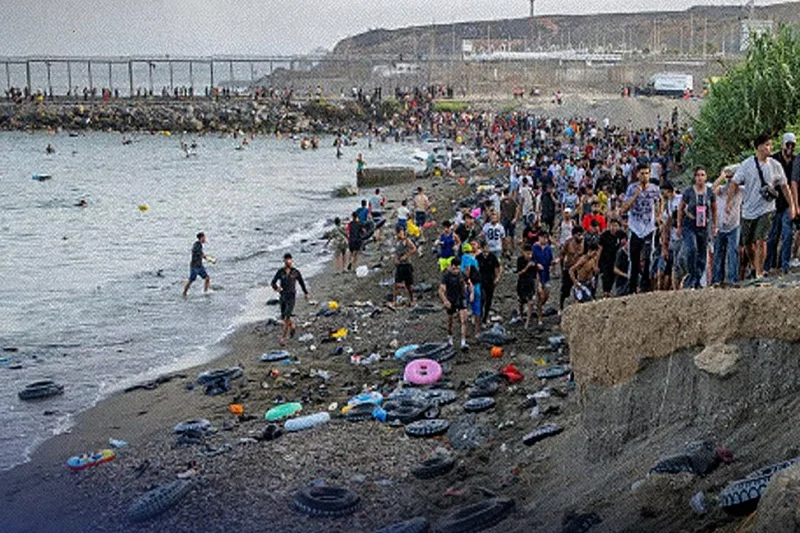
The migrant crisis in the Spanish North African enclave of Ceuta has entered a new phase with thousands of migrants who crossed from Morocco in late July returning voluntarily. Many of those who came in droves at first were now facing food shortages, limited access to essential supplies and growing uncertainties over their future.
The mass return has also reduced the number of migrants still in the enclave, although the Spanish authorities continue to deal with those still in temporary reception centres. The developments underline the humanitarian and logistical challenges that frequently attend rapid increases in migration across international borders.
The situation has also renewed attention to migration routes from North Africa to Europe, where border security, humanitarian aid and international cooperation remain key policy priorities.
Voluntary Departures Were Motivated By Food Shortages And Limited Services
Many migrants said they faced more difficult living conditions after arriving in Ceuta. In many places, local supermarkets and stores were forced to close as the sudden influx made it harder and harder to get food, drinking water and other essential supplies.
Some migrants described the conditions as being stuck without enough resources and said the hope of getting immediate aid quickly faded. The absence of commercial services added to the burden of humanitarian organisations and local authorities already coping with record numbers.
The shortages were a direct reason why many migrants decided to go back to Morocco rather than remain in uncertain conditions in the Spanish enclave.
Local infrastructure was under increasing pressure to provide shelter, food distribution, sanitation and medical assistance as the number of arrivals outstripped the capacity of existing facilities.
Safety Concerns Compounded The Uncertainty Within The Enclave
In addition to shortages of necessities, many migrants also reported rising fears for their personal safety while in Ceuta. Reports of increasing hostility and isolated clashes with the local population fed a mood of uncertainty.
In some neighbourhoods, such as El Príncipe, accounts said tensions between some residents and newly arrived migrants increased with the strain on local services. Public order was maintained by the authorities, but the safety concerns caused many migrants to reconsider their stay in the enclave.
Security issues were another critical factor leading to voluntary returns to Morocco for people already in tough situations following perilous journeys.
Misinformation Online Played A Role In The Initial Surge Of Migration
The late July influx into Ceuta was reportedly driven by false information circulating on the internet about border access. Thousands of migrants attempted to cross after it was rumoured that there was no longer a limit to entering Spanish territory.
Many had hoped for a better life and better access to Europe once they reached Ceuta. Instead, they found themselves facing reception facilities that were overcrowded, administrative uncertainty and a lack of availability of essential services.
Tragic Human Losses Due To Dangerous Crossings
Maritime migration across the Mediterranean and surrounding seas remains a major risk due to overcrowded boats, unpredictable weather and dangerous sea conditions. Crossings at the border may also expose migrants to physical danger and fatigue.
International organisations have repeatedly highlighted the importance of safe migration pathways and joint humanitarian action to avoid unnecessary deaths in migration emergencies.
The reported casualties are another reminder of the human cost that is often felt with irregular migration across complex international borders.
Spain Still Manages Remaining Migrant Populations
Most of the migrants are back in Morocco, but Spain’s authorities continue to assist those who are still inside Ceuta. Reception centres continue to operate as officials process administrative procedures and offer temporary accommodation.
Special attention has been paid to unaccompanied minors who, according to international humanitarian standards, are entitled to additional legal protections and specialised care. Child welfare services are still working with government agencies to meet their immediate needs.
Coordination among local authorities, humanitarian agencies, health service providers and border management agencies is required to manage the remaining population.
Border Security Measures In Place After The Crisis
Spanish authorities have also boosted border security measures in response to the mass migration surge. Maritime patrols, physical barriers and surveillance systems remain in place to prevent further unauthorised crossings, while ensuring the safety of the public.
Border management remains a central element of Spain’s overall migration strategy, especially in Ceuta and Melilla, the country’s two enclaves on the North African coast. Both territories have faced recurrent pressures of migration in recent years.
The authorities still try to fulfil their humanitarian obligations, while maintaining border security. They want to manage the migration processes in an orderly fashion, but they have to react to emergencies as they arise.
The Crisis Reveals Wider Migration Problems In The Med
The developments in Ceuta are an example of wider migration pressures on Europe and North Africa. Armed conflicts, economic hardship, political instability, climate-related challenges and misinformation continue to push many people to undertake perilous journeys in search of better prospects.
Destination countries, meanwhile, face the challenge of balancing humanitarian obligations, border management, constraints on local resources and concerns about public security. But food shortages, lack of services and fear of security turned what looked like great progress towards Europe into the opposite.
Stay informed on Europe’s migration challenges.
Why Is Spain Seeking Help?
Check out the latest child migrant response.
How Serious Is Ceuta’s Surge?
Find out what’s driving arrivals.
Did Morocco Stop More Migrants?
Uncover the latest border enforcement efforts.
Why Were Ceuta Arrests Made?
See what sparked the police action.
How Do Conflicts Drive Migration?
Dive into the causes behind the journeys.





Recent Comments