
 kritika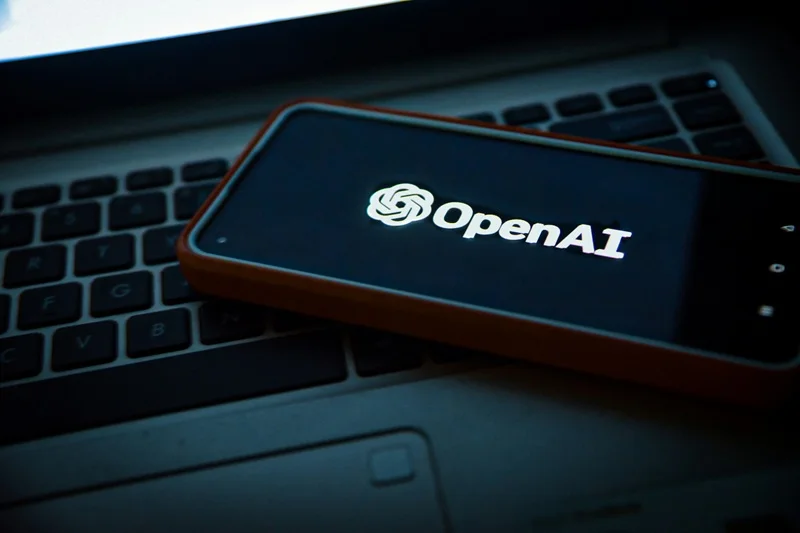
After the U.S. Department of Justice settled with OpenAI after it was accused of giving preference to visa holders over qualified U.S. applicants for hiring, the rules governing its hiring are undergoing an overhaul. The DOJ action against OpenAI revealed that some jobs were not posted on the public job board and that others involved with the process of filing paper applications were posted in ways that were unlikely to attract candidates in America.
Moving forward, it is important that OpenAI publicise all positions, accept applications online, and educate its employees about anti-discrimination law. This shift in the nature of the OpenAI hiring process should definitely be kept in mind by all those who have been paying attention to the OpenAI hiring developments of 2026, since it will definitely have a major impact on the future OpenAI hiring process for many months.
What Actually Happened
The Immigration and Nationality Act (INA) was also violated by both OpenAI and its subsidiary Statsig while undergoing the PERM process – the process through which the government sponsors foreign nationals to become permanent residents.
Investigators found that OpenAI didn’t post job listings for its PERM section on its public job page (a step it typically takes), required that applications be submitted on paper where all other job postings accepted digital applications, and even used late-night radio ads for its job listings. The pattern was important enough for the DOJ antitrust investigation of hiring conduct to take it seriously; no more than ten positions were involved.
Quick Facts: OpenAI Hiring Rules Settlement
- Total settlement: $3,200,000
- Civil penalty: $1,200,000 to be paid to the U.S. government.
- Back-pay fund: $2,000,000 for workers affected by the U.S.
- The number of roles impacted: Less than 10 PERM-sponsored jobs
- Participants: OpenAI OpCo LLC and Statsig Inc.
- Effective changes: Public job posting, online application, staff training, continuous monitoring by DOJ.
- Announced: August 4, 2026
What’s Changing in OpenAI’s Recruitment Policy
The new agreement calls for three specific changes to OpenAI’s recruitment policy: Each position, including PERM positions, must be posted on the public site, not just emails to the HR team; Applications should be accepted electronically – not by mail; and OpenAI’s recruiters are to be provided formal training on citizenship-discrimination law. These OpenAI hiring changes aren’t a one-off thing, as OpenAI will have to deal with the government’s monitoring and reporting obligations as well.
Old Practice vs. New OpenAI Hiring Rules
| Hiring Step | Before Settlement | After New Hiring Rules from OpenAI |
| Job visibility | Some roles hidden from public site | All roles are publicly posted. |
| Application method | Some jobs require paper testing instead. | Electronic applications accepted |
| Advertising | Late-night radio spots | An advertisement posted on a regular web page.. |
| Staff training | Not specified | Mandatory anti-discrimination training |
| Oversight | None | Monitoring and reporting by DOJ |
Why This Matters for AI Talent Recruitment
This case comes as part of a broader wave of scrutiny in the AI industry on hiring practices. However, with the increasing demand for machine learning talent, hiring compliance in AI is starting to be more of a concern for regulators apart from OpenAI. The AI sector is poised for tougher scrutiny of visa-sponsored versus U.S. job seekers by hiring policies of the AI companies themselves, industry-wide. Other tech firms could be watching, and this settlement may lead to broader tech hiring rules.
More AI workplace updates await.
How High Can AI Pay?
Find the top AI salary insights.
Can AI Help Samsung Workers?
Check out the latest AI tools.
Why Is Oracle Cutting Jobs?
Uncover the reason behind layoffs.
Changing Jobs After AI Lawsuit?
Get to know the legal risks.
Is AI Job Security Changing?
Look into the growing worker concerns.
What Workers Should Watch Next
- It remains unclear if the new OpenAI posts are introducing new, public job announcements for previously unlisted positions in the PERM, however.
- Increased scrutiny on AI hiring compliance: How other AI companies are reacting.
- Any follow-up action following the OpenAI antitrust suit and/or other DOJ antitrust investigation activity.
- A new phase of development in how OpenAI welcomes and filters applicants for paid roles
FAQs
Has OpenAI violated antitrust regulations?
No — it is a worker discrimination under immigration law case — not an antitrust law case — although often mentioned in the same breath as the OpenAI case is discussed.
How much will OpenAI pay?
A total of $3.2 million: $1.2 million for civil penalties and $2 million to be paid in back pay to affected workers.
Does this mean that all OpenAI jobs will be impacted in 2026?
It has an obvious impact on PERM-sponsored positions. In the end, the new OpenAI hiring policies regarding posting and the application process might have a broader impact on hiring practices.
Does OpenAI need to hire Americans?
Yes. The settlement calls for transparency in job openings in the future for U.S. workers while OpenAI is recruiting.
Where do workers who have been impacted by the decision find relief?
The DOJ’s Immigrant and Employee Rights Section has a public hotline and email service for employees and employers who want to know more about citizenship-based hiring discrimination.





Recent Comments