 kritika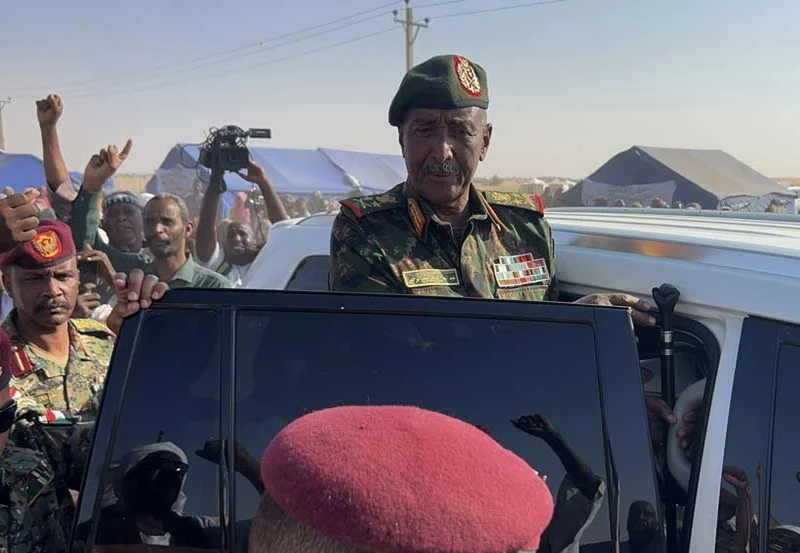
(C): X
Sudan is under increasing pressure from the international community, given calls from the United States, Germany, Australia, Finland and Belgium for answers to accusations that the Sudanese Armed Forces (SAF) using chemical munitions containing chlorine in the nation’s conflict between the government and the paramilitary Rapid Support Forces (RSF).
Diplomatic talks with regards to the issue were the main focus during the 113th session of the Executive Council of the Organisation for the Prohibition of Chemical Weapons (OPCW) held in The Hague, Netherlands, from 6-9 October 2026. Also of concern were the United Kingdom and the European Union, which demanded clarification from Sudanese authorities over the allegations and its adherence to the Chemical Weapons Convention.
The renewed investigation comes after reports that appeared in The New York Times and The Washington Post on 5 September reporting evidence of the Sudanese military’s development, testing and storage of chlorine-based munitions. But the claims are not substantiated in any publicly released OPCW statements.
US, Germany and European Countries Demand Transparent Investigations
The five nations demanded more transparency and honest investigations of the alleged chemical weapons programme. They came out with such statements after growing concerns that the allegations might not be just a grassroots event in a given field.
Belgium said it was concerned Sudan’s response was not serious enough to the claims. During the Executive Council meeting on 7 October, Ambassador Wouter Detavernier requested further information from the Sudanese authorities.
Germany questioned the use of alleged chemical weapons in 2024 as possibly being part of an undeclared programme. Ambassador Gudrun Lingner urged Sudan to conduct a “full and comprehensive national investigation”, promptly publish its results, and cooperate fully with the OPCW.
The Sudanese Armed Forces are also reported to have stockpiled and used chemical weapons, of which Australia also expressed alarm. Ambassador Gregory French observed Sudan’s interim report on its national investigation and requested a true and transparent report of any possible breaches of the Convention.
Finland called on the Sudanese authorities to promptly, objectively and transparently investigate the allegations. It also received confirmation that the OPCW Technical Secretariat will remain monitoring the situation.
The United Kingdom urged Sudan to bring its national investigation to a close and provide the organisation with a report of its findings. In the meantime, the European Union used the ‘request for clarification’ procedure called for under Article IX, paragraph 4 of the Chemical Weapons Convention with the OPCW Executive Council, requesting clarification from the other state.
September Investigations Intensify Scrutiny of Sudan’s Military
The diplomatic pressure is after the publication of two separate investigations in The New York Times and The Washington Post on 5 September 2026. The reports included evidence from documents, photographs, videos and communications that allegedly indicate a Sudanese military program with chlorine-filled munitions.
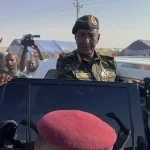
The New York Times reported that the material contained some 150 documents, photos, video clips and voice messages as well as thousands of text messages from Sudanese officials’ mobile phones. The newspaper said army chief Gen Abdel Fattah al-Burhan had information about the alleged programme in their communications.
These findings are reported allegations, not an independently-made OPCW determination. A Sudanese military representative dismissed the New York Times claims as “baseless and without material foundation” and vowed to take legal action against the newspaper.
Sudan also has challenged Washington’s claims, claiming the United States had found no evidence and Sudan was willing to invite US experts to conduct on-site verification.
The competing claims are more concerned with how independent the investigation was, access to evidence and the transparency of the investigation that has been able to determine what happened during the conflict.
US Sanctions Add to Diplomatic Pressure on Khartoum
Washington has been more aggressive than other governments, which have applied two sets of sanctions after concluding in 2024 the Sudanese government had employed chemical weapons.
On 24 April 2025 the US State Department made that determination, which was made public on 22 May. Certain US exports and US government credit, to include certain exports to Sudan were first subject to sanctions on 27 June 2025.
A second set of measures entered into force on 20 July 2026, and increased the restrictions and included US opposition to multilateral development bank loans to Sudan.
During the October OPCW meeting, US Ambassador Nicole Shampaine called for the member states to deal with Sudan’s “ongoing non-compliance.” She also urged the countries to boycott candidates in the Executive Council who continued to be in violation of their duties.
Currently, Sudan is serving on the OPCW’s 41-member Executive Council. The US position comes at a time of extra diplomatic complexity ahead of the upcoming Conference of the States Parties (COSP) which will take place on 23-27 November 2026. Any action which might impact on the membership of the Council should be conducted pursuant to the organisation’s relevant procedures.
OPCW Monitoring Keeps Focus on the Next Steps
OPCW Director-General Sabrina Dallafior stated that the Technical Secretariat was still receiving reports on the use of chemical weapons in Sudan, and urged the member states to provide relevant information.
The organisation will have a pivotal role in identifying any further clarification or investigation needed. The potential proof of a chemical weapons programme and the use of chlorinated munitions provided by statements made during the October session reflect international concern, are not independent evidence of either the existence of the programme or the use.
There is now a growing demand in Sudan for the State to publish credible investigative results and cooperate with OPCW in a transparent manner. The next step will be based on the evidence collected, the response of the Sudanese authorities and what action member states take under the Chemical Weapons Convention.
This distinction between national determinations, media investigations and confirmed international reports is crucial, until the allegations are substantiated independently by the appropriate avenues.
Stay Informed: Explore More on Sudan’s Growing Crisis
1. How Are SAF-Islamist Networks Under Scrutiny?
2. Could Sudan’s Crisis Threaten Red Sea Energy?
3. What Do Sudan’s Chemical Allegations Reveal?
Explore the wider questions surrounding chemical weapons allegations and the ongoing war in Sudan.
4. How Are Civilians Facing Growing Humanitarian Fears?
5. What Happened to Sudanese Armed Forces Detainees?