The Workers Rights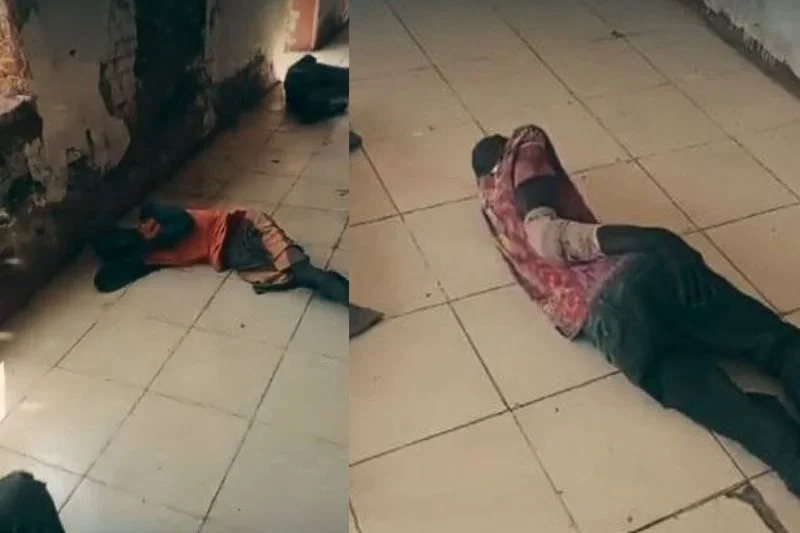
The long-running conflict in Sudan has resulted in an ever-worsening human rights situation for civilians caught between the Sudanese Armed Forces (SAF), the Rapid Support Forces (RSF) and their affiliates. In addition to the violence on the battlefield, allegations of arbitrary detention, torture, ill-treatment and denial of due-process rights have raised serious concerns about the treatment of civilians held in areas controlled or retaken by the military.
Recent research by Human Rights Watch based on interviews with former detainees, relatives, lawyers, activists and a member of the security forces documented allegations involving civilians detained by SAF-affiliated forces. There have been reports of abuse including arbitrary detention, torture, inadequate food and medical care, incommunicado detention and alleged deaths in custody. “Human Rights Watch spoke with 28 people between June 2025 and February 2026 regarding cases in several states including Gezira,” it said.
Allegations of Torture, Neglect and Unhuman Conditions
Accounts collected by Human Rights Watch describe profoundly disturbing conditions in some detention settings. Former detainees have complained of being physically abused during interrogations, inadequate access to food and sanitation, and not being given appropriate medical care. The organisation documented five cases of allegations of torture or cruel, inhuman and degrading treatment and two reported deaths in custody.
Other reports detailed detainees being given inadequate food and denied access to basic facilities. One former detainee said people in custody were given just one meal a day and weren’t allowed to use a bathroom for long stretches. These accounts raise questions about whether detainees are being afforded basic necessities and humane conditions in custody.
The charges also include allegations of people being held at unofficial places of detention, including private houses allegedly converted into detention sites. Former detainees and lawyers told Human Rights Watch of transfers between facilities under the control of different security forces, making it difficult for families and lawyers to know where detainees had been taken. The Sudanese Attorney General denied that civilians were detained in military facilities or houses used as detention centres.
Arbitrary Detention and Denial of Due Process
One of the main issues is the alleged detention of civilians on charges of collusion with the RSF. Human Rights Watch said some people were reportedly arrested because of their ethnicity, perceived political affiliation, humanitarian work or simply because they had lived in areas previously under the control of the RSF.
There have been concerns about legal oversight of the alleged use of so-called security cells. These units have included police, General Intelligence Services, Military Intelligence and, in some instances, military-affiliated militias, according to Human Rights Watch. The organisation said there were reports that some detainees were held without access to lawyers or judicial oversight.
Another major concern is incommunicado detention. Former detainees and relatives reportedly recounted cases where authorities failed to notify families about a person’s location or condition. Human Rights Watch documented cases of family members being unable to confirm whether a detained family member was alive or where they were being held.
When accusations can lead to severe criminal penalties, due process is particularly important. Human Rights Watch said it was concerned by reports that civilians were sentenced to death after trials that allegedly failed to meet basic fair-trial guarantees, including sufficient access to counsel.
Gezira State and Targeting of Civilians
Gezira State is a particularly important part of the wider detention picture. The area was previously in the hands of the RSF, but was retaken by the military and its allies. Human Rights Watch documented allegations of abusive detention in Gezira and other areas that changed hands during the conflict.
The reported cases demonstrate why individual evidence is important. Accusations of ethnic background, political activity or humanitarian work should not be taken at face value as evidence of collaboration with an armed group. Human Rights Watch documented cases involving Darfuris, aid workers and political activists accused of supporting the RSF.
At the same time, Sudanese authorities have rejected a number of allegations. The Attorney General told Human Rights Watch there was no systematic targeting on the basis of ethnicity or humanitarian work and disputed claims on detention locations. Replying to the findings of Human Rights Watch, the Attorney General rejected allegations of arbitrary arrests and custodial deaths, except in one case where criminal proceedings were said to be in progress.
The Need for Independent Investigation and Accountability
The allegations highlight the need for independent monitoring and credible investigations into detention practices throughout Sudan. Human Rights Watch has urged the release of those detained without due process, and has called for access by independent monitors and investigators, and for greater accountability for abuses.
Persons deprived of liberty enjoy the protection of international human rights and humanitarian law; Torture, cruel treatment and unlawful deprivation of liberty can constitute serious violations and may, depending on the circumstances and the evidence available, amount to war crimes or crimes against humanity.
A rights-based response takes more than competing claims. Allegations should be investigated individually, evidence preserved, detainees should be granted legal protections, and families should be given information about their detained relatives. Independent investigators should also have access to detention facilities and be able to investigate allegations of abuse without obstruction.
The protection of detainees is inextricably linked to the wider struggle for human rights and accountability for Sudanese civilians. Providing lawful detention, humane treatment, access to counsel and fair judicial procedures can help protect civilians while building a stronger basis for justice and, in turn, a sustainable path to peace.
Global Worker Rights Issues You Should Know
Who Pays Rising H-1B Extension Costs?
Check out what workers can do if employers refuse payment.
How Do Malaysian Workers Navigate Singapore?
Find the key housing, economic and retirement challenges.
Could UK Bosses Really Face Jail?
Uncover what the illegal hiring crackdown means for workers.
Why Are Ceuta Migrants Returning?
Browse the food, safety and migration pressures driving returns.
Can Europe Solve Its Labour Shortage?
See why migration controls clash with growing worker demand.