The Workers Rights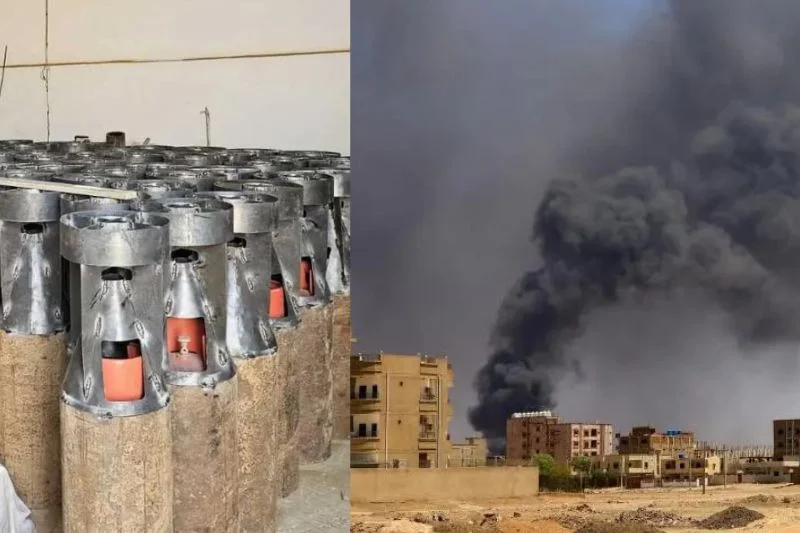
Sudan’s devastating civil war is in the spotlight once again after there were reports of chemical weapons being used. The claims have sparked a debate not just in the area of battle but on questions of military command, armed networks, accountability, and what the future of the Sudan security institutions will be.
Chemical-Weapons Allegations in Sudan
The conflict seemingly escalated in the wake of reports concerning documents and other material allegedly related to a chemical-weapons programme by the Sudanese military. The United States accused Sudan of using chemical weapons in 2024. Sudan’s authorities denied the accusations but appealed to the international community to uphold its commitments.
The competing claims show the significance of making a distinction between allegations and independently verified evidence. Determining if chemical weapons have actually been released, their location of use, and who is liable would depend on credible investigations conducted on the basis of physical evidence, documents and testimony.
Why Independent Investigation Matters?
Investigators would have to find out how the chemical weapons were acquired, developed, or deployed if they are found. They would also have to determine whether their use was authorized and if the high-ranking commanders were effectively controlling the individual personnel engaged in such uses.
The Organisation for the Prohibition of Chemical Weapons plays a major part in the international regime concerning chemical weapons. Witnesses and other evidence might be of use in determining facts and maintaining evidence for possible accountability.
Islamist Networks and Sudan’s War
The charges also dovetail into suspicions of armed networks that are associated with Islamists that are operating with Sudan’s Armed Forces. The Eurasia Review analysis highlights the Al-Baraa bin Malik Brigade and networks associated with Sudan’s former Bashir-era political order.
These connections must be looked at, though. There is no automatic link between close co-operation by armed groups and a common chain of command, or between them and the responsibility for alleged use of chemical weapons. Alliances during Sudan’s wars are still complex and dynamic.
What Could Happen After the War?
This conflict can have lingering repercussions beyond the end of the battles. Armed groups remain on the battlefield and have political control; a political settlement will need to reconcile these groups in the future.
One key question that looms over Sudan’s future security institutions is whether or not wartime networks will be included or not. The instability may also spill over to neighboring countries, and weapons development and security on the Red Sea and Horn of Africa.
Accountability Must Remain Central
Independent investigation and evidence preservation needs to be maintained as a priority for international actors. You should start a credible process with no assumption that you’re right or that the other side is right.
Impartial investigation can assist to prove this if the allegations are disproved. Substantiations may provide evidence that may establish accountability in the future and help to identify those to blame. Thus, Sudan’s war is in part fought over institutions and armed networks that remain.
Know Your Rights and Stay Protected at Work
What Are Different Types Of Leave?
Explore casual, sick and paid leave rules.
How Do Global Parental Leave Laws Work?
Discover rights and policies worldwide.
What Counts As Protected Characteristics Singapore?
Check new anti-discrimination law details.
What Is Workplace Discrimination Exactly?
Explore causes and prevention methods.
Why Can’t Workers Adapt To Heatwaves?
Discover challenges faced by urban workers.