
 kritika
(c): x
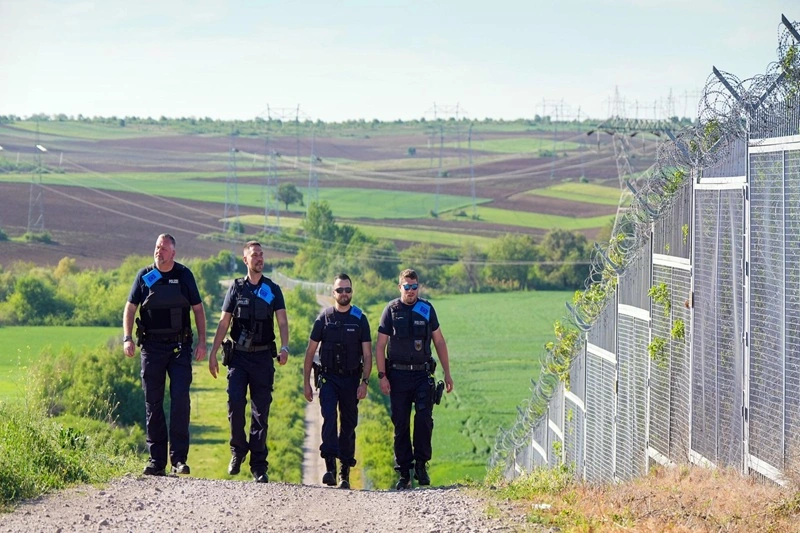
Brussels has come up with an ambitious proposal. The European Commission (EC) on 27 October 2026 announced that it is proposing to provide Frontex with many more people, more powers and smarter technology. AI will also be part of the Frontex expansion, in the monitoring of the EU’s borders – a pressing question: But who will monitor migrants, and who will protect their data? The plan remains at a proposal stage but has the potential to change European border security for years to come.
Key Highlights: Quick Facts
- Proposal date: 27 October 2026, announced by the European Commission
- Target size: Frontex personnel rising to 30,000, including a 17,000-strong border and return reserve
- New tools: An Online Surveillance Centre and central purchasing of AI-based equipment
- Returns: A digital system for return, readmission and reintegration, plus a Return Coordination Centre
- Status: Not yet law; the European Parliament and the Council must both agree
What the Frontex Expansion Actually Proposes
Together, they employ 30,000 people. The vast majority would be from a pool of 17,000 officers that member states would be able to mobilise in case of a large and emergency influx. It would be accompanied by a fast attack force to deal with migration crises, and permanent detachments could be kept at particularly vulnerable crossings.
The Commission reiterates the primacy of the responsibility of national governments for protecting and taking the decisions on return at the national level. They wouldn’t be replaced by Frontex: Frontex would support them.
Where AI Enters EU Border Surveillance
The greatest discussion for the technology strand is the part that deals with the most advanced technology. The Online Surveillance Centre proposed would be able to detect threats sooner along the EU’s external borders and among the EU countries to exchange information more quickly. Furthermore, Frontex may have the capacity to serve as a unified buyer for equipment, particularly for the AI-based border checkpoints or other digital systems.
The proposal is not detailed in terms of the tools used, leaving open whether the use of facial recognition at borders or biometric (passive or active) surveillance at borders would be implemented. However, the majority of countries would be able to have these systems available through a centralised purchase of AI technology.
Faster Returns and a Digital Pipeline
The second pillar focuses on the returns. A new regulation would eliminate most of the paperwork and embed a common online case management system to address return cases. The EU has to improve in removing all those who have no desire to remain, said Commissioner Magnus Brunner: “The platform of Frontex should become the place where this works, too.”
The agency would also form more cooperative work with the non-EU countries to determine readmission and provide joint operations.
Privacy and Human Rights Concerns
It is clear that for migrants there are social concerns with the common databases. The more data that passes between agencies, the greater risk there is for errors, misuse or unfair profiling of both agencies and data users. But rights groups have long contended that automated trackers are difficult to fight, particularly if they are not native to the country or don’t know their legal rights.
The plan will maintain fundamental rights and legal protection “with respect,” the Commission says. It will probably be a contested proposal in negotiations whether or not data of migrants is adequately protected.
Why the Ceuta Crisis Matters
It comes after significant numbers of refugees arrived in July in Ceuta, revealing a lack of coordination of the European response. This proposal responds, in part, to Spain’s request to Brussels to make changes to speed up the asylum and return process in emergencies.
What Happens Next
Nothing changes yet. Prior to voting, lawmakers can modify staff numbers, powers and protections. The battle over the extent of technology on the border has certainly just started for the moment.
Europe’s Migration Debate: What Happens Next?
1. Why Are Migrant Arrivals Rising Across Europe?
Discover why migrant entry numbers into Europe have reached a six-year high.
2. Could Europe Introduce New Migrant Resettlement Plans?
Explore the European Parliament’s proposals for migrant resettlement across the EU.
3. Is Frontex Expanding Its African Border Operations?
Find out how proposed Frontex operations in Senegal and Mauritania could affect migration routes.
4. Are Migrants Facing Pushbacks in Greek Waters?
Uncover the allegations against Frontex and the concerns surrounding migrant rights in Greece.
5. Can Europe Control Migration Without Losing Workers?
Look into how EU migration policies could affect labour shortages and migrant workers.