
 kritika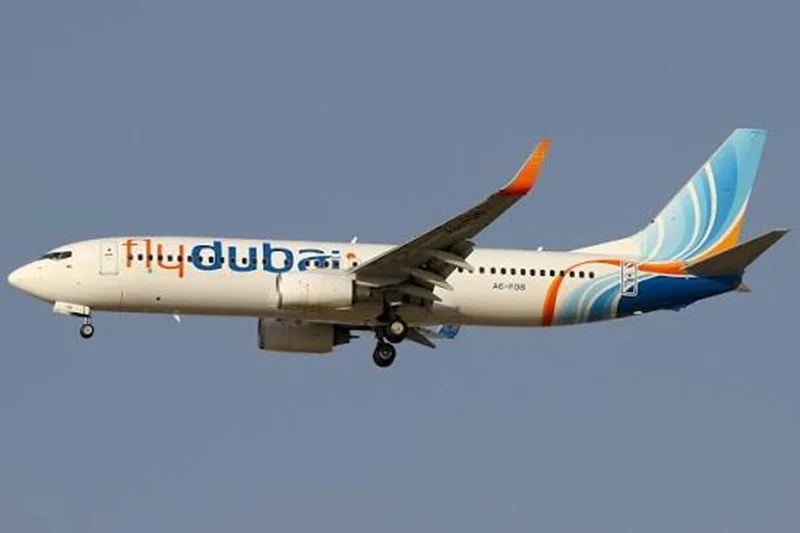
(C): X
The European Parliament’s decision to create a common European strategy to tackle Islamist entryism and the activity of the Muslim Brotherhood network is adding fuel to the fire of discussions over extremism, security and cross-border trade and cooperation. The resolution was adopted, with 381 votes in favour, 167 against and 15 abstentions, on 8 October 2026.
The vote is an important parliamentary process and will not result in an EU-wide decision on the terrorist designation or in any binding EU legislation.
The discussion is coming after a recent security incident on a Flydubai flight to Israel. The Times of Israel on 9 October said that officials charged that Omani copilot Hamam al-Hammami was intending to hijack the plane and smash it into a Ben Gurion terminal. But the captain and passengers managed to defuse the attack.
The two developments have raised issues about the security threat and extremists, but there is no available reporting to show whether the suspect in the case of Flydubai was connected with the Muslim Brotherhood.
European Parliament Pushes for a Common Anti-Extremism Approach
This resolution, adopted on 8 October, was the result of a Parliamentary debate on 7 October on the need for an EU strategy to counter Islamist entryism and the influence of the Muslim Brotherhood network.
It demands a shared European strategy with respect to the identification of Islamist ‘entryism’, a more detailed analysis of relevant networks and structures, and evaluations of individuals or organisations associated with the Muslim Brotherhood. It also aims to increase the scrutiny of funding by the EU and considers adding relevant individuals or entities to the EU terrorism sanctions list.
The vote is a sign that the fear of the influence of extremist groups has become a more significant issue in European institutions. But it does not mean that all the organisations or individuals involved in the debate are necessarily involved in anything illegal.
It will be up to the EU institutions and the Member States to answer the Parliament’s call.
Flydubai Incident Raises Questions About Security Screening
It is reported that al-Hammami tried to get to know the route and airport by using two previous flights to Tel Aviv before his attack on 30 September.
According to the Emirati authorities, signs of the suspect’s inclination and development towards extremist ideas emerged since 2017. He was also said to have watched material related to terrorism and to have studied boxing for the possible attack. He confessed to committing the crime alone, but authorities said they were continuing to investigate whether there was a co-conspirator.
The case has brought up concerns regarding the sharing of security data among aviation industry staff changing jobs or employers and among countries. In its defense, the United Arab Emirates argued that the accused was in possession of all the necessary qualifications to meet the requirements for being a member of Flydubai.
The report added that though Oman Air refused to let him fly due to his extremist views, Royal Air Maroc did not recruit him even after training.
The difference in details points out the difficulties in identifying potential threats with typical background checks. They also emphasise the need for the exchange of information between employers and competent authorities.
Security Measures and Europe’s Institutional Debate
The more general question for European governments is how they will deal with the possible risks to security that fall across national borders. The resolution by the Parliament is particularly focused on the scrutiny of coordinated activities, funding and review of networks deemed relevant to the Muslim Brotherhood discussion.
This should differentiate between the evidence of criminal behaviour and legitimate religious, political and organisational activity. To respect fundamental rights in counter-extremism policies, definitions must be clear, and procedures and safeguards against arbitrary decisions transparent.
The Flydubai case should not be used as proof of the suspect’s link to the Muslim Brotherhood. The two developments pose overlapping questions regarding security but in relation to different investigations and security policy issues.
What Happens Next for EU Counter-Extremism Policy?
The resolution will put pressure on the political side to take further action, but it is not without condition. It does not label the Muslim Brotherhood a terrorist organisation in all the EU Member States or impose new binding obligations on all Member States.
The outcome and further steps will hinge on EU institutions’ and national governments’ decisions. Future work should involve greater coordination of efforts of extremist networks, more rigorous review of public funding and/or review of whether certain individuals or entities satisfy the legal criteria for sanctions.
The investigation into the case of Flydubai could also serve as a catalyst for an in-depth review of security screening and information sharing among international airlines.
These are all part of an institutional trend toward cross-border security, institutional measures of security and prevention. The result of voting by the European Parliament depends upon future decisions.
Explore the Stories Behind Today’s Biggest Issues
1. Will Europe Take Action Against Brotherhood Networks?
Check out the latest calls for EU-wide action against Muslim Brotherhood-linked networks.
2. Why Are Brotherhood Networks Facing Growing European Scrutiny?
Uncover how European authorities are examining the networks’ influence and activities.
3. Which Five Movies Inspire Future Entrepreneurs Most?
Browse these five entrepreneurship movies for inspiration, business lessons, and fresh ideas.
4. Will Spain’s Migrant Abuse Investigation Reveal More?
Find out why Spain ordered an investigation into alleged migrant abuse by troops in Ceuta.
5. Why Are EU Unions Opposing the EU Inc Plan?
Explore concerns over labour rights, employee protections, and pay standards behind the protests.