 kritika
(C): X
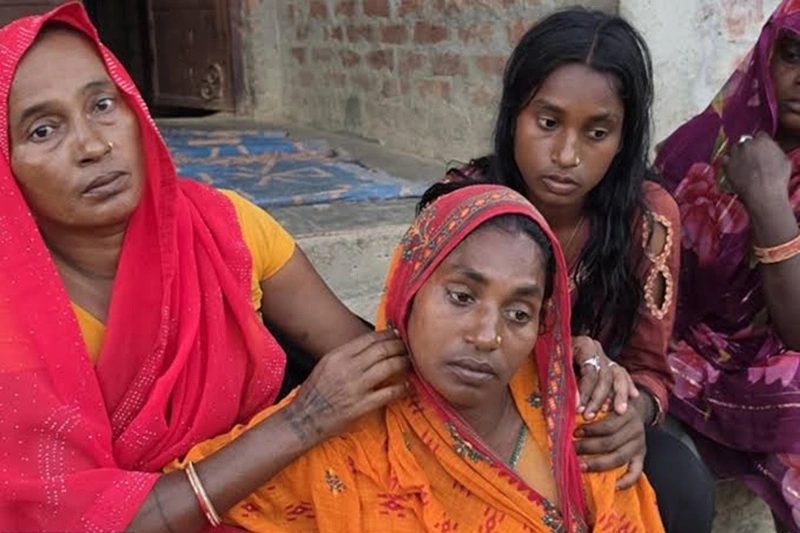
The Afghanistan drought and child marriage crisis is turning childhood into a bargain. As fields dry up and animals die, some families in north western Afghanistan promise daughters to older men for money to repay debts, buy food or pay medical bills. Girls as young as two have been promised in marriage; some are expected to leave home at puberty.
These are not ordinary wedding decisions. They show how hunger can push parents into choices that put children’s futures at risk.
When crops fail, girls pay the price
A 2018 World Vision report said 95% of people in Badghis depend on farming or livestock. When rain fails, crops wither and animals go hungry. Families sell what they can, but many still cannot afford food or treatment. Some leave their villages for crowded settlements, hoping to find work or aid.
For some households, a daughter’s bride price becomes a way to settle loans or cover urgent costs. Eleven-year-old Khatira, displaced by drought, was promised to a 20-year-old man to repay debts. Her mother said Khatira grew worried and often cried after the engagement. Darellah, now 15 and pregnant, spoke about marrying so young: “I am still a child.”
A childhood lost too soon
UNICEF reported in October 2026 that 28.7% of Afghan women aged 20 to 24 had married before turning 18. In some parts of the country, the figure was as high as one in two girls.
Early marriage can end a girl’s education and separate her from friends and family. Pregnancy at a young age brings serious health risks, and girls may be expected to manage a home before they are ready. UNICEF warns that child marriage harms girls’ health, safety and future choices.
Afghanistan’s hardship is deepening these risks. UNICEF estimates 21.9 million people, including 11.6 million children, will need humanitarian help in 2026. Funding cuts have also forced some aid programmes and clinics to close, reducing access to essential services.
What can help?
There’s more to early marriage than warnings to families. Food, cash support, health and protection services can relieve the burden of marrying to pay back debts. Support for farmers in the form of stable water supply and generating income during drought will help families to survive.
The voices of girls need to be heard, and access to education needs to be protected, and girls treated accordingly. No child should lose their future due to poverty. This is when it becomes more of a question that should not be solved by one family. Governments, aid groups and communities should act before the kids have no other options.
Discover the Latest on Afghan Rights, Visas and Humanitarian Crises
1. Could New UK Routes Offer Afghan Women Hope?
Explore how new UK pathways could create work and settlement opportunities for Afghan women and Palestinians.
2. What Does Germany’s Afghan Visa Ruling Mean?
Find out how Germany’s Constitutional Court decision could affect Afghan visa applicants.
3. Could Afghanistan Lose Two Decades of Progress?
Uncover how years of educational progress in Afghanistan are at risk of being reversed.
4. Why Are Afghan Migrants Facing Mass Expulsions?
Learn more about the humanitarian crisis affecting thousands of Afghan migrants expelled from Pakistan and Iran.
5. Can International Courts Protect Afghan Women’s Rights?
Look into how international courts could challenge Taliban policies and defend women’s rights in Afghanistan.