
 The Workers Rights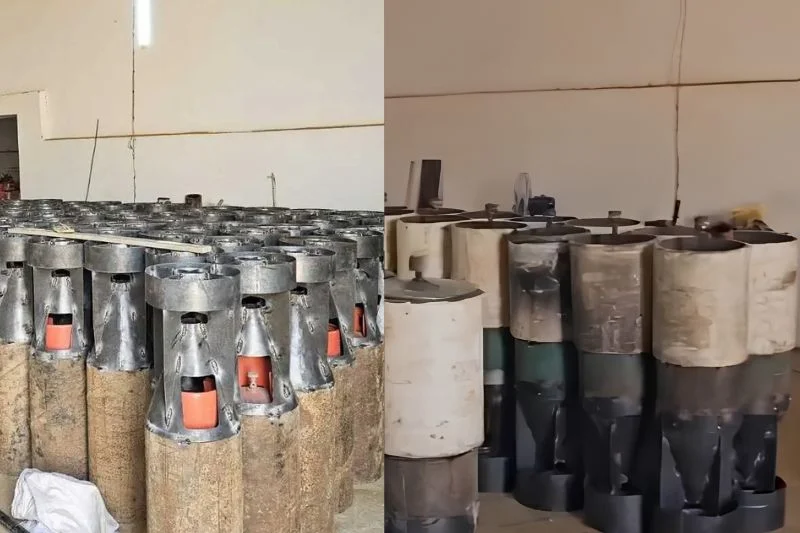
Dozens of new claims of chemical weapons use in Sudan have sparked concern that the conflict is entering another perilous stage, with millions of people forced to flee their homes and essential food, fuel, health and humanitarian access severely hampered by a war that has already killed and injured hundreds of thousands of people.
The New York Times and Washington Post reportedly uncovered documents, photographs, videos and communications that allegedly show that Sudanese Armed Forces (SAF) elements manufactured, stockpiled and used chlorine weapons. Weapons experts and former officials have reportedly evaluated the evidence as credible in some aspects, but not in establishing the details of the allegedly completed program.
Sudan’s military has rejected the accusations of using or producing chemical weapons. It will be crucial to be able to investigate and verify it independently before the claims are accepted as fact.
But for civilians, the worry is not whether chemical weapons were employed in specific attacks, but whether they were used at all. If found, their use could cause further harm to vulnerable communities and increase humanitarian access challenges.
Chemical Weapons Allegations Raise Fears for Civilians
News of chlorine weapons use would be a significant escalation in a war that has already seen civilians put at great risk.
Chlorine may cause serious respiratory injuries and can be particularly harmful in high population concentration areas, shelters and communities where emergency medical care may not be readily available.
The evidence indicates an improvised chemical-weapons program, according to the reported evidence, which includes bomb designs, test footage, photographs and communications. These claims need to be independently substantiated, but they have exacerbated worries among humanitarian groups and chemical-weapons experts.
The threat of chemical weapons is an additional worry for civilians who live near conflict zones. Individuals may not be warned well in advance, may have a limited ability to evacuate and may not have easy access to hospitals or specialised treatment.
The humanitarian impact may well be far greater than for those who are directly affected by an attack.
Why is the Al-Jili Refinery important to Civilians?
The Al-Jili refinery is significant not just for its strategic importance for the warring parties, but for the fact that fuel is part of daily civilian life.
Fuel is required to move food and medicine, to power generators and to move humanitarian personnel and keep essential services operating. Damage to the refineries, fuel depots or electricity infrastructure can, therefore, have repercussions off the battlefield.
Direct exposure to harmful chemicals and disruption of energy supplies combined with decreased access to services could pose an additional risk to the civilian community in the vicinity of energy infrastructure facilities if allegations of chemical weapons are substantiated.
The long-term impact of the loss of fuel could also be detrimental to hospital operations, water utilities and aid providers.
Port Sudan Could Become a Humanitarian Lifeline at Risk
Port Sudan is one of Sudan’s key logistics centres. It has far-reaching implications beyond trade and energy – transportation networks and supply routes are vital to humanitarian organisations that provide assistance into the country.
Any major disruption around the port may thus impact civilians who are already relying on humanitarian assistance.
Any disruption in the flow of food, medicine, and relief materials from the damaged storage facilities, roads, electricity lines, warehouses, etc. will slow the delivery of needed supplies. Problems related to security can also arise in regard to the level of difficulty and costs involved in providing humanitarian aid.
This particular problem is a particularly pressing one as Sudan is already facing large humanitarian requirements. Any other disruption to a logistical link in the country will only increase shortages and prolong delays in aid for regions far removed from the conflict zone.
Humanitarian Problems in South Sudan
These problems are not confined within the borders of Sudan as even South Sudan can be affected by them.
South Sudan depends heavily upon oil installations which travel through Sudan to get to the export terminals in Port Sudan. Extended disruptions could lead to a loss of government revenues and add further strain to already human-constrained economies.
The problem is not just one of oil exports or international energy prices, but also one of ideology. Losses in revenue may impact funding for public services, goods needed for importation and vulnerable populations.
This wider humanitarian perspective must be taken into account with any disruption to the oil corridor.
Sanctions Must Avoid Making Civilian Conditions Worse
If there is independent evidence of chemical weapons use, there will be pressure on international governments to hold the responsible parties to account.
Suspensions and prohibitions might be applied to people, entities and procurement chains that are associated with prohibited weapons. However, the impact on ordinary Sudanese civilians will have to be taken into account by the policymakers.
Generalised restrictions that worsen access to proper medical items, fuel, food and any other necessary items may, unintentionally, worsen an already critical humanitarian situation.
The difficulty will be to separate measures targeting those involved in illegal arms trafficking from measures that could interfere with trade in humanitarian goods.
In the case of further sanctions, humanitarian exemptions and well-established licensing arrangements and safeguards for critical supplies will also be significant.
Protecting Civilians Must Remain the Priority
Chemical weapons allegations must be investigated independently, including by relevant international bodies, governments, and chemical weapons experts.
If evidence is substantiated, the appropriate accountability of those responsible should be taken. However, the humanitarian response should continue to prioritise protection of civilians and access to basic assistance.
That is to say, the security of hospitals, humanitarian personnel, and water and electricity utilities, fuel supplies and main traffic corridors. It also implies ensuring that investigations and sanctions do not inadvertently prevent civilians from getting food, medicine and other essentials.
Sudan has already suffered a horrific humanitarian crisis as a result of the war. If there has been chemical weapons use, it’s no mere escalation of the military arm of the conflict. It may pose new health risks to civilians and endanger infrastructure and supply lines which millions rely on.
The first and foremost priority should thus be to establish the facts, ensure that civilians are safe, maintain humanitarian access, and ensure that those responsible are held to account, without making things worse for the people already living through the war.
Global Worker Rights Issues You Should Know
Who Pays Rising H-1B Extension Costs?
Check out what workers can do if employers refuse payment.
How Do Malaysian Workers Navigate Singapore?
Find the key housing, economic and retirement challenges.
Could UK Bosses Really Face Jail?
Uncover what the illegal hiring crackdown means for workers.
Why Are Ceuta Migrants Returning?
Browse the food, safety and migration pressures driving returns.
Can Europe Solve Its Labour Shortage?
See why migration controls clash with growing worker demand.





Recent Comments