 kritika
(C): x
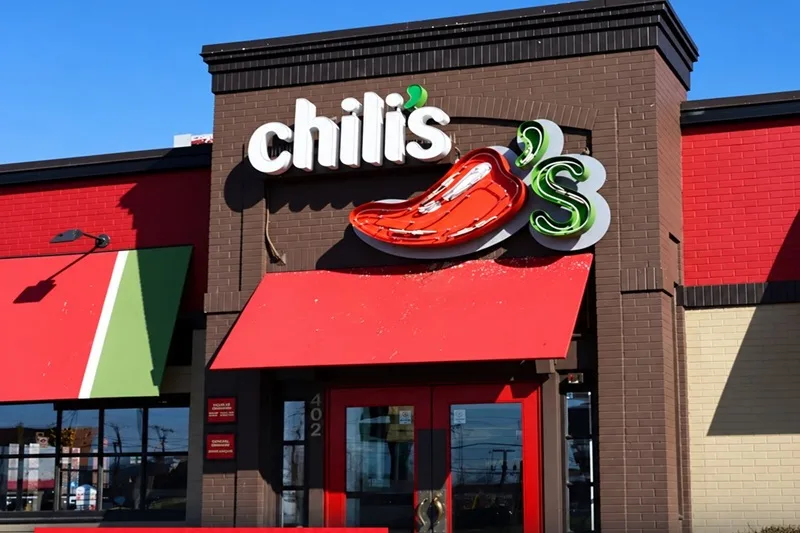
The New York Chili’s lawsuit puts the tip-based pay system on trial. Filed Friday in federal court in Brooklyn, the proposed class action challenges the lower minimum wage for tipped workers in New York and the way Chili’s uses guest scores to shape employee schedules. If the Chili’s tipped wages lawsuit succeeds, it could reignite the national push for tipped wage reform, though the case is at its earliest stage.
Key Highlights on New York Chili’s Lawsuit
- Defendant: Brinker International, which operates Chili’s, did not respond to a request for comment.
- Plaintiffs: Three former employees of a Chili’s in Glendale, Queens.
- Main demand: Strike down New York’s lower wage for tipped workers, which they say fuels sexual and racial harassment.
- Second target: Customer ratings used to set schedules, shifts and table assignments.
- Scale: Brinker runs more than 1,200 Chili’s restaurants, 36 of them in New York; lawyers plan to seek a nationwide class.
- State response: The New York Attorney General’s office had not yet replied.
What the Lawsuit Alleges
The former employees argue that New York’s tip credit laws let Brinker force staff to depend on tips, which exposes them to unlawful discrimination. The complaint says servers are pushed to make guests “feel special,” even when that costs them dignity and safety. The plaintiffs also say they faced routine sexual advances and inappropriate comments, and that managers failed to protect them. These are allegations, not findings, and the company has not publicly answered them.
How Tipped Wage Laws Work
Under US tipped wage laws, employers may pay a reduced base wage as long as tips close the gap. The numbers in the filing’s coverage show how wide that gap can be:
| Rule | Standard minimum (per hour) | Tipped minimum (per hour) |
| New York, outside the city area | $16.00 | $10.70 |
| New York City area | $17.00 | $11.35 |
| Federal | $7.25 | $2.13 |
The federal tipped minimum wage applies in states that set no minimum of their own. Worker advocates have long argued that tips are discretionary and unpredictable, so they should supplement restaurant worker wages, not supply most of them.
The Customer Ratings Claim
The Chili’s customer ratings lawsuit claim is the newer piece of the fight over customer ratings and employee pay. According to the suit, guest scores influence who gets shifts and which tables servers receive, and that practice is unlawful. The plaintiffs say ratings can carry racial bias and can make it hard for servers to refuse unwanted advances for fear of a poor score. The argument links customer feedback to pay and to basic restaurant worker protections.
Why It Could Matter Beyond New York
Most other states follow a similar model, so a ruling against New York’s approach could ripple through restaurant labor regulations elsewhere and revive the wider minimum wage debate. The plaintiffs’ lawyers say they plan to widen the case to cover Chili’s workers across the country. Courts move slowly, however, and the outcome is uncertain. Employers in the hospitality industry, lawmakers and advocates for service worker rights will be watching for signals on tipped employee compensation and employee pay transparency.
What’s Changing Across US Work and Immigration?
1. Could New Paid Leave Benefits Help Families?
Check out the five states introducing new paid family leave benefits and their proposed payment limits.
2. What’s Behind Tesla’s Racial Harassment Lawsuit?
Discover the federal lawsuit against Tesla and the key workplace allegations involved.
3. How Could Title 42’s End Affect Migrants?
Explore New York’s preparations for a potential increase in migrant arrivals after Title 42 expired.
4. Could Tesla’s Union Campaign Change Workplace Rights?
Find out what Tesla workers in New York are seeking through their unionization campaign.
5. Could Judge Removals Reshape Immigration Cases?
Look into the DOJ’s actions involving two judges and the potential implications for deportation and citizenship cases.