
 kritika
(C): X
The Department of Justice has asked to have two Minnesota federal judges recused from immigration cases because of their “comments to the media” that suggest they are not impartial. The request subjects judicial independence of immigration courts and the federal judiciary in general to a new test. It also throws a wrench into the deportation and citizenship process for migrants: what if the judge changes, will the result of their case change as well?
Key Points / Summary of the facts:
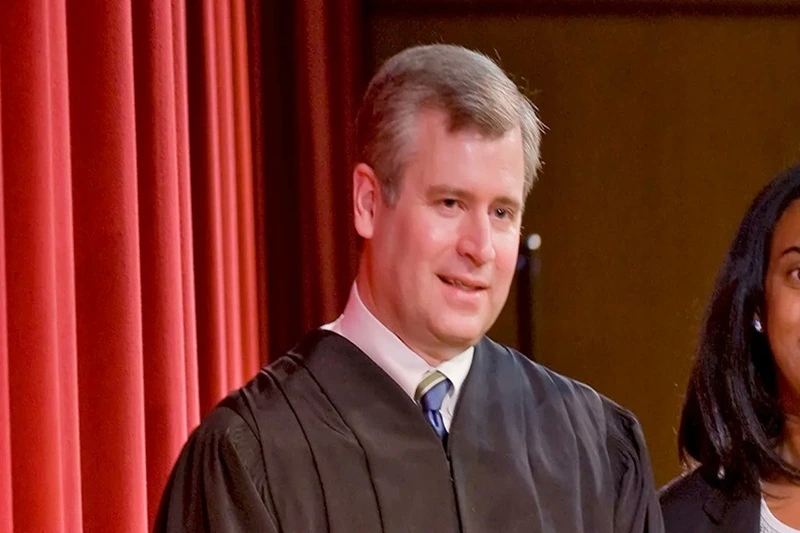
- Who: It was against the backdrop of judges Patrick Schiltz and John Tunheim, both federal judges from Minnesota.
- What: DOJ filed separate motions requesting each judge recuse himself or herself from immigration cases.
- Why: Both were featured in a September New York Times report that looked critically at Operation Metro Surge by the administration.
- Case one: Schiltz is the one in charge of the DOJ’s attempts to revoke the U.S. citizenship of Salah Osman Ahmed, who in 2009 pleaded guilty to some terrorism charges.
- Case two: Tunheim’s prosecution of a South African who is accused of obtaining South African citizenship and illegally voting in the 2024 general election.
- Previous step: DOJ already had a judicial misconduct complaint against the Eighth Circuit.
- Next: If a judge denies, the government could appeal that decision to a panel of judges at the Eighth Circuit.
How the Dispute Began
A massive surge of enforcement action resulted in a large number of filings in Minnesota’s Federal courts under Operation Metro Surge. The Times spoke to seven of the judges about dealing with that workload. Schiltz called the administration’s policy “a serious threat to the rule of law,” and Tunheim theorised agents weren’t primarily arresting “dangerous criminals.”
The report also detailed the ways judges communicated by email thread and the use of a spreadsheet that the clerk created. Every judge has individually decided each petition, Chief Judge Eric Tostrud has said.
DOJ’s Argument
The department states that a judge who has made a public statement concerning the enforcement of any of the department’s priorities is not able to impartially preside over the case. This was highlighted by the associate attorney general of the Justice Department, Stanley Woodward, concerning the efforts to strip citizenship from people, which the department claims is its biggest campaign ever. Charles Stimson, a legal fellow of the Heritage Foundation, described the interviews as unnecessary and stated that he would recuse himself if this was the only issue at stake.
The Judges’ Position
Schiltz has stated he has never had a case to comment on. He said he was upholding the rule of law, which includes complying with court orders, and recusal shouldn’t be based on that. Tunheim has declined to comment. An additional wrinkle is that judges are required to assess their impartiality when they hear recusal motions.
Why It Matters Beyond Minnesota
The immigration process is already a lengthy one, and if someone is reassigned, this delay would further clog up cases where someone’s status and livelihood are at stake. Watch for other challenges, as a precedent here could lead to similar challenges elsewhere, and observers will watch to see if the dispute sparks a shift in judges’ rhetoric when it comes to enforcement policy.
There are also differences in the types of cases. It is a civil denaturalisation effort, and it’s a criminal prosecution. A ruling on recusal will not be the deciding factor on their merits; it will just be a matter of who hears them.
For Migrants & Workers
Uncertainty about the schedule can result in missed shifts and stalled offers of employment and employer hesitation for individuals whose work authorisation is contingent upon a pending case. People in a similar position would need to maintain up-to-date records and consult with an experienced immigration lawyer.
The Bottom Line
Taking a couple of judges off the immigration bench isn’t a rewrite of immigration law, but it could change who decides who’s deported and who qualifies for citizenship in high-profile cases and affect the time it takes. The Eighth Circuit Court of Appeals could end up deciding the issue.
What’s Changing in US Employment and Workplace Rights?
1. Could DOJ Action Change OpenAI Hiring Rules?
Find out what workers should watch as OpenAI hiring rules face potential changes.
2. Did an IT Firm Discriminate Against Workers?
Uncover the DOJ settlement and its implications for domestic workers.
3. Can Instacart Employees Claim Unapplied Job Payments?
Check out what the Instacart settlement could mean for US employees and their pay.
4. Why Is OpenAI UK’s Average Salary Misleading?
Explore why OpenAI’s reported £794,000 average salary may not tell the whole story.
5. Can Fired Federal Employees Win Back Pay?