 kritika
(C): X
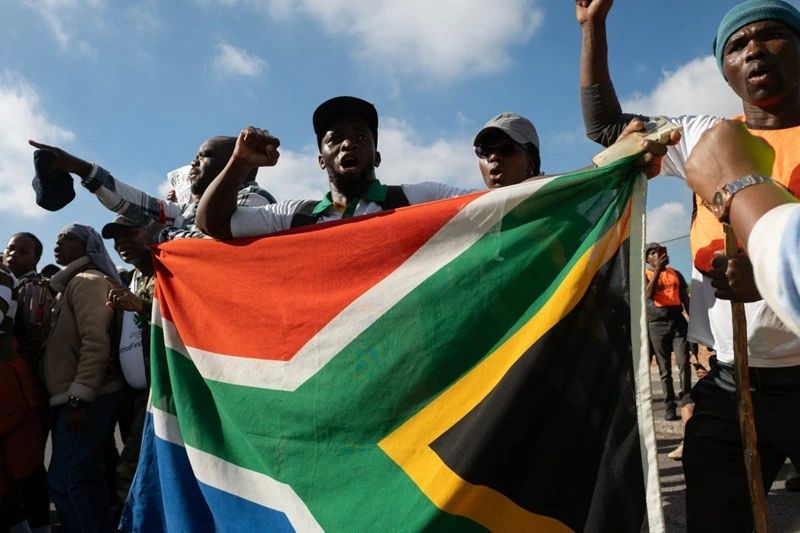
Anti-foreigner violence has come into the spotlight in South Africa yet again after a migrant was killed in Durban. The man, who is thought to be in his late 30s or early 40s, was beaten by a mob of about 50 people and died at the scene, police said. The incident leaves many with a burning question – how safe is it to make a living here? – for those who live and work far from home, and there are millions of them.
Quick Facts on Durban Migrant Killing
- Incident: Foreign national assaulted by about 50 people to death in Durban.
- Sequence: Two men approached the victim along the roadside, before a larger group of men joined the attack.
- Investigation: Cops have declared a murder case, but are yet to establish the motive.
- Context: It comes after months of anti-immigrant protests, including arson attacks on shops and cars in Soweto and Durban that were some of the more violent.
- Government response: Authorities called for peaceful protests, said an immigration reform was needed and that tens of thousands of people have been deported or repatriated this year.
- Out of the region: Zimbabwe, Nigeria and Ghana were all given instructions to repatriate their citizens, while a father of three was shot dead in Cape Town during demonstrations.
- Economy: There is approximately one in three people who are unemployed at any given time.
A Pattern, Not an Isolated Event
Xenophobia has been an issue in South Africa for almost 20 years. Over 60 people died, and thousands of people were displaced in 2008. The current movement started when the March and March sent a deadline to undocumented migrants to leave by 30 June. Protests began to proliferate around that time, and several governments reported attacks against their nationals.
The movement’s leaders have denied being xenophobic and have stated that they have been frustrated for many years. The critics will say that nothing can be justified by mob violence.
What It Means for Workers
South African foreigners face extra danger in their daily lives as they travel to and from their jobs, do business and look for casual jobs. The migrant population in KwaZulu-Natal and elsewhere is engaged in informal jobs such as informal trade, security, hospitality and construction, and is often not well supported by contracts and unions. This makes them targets and non-protectable.
Fear also alters behaviour. Worries about deportation can lead workers to not work out or close stalls early, or to not report abuse. This is detrimental to the rights of migrant workers in practice, even if it is protected by law. But it also disrupts employers, as attacks on foreigners may close workplaces and hamper cross-border multinational teams.
This has an impact on South African workers, too. When things are not going smoothly, businesses, vehicles and supply chains are at risk of being destroyed, and employment is lost along with it. The unrest has little to no effect on jobs, which are a major driver of the unrest, and researchers point out that claims that migrants take jobs or drive crime have been disproved.
The Policy Tension
There’s a balancing act for the government. It has initiated an attack and is willing to consider reform, but at the same time, it must maintain peace and save lives. Embarking on a diplomatic journey could easily become a regional affair, as illustrated in the case of Ghana and Nigeria. Better migrant protection laws, faster prosecution of attackers, and better labour inspection would help restore confidence, observers say.
Why South Africa Still Draws Workers
South Africa, despite its dangers, is one of the prime destinations for people in Africa who want to find work, a safe place, and an opportunity. That pull means that the issue will not go away. The way the nation reacts will affect her labour market, her image and her relations with the rest of Africa.
The Bottom Line
The killing in Durban is a tragedy, but it is also a warning about the dangers of job insecurity, worker safety and the consequences of failing to address social tensions. Legally removing the right to immigration, a severe response to mob violence and honest discussion of joblessness will be required for lasting solutions.
What’s Next for Migrant Workers’ Rights in Africa?
1. Are Lesotho Migrants Safe in South Africa?
Find out why Lesotho migrant workers are seeking protection as protests intensify.
2. Can Climate Mobility Protect Migrants’ Rights?
Uncover why stronger protections are needed for migrants affected by climate change across Africa.
3. Why Are Lesotho Workers Seeking Protection?
Explore the growing concerns facing Lesotho migrant workers amid South Africa’s escalating protests.
4. Are Newcastle Factories Losing Migrant Workers?
Discover how migrant worker departures are affecting factories and industries in Newcastle.
5. Will Farm Women Workers Secure Justice?