 kritika
(C): X
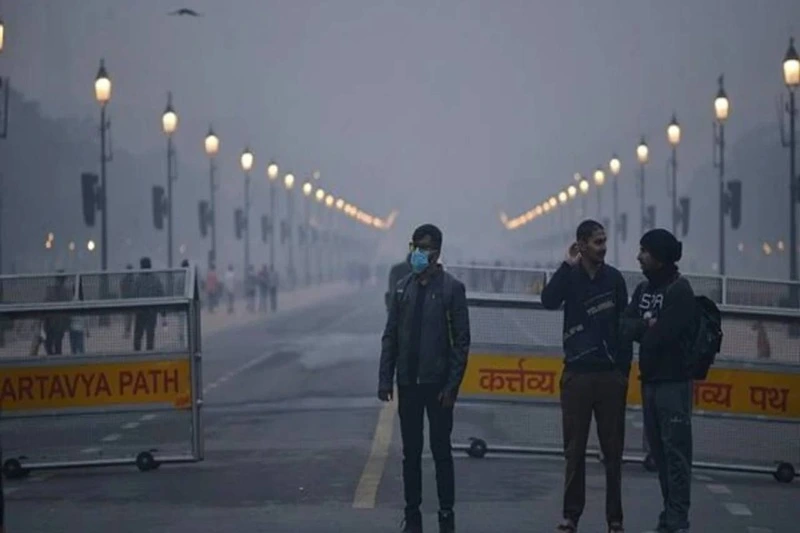
It’s become more expensive to travel to work in the capital. One of the prominently mentioned measures was that of doubling parking fees at most city-owned parking lots after the city’s air quality jumped into the ‘Poor’ category, which is where Delhi was soon classified in the Delhi GRAP 1 rules. For people who commute to work every day, that obviously creates some questions in their minds: And just how much more will it cost to commute now?
Quick Facts
- Trigger: Delhi’s AQI rose from 179 on 20 October to 244 on 21 October 2026.
- GRAP 1 band: “Poor” air quality, AQI 201–300.
- Parking: The price of parking is being doubled at every station except Metro parking.
- Fuel rule: Vehicles without a valid PUC certificate will not be given fuel.
- Metro: DMRC to introduce more trips from 22 October, starting on weekdays.
- Government offices: Staggered hours and work-from-home planned for Delhi government and MCD staff.
- Private companies: No general stay-at-home mandate.
What Is Happening Under GRAP 1?
The Graded Response Action Plan (GRAP) Delhi is a graduated action plan implemented by the Delhi Commission for Air Quality Management and is a reflection of the air quality crisis in the Delhi NCR region. When the AQI is in this range (201 – 300), it is called Stage 1 and the forecast says the “Poor” condition may last for days Inside the list of Delhi air pollution measures are dust control, stricter vehicle inspections, and restrictions on outdoor construction activities, as well as a ban on open burning.
Will Parking Fees Really Hit Your Pocket?
The hike in Delhi parking fees will affect private car users the most, who park their cars for the full day. This line is likely to get longer if your monthly Delhi office parking fee was already a cost. New Delhi NCR parking rates for the announcement are not mentioned, which means the hike depends on the parking rates prior to the announcement. If the daily fee doubles, it will double your monthly charge.
Metro parking is free, and that slyly encourages commuters to get on the train.
Other Costs to Watch
- PUC compliance: Paperwork for PUC is needed to ensure your car doesn’t run out of fuel, so it’s becoming a practical requirement.
- Public transport: The introduction of more trips per day on the Metro should help to reduce the number of people on the trains during the working week, although there are no details about the frequencies for this service.
- Traffic management: AI system to reduce vehicle emissions on high-traffic streets.
All these measures can help to change your budget on employee transportation and contribute to the increasing cost of business travel in the Indian Capital.
What About Work From Home?
This is where the employees need to be cautious. The staggered hours and remote working are scheduled for government and municipal offices only. The private-sector staff is not to take it upon themselves that attendance rules will be altered by GRAP 1. Any changes in the routine will rely on individual employers, so be sure to ask your HR team before trying anything new.
How to Keep Costs Down
Take the Metro on expensive parking days, carpool with coworkers and inquire about flexible hours with HR.
FAQs
Is there any need for private workers to work from home as per GRAP 1?
No. These are the arrangements that have been announced for the Government and MCD offices only.
Will there be a fee hike for parking at Metro?
No. They are excluded.
How long will the restrictions last?
That will depend on future air-quality evaluations; if air quality conditions deteriorate, stiffer stages may follow.
Bottom Line
GRAP rules affect workers primarily financially, with private-sector workers having to pay more for parking and undergo more stringent vehicle checks. Piloting the course, using public transport when it’s appropriate, and ensuring that documents are up to date can ease the impact in the meanwhile Delhi air quality is being monitored.
Delhi’s Latest Updates You Shouldn’t Miss
1. Will Delhi’s Pollution Rules Change Work?
Find out how the 2026 winter pollution plan could affect employees and work-from-home arrangements.
2. Could Delhi’s Fire Case Expose Labour Risks?
Explore how the case raises concerns about workplace safety and new labour laws.
3. Could Mosquito Checker Strikes Threaten Public Health?
Discover how the strike in Delhi may affect mosquito control and residents’ safety.
4. Why Do Manipur Refugees Feel Afraid?
Read about the challenges and fears faced by Manipur refugees living in Delhi.
5. How Did The MCD Truck Crash?
Find out about the tragic Delhi accident involving three labourers and a four-year-old child.