 kritika
(C): x
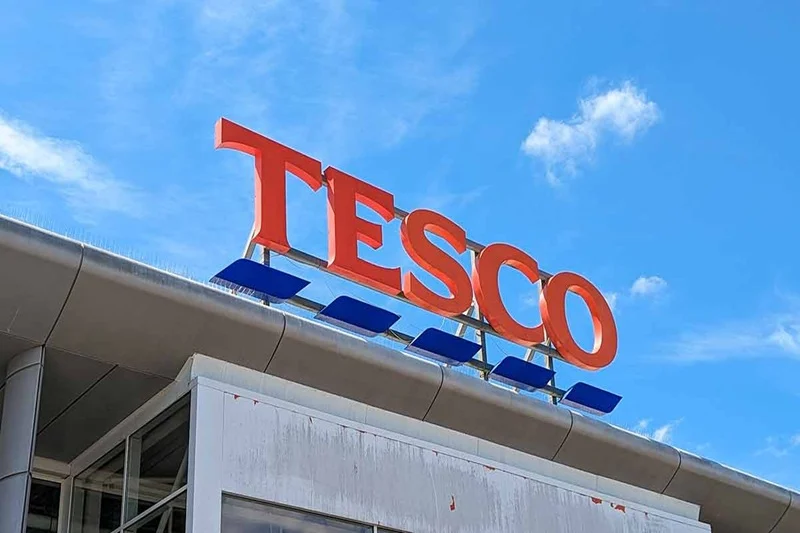
The Tesco equal pay case has come to an impasse. Over 16,000 Tesco workers are now one step closer to a full trial, with the UK’s highest court denying the supermarket permission to challenge a key ruling. This Supreme Court judgment does not resolve the issue of who is right, but it removes a significant hurdle for shop workers who allege they work as much as distribution centre workers but earn less.
Quick Facts
- Location: 16,000+ Tesco Retail Stores (Primarily Women)
- The accusation: The wages paid in stores are less than the wages paid to mostly male warehouse workers.
- Latest development: The Supreme Court has refused Tesco’s appeal in the latest development in the case.
- Leadership: Harcus Parker and Leigh Day (law firms), 2018
- Bigger fight: up to £4bn of claims against Asda, Next, Sainsbury’s, Morrisons and the Co-op are reportedly being made as well.
- What comes next: following the tribunal’s approach to the definition of the word “work”
What the Supreme Court Decision Means for Tesco Workers
The retailer’s last-ditch effort to halt the Employment Tribunal route with its preferred method was through the courts. The Tesco equal pay case is now progressing and the Tesco workers’ legal action is continuing, with that door now closed. Leigh Day’s Kiran Daurka described it as a “very positive result for the employees that we represent at Leigh Day”.
How the Tesco Pay Dispute Began
The Tesco equal pay claim was brought by claimant-focused law firms in 2018. The main claim: Working in a store job (with women filling the majority of positions in them) is less valuable than working in a warehouse job (with men filling the majority of positions in them), despite the similarity between the jobs. Under UK equal pay legislation, employees are able to request a tribunal to compare the roles of two employees with the same value.
Why the Definition of “Work” Matters
The heart of the issue is the definition of the employees’ work by the tribunal. It decided against using specific daily tasks and instead used generic training documents. Tesco challenged this decision in various courts. Both the Employment Appeal Tribunal and the Court of Appeal agreed in part with Tesco, but rejected its primary argument that the overall methodology should have been rejected. This is why the employment tribunal process against Tesco and even the Tesco equal pay case can now proceed.
Tesco’s Response
But Tesco says that the differences in pay for Tesco staff are due to the fact that the roles in store and distribution centres are not the same and have different skills and demands. A spokesman stated that it is not a gender issue. It states that it will pay its employees equitably and not stop protecting the claims.
Next’s Win: What It Signals for Retail Workers Equal Pay
Next’s own case was heard last month, and they too won. A court in 2024 ruled the retailer had not provided evidence that the lower hourly pay for predominantly female sales consultants was not sex discrimination, and it had been ordered to pay £30m. The EAT disagreed, citing recruitment and retention issues which are not faced by sales workers. The lesson for the retail workers is that the equal pay claim is clear: it is not a done deal for every employer; outcomes vary from employer to employer.
What Happens Next
The Tesco equal pay claim is now ready for trial in the tribunal as it is already put together in the same way. In the UK, equal pay claims are likely to be very large in the supermarket industry if they are successful. The result could influence the future of the legal rights of supermarket staff. The 16,000 people involved wait on and on, but the road to a hearing is clearer.
Workers’ Rights, Pay Cuts and Job Security
1. Could Retail Job Cuts Affect Your Future?
Find out what workers can do when facing redundancy amid major UK high-street job cuts.
2. Why Is Asda Cutting Drivers’ Pay?
Uncover how the proposed 12% pay cut could affect delivery drivers despite ongoing staff shortages.
3. Are UK Farm Jobs Worth the Cost?
Explore the challenges faced by Indonesian workers paying hefty deposits to secure UK farm jobs.
4. Is Uzbek Cotton Finally Free From Exploitation?
Discover how Uzbekistan is addressing concerns about child labour and forced labour in cotton production.
5. Why Are Fashion Workers Denied Fair Wages?
Learn how alleged wage theft in India’s fashion industry leaves workers struggling to meet basic needs.