
 kritika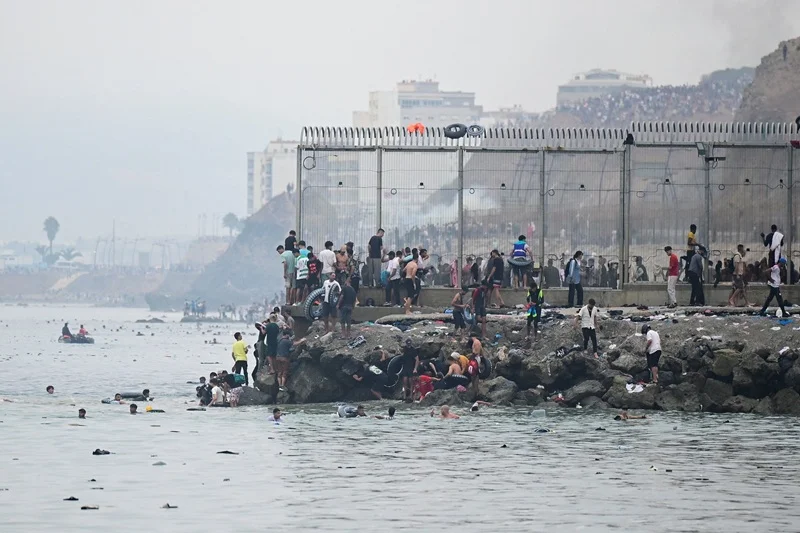
Europe is facing one of the biggest policy challenges it has faced for decades. Governments across the continent are trying to curb irregular migration with tougher border controls and also cope with increasing labour shortages hitting major industries. These two objectives are increasingly converging, and migration policy is one of the most hotly debated issues in the European Union. At the same time, demographic shifts, ageing populations and falling birth rates are creating labour shortages that cannot easily be met through domestic labour alone.
The Shortfall Of Workers In Europe
Over the last few decades, the population composition of Europe has undergone significant changes. Birth rates have fallen, and life expectancy has risen in many of the member states. As a consequence, the proportion of the population that is older keeps growing, leading to pressures on labour markets and public welfare systems.
Older workers are retiring faster than younger workers are being hired. Without more workers, businesses are less productive and economic growth is slower.
Irregular Migration On The Rise
Alongside labour shortages, Europe has continued to see irregular migration through a number of external routes. Many migrants undertake dangerous crossings of the Mediterranean Sea or land borders in the hope of reaching the member states of the European Union.
Migration to Europe continues to be driven by conflicts, political instability, economic hardship, environmental pressures and limited employment opportunities in countries of origin. Criminal smuggling organisations often take advantage of these conditions to help people cross borders illegally.
The Eu Migration And Asylum Pact
The European Union introduced the pact on migration and asylum to promote a more coordinated approach to migration management among member states. The framework aims at increasing coherence, while strengthening external border procedures. New measures include mandatory screening of all new arrivals, faster security and identity checks, faster asylum procedures and quicker returns for those whose claims are unsuccessful.
Security Priorities Drive Migration Policy
For many European governments, border security remains a central priority. Good border management is a key tool in the fight against human trafficking, organised crime, document fraud and illicit smuggling, they say. Better biometric registration, identity verification, intelligence sharing and digital border technologies are all becoming increasingly important parts of migration management.
Migrant Workers In The Economy Dependency
Despite tighter border controls, European economies remain heavily dependent on foreign workers. Agriculture depends on seasonal workers during harvest times. We need more doctors, nurses and health care assistants in hospitals. Infrastructure works require construction companies to hire skilled labour, and hospitality businesses rely on international workers during peak tourism seasons.
The Challenge Of Legal Migration Routes
Many experts say establishing legal channels for migration could help reduce irregular migration, while boosting the economy. But many practical problems arise in the creation of effective legal systems.
Visa application processes are often long and administratively complex. Different countries recognise foreign professional qualifications with varying degrees of delay in employment opportunities for skilled workers.
Political Divisions In Europe
The issue of migration remains a hot political potato across Europe. Migration management priorities differ from one government to another, depending on national circumstances and public opinion. Some governments are emphasising stricter border enforcement, more rapid deportations and a reduction in irregular arrivals. Others call for increased humanitarian protections and expanded legal migration pathways.
Other Integration Problems Than Border Control
Migration management is not border enforcement alone. Successful long-term integration depends on investment in education, housing, healthcare, language training and employment support. As new residents move into local communities, much of the responsibility often falls on municipal governments. Schools, healthcare providers and public services must change to meet changing population needs
The “Pull Factor” Discussion
One of the most hotly debated issues is whether expanding legal migration opportunities would inadvertently incentivise further irregular migration. Some policymakers say generous immigration systems could encourage more people to undertake unauthorised journeys.
Some counter that limited legal options to migrate bolster criminal smuggling networks by providing few legal options for workers seeking to work abroad. At the core of the debate around migration in Europe remains the balance between deterrence and opportunity.
Demographic Pressures Over The Long Term
Demographic projections suggest that labour shortages will continue to pose a challenge for many European countries in the coming decades. Population ageing will lead to increased need for healthcare, elderly care and social services and a decreased number of working-age citizens.
Many economies may continue to need international workers to sustain growth, unless productivity rises significantly or workforce participation increases substantially. Governments therefore need to take long-term decisions on workforce planning as well as managing migration.
Security And Economic Needs: A Balancing Act
Europe’s migration debate has shifted further towards a pragmatic balancing act of border security and economic need. Striking the right balance between these objectives will probably remain one of the defining policy challenges for Europe for years to come.
Stay updated on Europe’s migration changes.
Why Does Policy Consistency Matter?
Find why unified migration rules are gaining attention.
Border Security or Free Movement?
Explore the debate shaping Europe’s migration future.
Why Risk Dangerous Channel Crossings?
Uncover why migrants still attempt the journey.
Will Boat Migration Impact Jobs?
See how migration could influence the UK workforce.
What’s Changing in UK Migration?
Check out the new border and legal work plans.





Recent Comments