
 The Workers Rights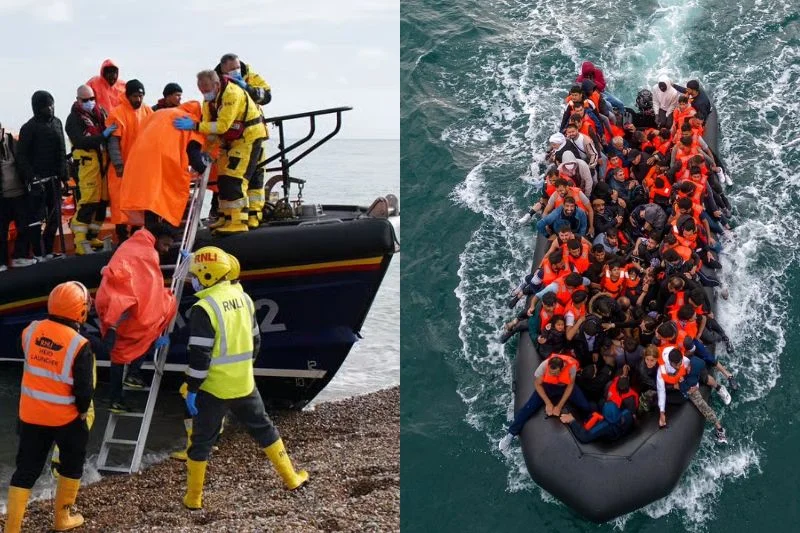
This week, four migrants lost their lives on two different attempts to cross the Channel, one boat capsizing off the northwest French coast and the other sinking off Dunkirk. This year’s death toll in the Channel, which is at least 16, is part of a broader trend of illegal Channel crossings in the UK, which appear to be continuing despite the risk of death. There are still migrants boarding overcrowded inflatable boats, legal routes are still limited, smuggling networks are well organised, and for many migrants the risk of boarding a smuggler’s flattop boat is far outweighed by the prospect of asylum or employment in Britain.
Quick Facts: Channel Crossings and UK Illegal Migration
- Latest deaths: New deaths are reported as 4 migrants lost their lives in 2 incidents in one day.
- 2026 death toll so far: 16 lives have been lost in the Channel route.
- 2025 comparison: The number of fatalities for the entire year in 2025 is at least 29.
- Common method: Overcrowded inflatable “small boats”, offshore “taxi boats”.
- Most heavily used shipping route: The Channel is one of the busiest shipping routes in the world.
- Rescue response: Coastal patrols, navy helicopters and lifeboats are frequently deployed.
Why Do People Still Risk the Crossing?
The Channel is the last, most desperate part of a long migration for many migrants, and this is why illegal migration continues in the UK. Few safe and legal paths to migration are available, and individuals join in smuggling networks offering a quick route to Britain. Word of mouth from relatives already in the UK, along with the language and existing communities in the UK, make it a popular destination over other countries in Europe. Despite the sea remaining calm, things can change rapidly, and boats can capsize or take on water well offshore.
The Human and Political Cost
Each death at a crossing puts pressure on UK border security and the French coastguard to break up smuggling rings. However, the arrest of the smugglers doesn’t seem to deter the illegal migration of people to the UK for long, as new operators soon replace them. If they make it across, migrants continue to add to the uncertainty of their journey as they enter the UK’s asylum system, where waiting times can stretch for months.
Legal Migration v Channel Crossings
| Factor | Legal Migration Routes | Illegal Channel Crossings |
| Safety | Regulated, monitored | Life-threatening risk of hazard, perils, or danger. |
| Speed | Often slow, bureaucratic | Faster but unpredictable |
| Cost | Visa fees, documentation | Many thousands were paid to the smugglers. |
| The legality of the arrival. | Documented | Must claim asylum |
| Availability | Limited quotas | They are available through smuggling networks. |
FAQs
What makes the English Channel unsafe for migrants?
One of the world’s most heavily trafficked shipping lanes, it is a place of strong currents, cold water and heavy vessel traffic, which makes small, overcrowded boats particularly vulnerable.
How many have died crossing the Channel?
As of this week, at least 16, as opposed to at least 29 last year.
Why don’t migrants take legal migration routes instead?
For those trying to escape war or deprivation, legal options can be scarce, delayed, or blocked, driving many to be involved in smuggling networks.
How do migrants fare once they come to the UK?
The majority of them are processed in the UK asylum system, and their fate and the time it takes to process cases are inconsistent.
Does the number of illegal migrants to the UK rise or fall?
While numbers vary depending on weather and enforcement, small boat crossings have been a regular occurrence across the Channel in recent years.
More UK worker updates await.
Will Care Workers Get Exemptions?
Check out the latest settlement rule updates.
What Changes Start From Day One?
Find the new workplace rights in minutes.
Can Pay Laws Raise Salaries?
Uncover how transparency could boost earnings.
Can Small Firms Sponsor Workers?
Browse the latest Skilled Worker Visa rules.
Why Is This NHS Trust Questioned?
Look into the ruling behind the headlines.






Recent Comments