 kritika
(C): X
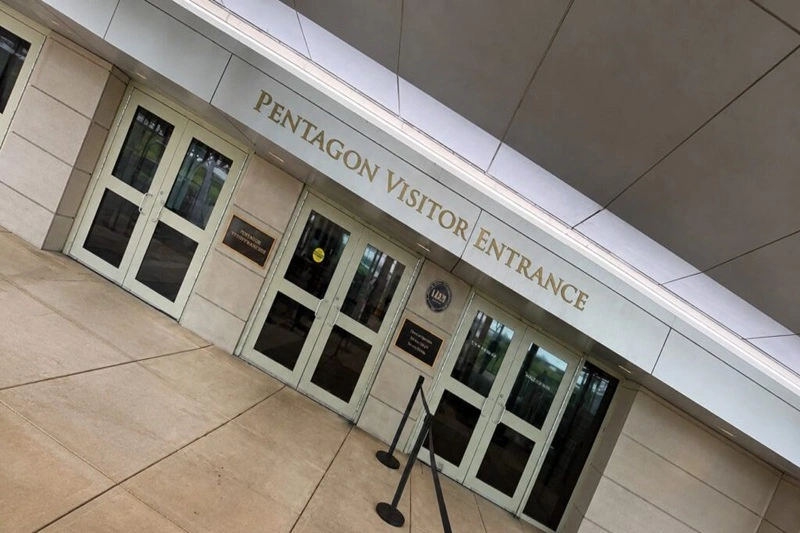
Grocery store freezers going bad on base is a minor issue, until it’s a military base. The search for the cause of this attack on the Pentagon has begun and is now investigating whether the breakdowns in refrigeration at several US commissaries were caused by a hack in August. The answer for the cashiers, stockers, butchers and managers who have to deal with these stores is more than just spoiled food.
Quick Facts
- Who’s investigating: The Defence Criminal Investigative Service is conducting the investigation in conjunction with investigators, and the failure is being viewed as a potential cyberattack.
- In which month: August 2020.
- County: Over six facilities such as Fort Irwin, Holloman AFB, Naval Station Newport, Little Rock AFB, F.E. Warren AFB, Robins AFB and Fort Huachuca.
- The French connection: French supermarkets, such as Carrefour, Monoprix and Intermarché outlets, had their freezer temperatures pushed up over 122°F.
- Proof so far: None. It is not known whether the two events are related, and no hack has been found.
- Why it matters: Commissaries provide food for military families for about 25% less than civilian prices.
Pentagon Cyberattack Investigation: What Went Wrong in Commissary Refrigeration
Officials have not commented on details, as the investigation into the Pentagon cyberattack is a law enforcement investigation. Investigators are thinking the same thing: The same sort of failure on the same sort of target occurred in roughly two months. Coincidence is enough to make it a good guess for security academics that they should hear no scepticism.
In France, the hack was traced back to Internet-connected refrigeration controllers with outdated software. One weakness can be replicated at multiple sites if the equipment used by commercial chains is similar. In total, two French supermarkets alone reported losses of stock valued at approximately €270,000, and spoiled food can never be recovered.
How Cyberattacks Affect Military Base Employees
This is the angle that most coverage skips over. A poorly designed hacked freezer is not a supply issue. It’s a problem in the workplace.
Immediate disruption. If electricity is out, the staff have to throw out any stock and refill the aisles. Changes are rearranged, and additional hours are unpaid and/or not agreed upon.
Safety exposure. Fires were reportedly caused by the French attacks. People working in the building are the first to be notified about overheating of the equipment.
Job security questions. No evidence that the failures have led to a reduction in the number of commissary jobs. Nevertheless, repeated disruptions in military base operations can strain budgets, and civilian staff typically are the first to see budget cuts. This is a risk, not a guarantee.
Wider Security Implications
As more appliances become Internet-enabled, many times, security is an afterthought, placing them at risk of critical infrastructure cyberattacks, experts say. Small systems such as cold storage are as vital to defence infrastructure cybersecurity as are weapon networks because everything the military does involves food and logistics. Such are the types of weaknesses a defence network might have that adversaries could exploit.
What Base Workers Can Do Now
- If an alarm is triggered indicating a temperature that is unusual or equipment is acting unusually, report it right away.
- Check with supervisors to ensure that refrigeration controllers have been updated and taken away from public internet connection.
- Complete any cybersecurity awareness training offered to federal employees.
The Bottom Line
The investigation into the Pentagon hack could be a technical error, and not a malicious breach of security. In any case, it demonstrates the fragility of normal systems. Without the investigators’ word, consider the Pentagon computer hacking incident a wake-up call for employees to ask questions about safety and security at work, rather than fearing for their position.
Explore the Latest Global News and Human Rights Developments
1. Why Did Pentagon Reject the Migrant Bus Request?
Find out why the Pentagon denied assistance with migrant buses heading to Washington.
2. Are Japan Cyberattacks Putting Employee Data at Risk?
Uncover the growing workplace security concerns surrounding employees’ personal records in Japan.
3. How Did Cyberattacks Target Amnesty Canada?
Explore the China-linked cyberattack and its implications for digital security and human rights.
4. Can Japan’s ¥5.5 Billion Attract More Workers?
Discover how Japan plans to attract foreign workers through its latest funding initiative.
5. Can National Cyber Policies Protect Human Rights?
Look into calls for human rights-friendly cybersecurity policies and stronger digital protections.