 kritika
(C): X
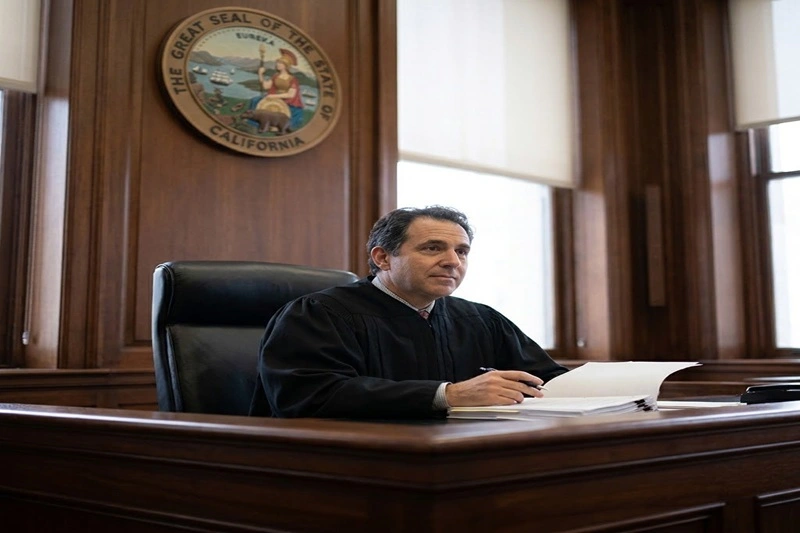
California voters head to the polls on Tuesday, 3 November, and two names near the bottom of the ballot are easy to skip. Both Justice Joshua Groban and Justice Kelli Evans are up for retention in the California Supreme Court. It appears it’s a yes-or-no box, but the court’s decisions can affect your daily routine, ranging from paychecks to terminations.
Quick Facts
- Date: Tuesday, 3 November 2026
- Who’s on the ballot: Associate Justices Joshua Groban and Kelli Evans
- Opponents: None. Voters only vote yes or no for each justice
- Yes wins: the judge is then appointed again for 12 years.
- No winner: Seat is vacant, and the governor appoints someone else
- Groban’s background: Appointed by Gov. Jerry Brown in 2018, previously a private-practice attorney in the areas of antitrust and intellectual property with the Brown law firm, and served as an adviser to Gov. Brown during his tenure.
How the Retention Vote Works
If the sitting justice is retained, that’s what the retention vote is used for. Nobody’s against the one in California. A judge is elected at the first election of the governor after he or she assumes office, and at the end of a 12-year term. The judges remain if a majority votes yes; they are set aside if a majority votes no.
Why Workers Should Care
The court hears big, unresolved questions of state law – and a lot of those questions are related to the workplace. That’s what makes the Joshua Groban judicial retention election more than just a political proposition: This California Supreme Court retention vote will impact how far workers’ rights go in California when the laws are ambiguous. The interpretations provide guidance to employers, human resources (HR) professionals and employees on California labour law protections.
Where Workplace Disputes End Up
Very few cases of job disagreements ever make it to the top court. If there is an actual legal question that is open, the Justices decide. States may have a role to play in the following:
- Pay: wage and hour issues – overtime, breaks and unpaid time
- Fairness: Workplace Discrimination & Workplace Harassment Claims
- Exits: Wrongful termination lawsuits following a termination or a layoff
- Individual action: employee rights action on behalf of herself/himself
In time, this type of employment case decision made by the California labour courts can guide the path of employment cases that California employees file, and influence the nature of employment litigation throughout the state of California.
What the Vote Does and Doesn’t Decide
Be realistic. This cycle, only a criminal cases campaign against Evans, organised by a police union, has been reported, and there’s no organised campaign against Groban. The last time California jurists were voted out of office was in 1986, when a case involving the death penalty was up for a vote. So, one California Supreme Court retention vote will not overturn the changes in California employment law overnight.
Most of the rules are promulgated by the legislature, and labour law enforcement is done by agencies. However, the connections between judicial retention and judicial employment are so strong that when employees and employers come into conflict, judicial employment laws guide judicial retention.
What Workers Can Do Before Tuesday
- Look for the “Retain” column in your ballot, which will usually be at the end.
- Read an impartial (neutral) voter’s guide about each judge.
- Research California Supreme Court cases on issues of employment.
- If you’re in a current controversy, keep in mind that worker protection laws California provides are enforced independently.
Your vote will not resolve any single case, but will have an effect on workers’ rights over time, one interpretation at a time – and that’s retention, where the voters have a voice. This California Supreme Court retention vote should be marked for all those involved in employment issues in California, or wishing to get better protection for employees.
What’s Changing in US Workplace Rights and Federal Employment?
1. Could Michigan’s New Law Strengthen Workers’ Rights?
Check out the proposed legislation and how it could affect workplace protections in Michigan.
2. Can Fired FBI Employees Win Their Jobs Back?
Find out how wrongful termination lawsuits could help federal employees seek reinstatement and back pay.
3. Could Judge Removals Affect Immigration Cases?
Uncover how DOJ actions involving two judges could impact deportation and citizenship proceedings.
4. Can Employers Legally Deny Bathroom Breaks?
Look into the HelloFresh lawsuit and the workplace concerns surrounding employees’ bathroom access.
5. Could New Rules Make Federal Firings Easier?
Discover how Trump’s civil service order could change federal employee protections and job security.