 kritika
(C): X
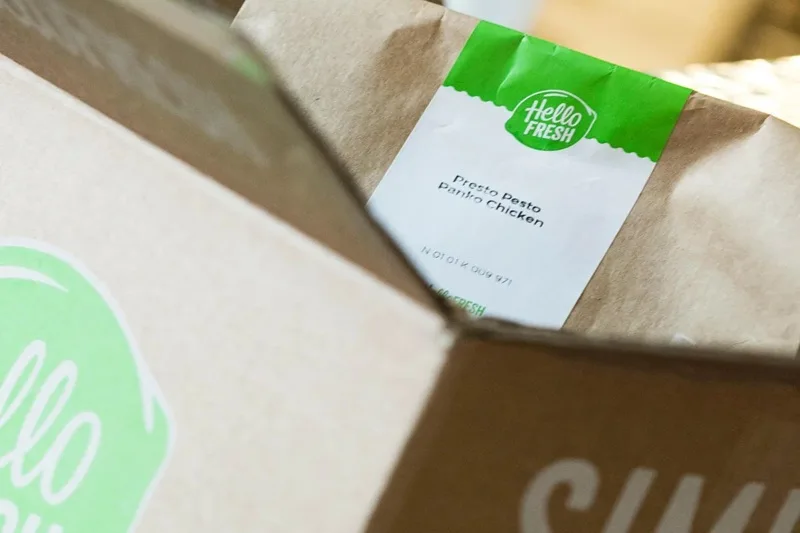
Do employers have to put their workers’ needs on hold, even if they have a pressing medical concern, in the US? The proposed amended class action against HelloFresh has raised this issue, as former employees claim that the company’s policies and practices prevented them from using the restroom and caused workplace abuse and discrimination in one Newark, N.J. location. HelloFresh has responded to the allegations, saying they’re “entirely without merit.
The case is a reminder that employee bathroom rights and workplace dignity are concerns, as well as whether the rights of temporary (i.e. non-permanent) workers are equal to those of directly hired workers.
Key Highlights
| Detail | Information |
| Company | HelloFresh |
| Location | Newark, New Jersey |
| Main allegations | Access to bathroom facilities is limited; discrimination/abuse in the workplace |
| Workers involved | The suit alleges that the workers are mostly Hispanic, and they work in a temporary capacity. |
| Company response | HelloFresh denies the allegations |
| Legal status | A proposed amended complaint pending review by the court. |
Can Employers Deny Bathroom Breaks in the US?
The U.S. workplace bathroom laws typically mandate that employers that are subject to federal occupational safety regulations must give their workers timely access to toilet facilities. Employers may not make unreasonable restrictions on the use of restrooms, and may not force employees into long wait times when they need to use the bathroom, according to the Occupational Safety and Health Administration (OSHA).
This does not mean there is any excuse for businesses to put in place reasonable measures in the workplace, but bathroom policies cannot ignore employees’ health and safety concerns. These specific requirements vary depending on the situation and the federal and state laws that govern.
The lawsuit over HelloFresh has brought to the fore again the question of how these rules are implemented in a busy production plant, where staff might be under pressure to meet production quotas.
What HelloFresh Workers Allegedly Experienced
The proposed amended complaint alleges that there was a sign-out system for the bathroom at the Newark facility that Hispanic temporary workers had to adhere to. Supervisors allegedly observed the time out of production lines, and non-Hispanic workers were allegedly given more flexibility.
Former temp employee and plaintiff in the case Luis Penafiel told The Guardian that he had to “hold it for hours” when he had to go to the bathroom because he was afraid he would be penalised. He claimed that this caused him urinary health issues that needed treatment.
Supervisors also allegedly threatened and intimidated employees into limiting the use of restrooms, the complaint states. In some cases, workers reportedly were required to work despite urinating on themselves.
Discrimination and Workplace Abuse Claims
The lawsuit goes on to cover bathroom breaks. Plaintiffs claim that Hispanic employees received racially discriminatory comments and were treated differently from their non-Hispanic counterparts, and were given more difficult jobs. The grievance also contains accusations of physical abuse, sexual harassment and threats from immigration officials.
The workers say this was especially true of temporary workers, who relied on staffing agencies to get work and were afraid of being retaliated against for complaining.
Plaintiff lawyers have questioned who is responsible for the alleged responsibility sharing between HelloFresh and the staffing firms. When reporting on their experience, workers reported that they were having a difficult time getting actionable responses.
HelloFresh has denied all the claims, saying it has investigated the matter internally and the allegations are untrue. The agencies sued are also seeking to dismiss claims against them.
What Workers Should Know About Bathroom Rights
Staff members with concerns about access to the restrooms should be familiar with their workplace policies and OSHA requirements. If a worker feels he or she is not being treated fairly, a record of the event must be made, and either the worker should keep a copy of the communications or ask OSHA or his or her state labour authorities for advice.
Employees who feel they were discriminated against or retaliated against also may want to speak with the Equal Employment Opportunity Commission (EEOC), a state civil rights agency, or an employment lawyer.
Temporary employees cannot expect to have fewer protections within the workplace since they are employed by staffing agencies. Legal responsibility would depend on the facts and law, and the company may be any of the following:
What Happens after HelloFresh Lawsuit ?
The amended complaint, if approved, will be heard in court on October 23, 2026. The outcome of this case can give some insight into the allegations and responsibility of these companies, but it remains a case pending resolution.
The question for all American workers is quite clear. Access to a clean restroom at work is a matter of health and safety. Since these allegations have yet to go through the legal process, the HelloFresh case highlights the impact of restrictive policies in the workplace, particularly those workers who may not have the same security at work.
Know Your Workplace Rights and Legal Options
1. Can Workplace Depression Qualify for Disability Protection?
2. Can Detained Hyundai Workers Claim US Compensation?
3. Which Movies Reveal Workplace Harassment and Rights?
Browse five movies that explore workplace harassment, employee rights, and the fight for justice.
4. Can Fired Federal Employees Win Their Jobs Back?
5. Can Medical Leave Protect Workers From Layoffs?
Look into the Meta AI layoff lawsuit and the workplace rights of employees on medical leave.