
 The Workers Rights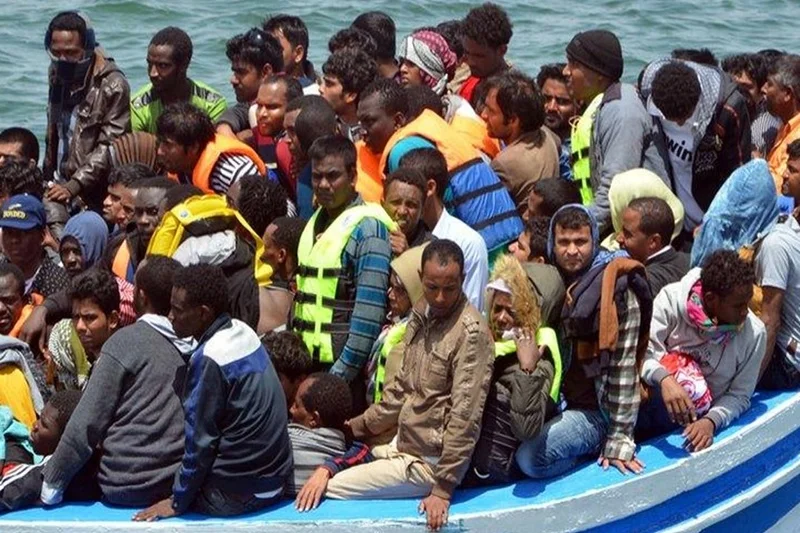
Europe is in the midst of one of the biggest changes in its approach to migration in years. The EU’s Migration and Asylum Pact and renewed migratory pressures on a number of external borders have sharpened the debate over how the bloc should reconcile humanitarian obligations with border security.
The argument is more than just about immigration policy. It now includes questions of national sovereignty, free movement within the Union, labour markets, security cooperation and the long-term survival of the Schengen Area. Many governments claim that tougher external borders are needed to keep public confidence, but others caution that greater restrictions could chip away at Europe’s long-standing commitment to protecting asylum seekers and guaranteeing free movement between member states.
The European Migration Debate Moves To Border Control
Migration has been a defining political issue across Europe for more than a decade, but recent developments have shifted the focus from the response of separate national policies to the implementation of common rules.
The European Union’s Migration and Asylum Pact came into full force in June 2026, bringing with it a new framework designed to ensure greater consistency across its member states. The aim is to enhance border management while ensuring that asylum procedures are conducted on the basis of common standards.
European policymakers say previous systems put disproportionate pressure on countries on the Union’s external borders. The new framework aims to spread the burden more evenly and boost cooperation between national authorities.
The New Eu Migration And Asylum Pact Introduces Major Changes
One big reform is the obligation to check people at external borders. Those arriving irregularly are subject to health checks, security checks, identity verification and biometric registration before they can enter the formal asylum process.
The framework also includes faster border procedures for asylum seekers who statistically have less chance of being granted international protection. Such cases could be dealt with in shorter timeframes provided certain legal safeguards.
Another important feature is the burden sharing between the member states. Governments can help by providing funds, operational support or by accepting relocated asylum seekers depending on the arrangements agreed, rather than simply using relocation quotas.
Ceuta Crisis Fuels Political Debate Across Europe
The incident put pressure on local authorities in charge of border management, emergency accommodation, healthcare and public security. European governments rapidly started to look at the wider implications for migration policy in the Union.
The level of the inflow has rekindled demands by some political leaders for tighter border controls and greater security measures at Europe’s external frontiers.
At the same time, humanitarian organisations highlighted the need to ensure that emergency responses remain respectful of international refugee law and human rights obligations.
Political Pressure On Schengen Free Movement Is Rising Again
The Schengen Area, one of the most important achievements in Europe, allows people to travel without passports between signatory countries, promoting economic integration and free movement of people.
However, migration pressures have led some governments to reintroduce internal border checks for limited periods under exceptional circumstances; these measures have sparked a renewed debate on the future functioning of Schengen.
Migration Remains A Divisive Issue In European Politics
Conservative and right-of-centre parties tend to favour more restrictive immigration controls, wider deportation processes and strengthened external border security. Good migration management is often cited as a means to boost public security and maintain faith in the rule of law in immigration systems.
Progressive parties and humanitarian organisations tend to focus more on the protection of refugees, human rights, and fair access to asylum procedures. They say that the humanitarian duties are still at the heart of Europe’s international obligations.
It is a balancing act that centrist governments often try to achieve, supporting stronger border control but also protecting those who are genuinely fleeing persecution or war.
The Core Challenge: Reconciling Humanitarian Responsibilities And Security
Europe’s governments are increasingly recognising that migration policy must reckon with operational realities and humanitarian obligations.
Better external border management might increase administrative efficiency and help counteract irregular migration, but asylum systems must still be capable of ensuring individual assessment of protection claims. At the same time, governments have legitimate duties to secure borders, combat human trafficking, confirm identities and protect the public.
Achieving this balance necessitates well-trained border authorities, transparent legal procedures, independent judicial supervision and effective international cooperation with neighbouring countries.
Long-term solutions must also consider the wider drivers of migration, such as armed conflict, political instability, economic hardship, and climate-related displacement affecting several regions of the world.
Europe’s Migration Policy Enters A Defining Moment
The implementation of the EU Migration and Asylum Pact is the beginning of a new phase, not the end of the migration debate in Europe. The years to come will show whether common rules can improve border management and uphold humanitarian principles and the integrity of the Schengen Area.
Recent events, such as the influx of migrants into Ceuta and the renewed debate on internal border controls, show that migration remains closely tied to the broader issues of security, economic integration and political cooperation across Europe.
More migration stories worth reading.
Why Risk The Channel Crossing?
Check out why migrants keep making the dangerous journey.
Is Europe Turning Away Refugees?
Find how migration policies are changing across Europe.
How Immigration Shapes European Politics?
Uncover immigration’s growing impact on political decisions.
Can EU Curb Tunisia Migration?
Browse the latest plans to manage rising migration flows.
Why Are Borders Closing Faster?
See why anti-migration measures are expanding across Europe.





Recent Comments