abi sri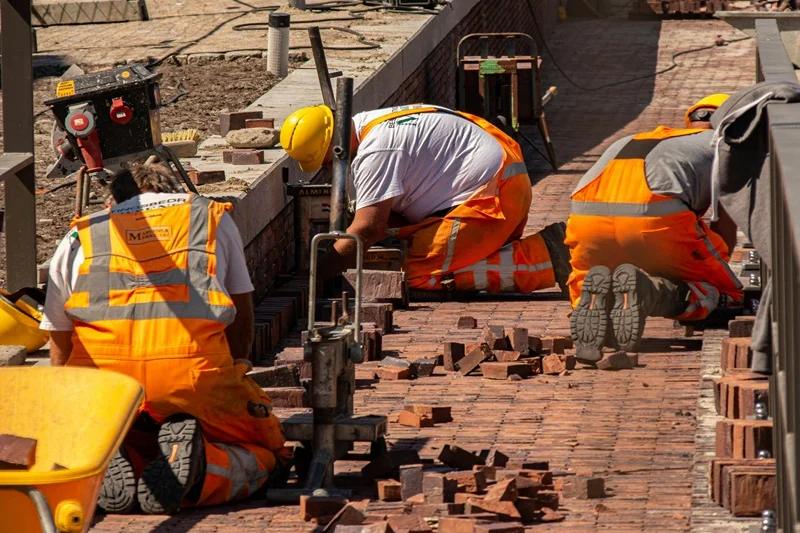
(C): Unsplash
The extreme heat wave currently plaguing South Asia is not just a meteorological phenomenon anymore. It is a full-blown crisis for humanity and workers. The extreme heat wave in Bangladesh is seriously impacting the urban labourers in Bangladesh, particularly the garment factories, construction and transport sectors. With rising temperatures, the intersection of climate change with labour exploitation is becoming impossible to overlook.
Urban Workers Facing Rising Heat Stress
The extreme heat wave has compounded the urban heat stress that workers have to encounter day-to-day in Dhaka and other cities. In recent years, the heat index has gone up to almost 48 °C, and workers are now subjected to hazardous working conditions without cooling, hydration or rest. This brings into focus the increased climate change pressure being experienced by the cities in Bangladesh, especially in overcrowded cities.
Garment workers, the mainstay of the Bangladesh export economy, are usually employed in factories that are poorly ventilated. Meanwhile, direct exposure to the sun is experienced by construction labourers and delivery workers, and because of this, heatwave working conditions in South Asia are becoming more and more dangerous.
Health Risks and Falling Productivity
The extreme heat wave is not only uncomfortable, but also fatal. Symptoms manifest as dehydration and nausea to loss of consciousness amongst workers. With no access to clean drinking water and sanitation, these heat exposure risks that construction workers face daily are multiplied.
This crisis is also impacting output. Research indicates that the productivity of labour under the heat stress conditions reduces drastically, and the workers become sluggish or take a lot more time to accomplish their duties. They have to reduce the number of shifts directly impacting their wages, a concerning indication of the increasing temperatures that affect the job trend in South Asia.
Labor Rights Violations Worsen the Crisis
Deep-rooted labour issues are being revealed by the extreme heat wave. A large number of workers claim that they are denied breaks, made to work overtime or even threatened in the process of taking a break. These practices underscore the necessity of heat safety policies at work that Bangladesh does not have at the moment.
Informal workers in Bangladesh are in a worse position since they constitute almost 85% of the working population. These workers have little to no legal protection, increasing the urban poor climate vulnerability in Bangladesh. The fear of retaliation makes many stand up not to say anything, even in cases where their health is at stake.
Coping Mechanisms and Their Limits
Although there is an extreme heat wave, workers strive to adapt in risky methods, such as minimising water consumption to avoid the lack of access to bathrooms or working even when exhausted to avoid losing compensation. Nevertheless, these measures can only increase the health outcomes and reveal the absence of measures of health prevention of heat exhaustion in the workplace.
The fact is clear: adapting to extreme heat that workers have to work with is almost impossible without a systemic change. Employers and international brands should assume responsibility by enhancing working conditions, and governments should be more vigorous in enforcing the heatwave labour laws in South Asia.
Work Life And Essential Guides
Why healthy workplace matters for employees?
Discover how stress and burnout impact daily work.
Which jobs are most stressful in 2025?
Explore roles with highest pressure and challenges.
How to file taxes with ELSTER Germany?
Check step by step guide for easy filing.
How to check Iqama status online?
Discover simple ways to verify status in KSA.
How to claim superannuation benefits Australia?
Explore process to access your retirement funds.
A Growing Urban Climate Crisis
The Bangladesh urban climate crisis is evident in the extreme heat wave. As the country is not a significant contributor to world emissions, it has to endure the impact of climate change. The crisis will only worsen unless there are urgent reforms such as improved safety standards and international accountability.
Finally, making sure that the workers are safe in case of heat waves is not only a labour problem but a human rights and climate justice issue.
FAQs
1. What makes the extreme heat wave of workers in Bangladesh so harsh?
The lack of work protections, poor infrastructure, and urban density contribute to the extreme heat wave in Bangladesh, and workers are extremely vulnerable.
2. Who are the most impacted workers during the heatwaves in Bangladesh?
The urban heat stress workers’ risk is the greatest among garment workers, construction labourers, and delivery personnel because of their exposure and the absence of protection.
3. What is the effect of heat on the productivity of workers?
The elevated temperatures lower the productivity levels, resulting in slower work and exhaustion, and directly affecting the heat stress levels of labour productivity.
4. Do we have legislation that safeguards workers against heat in Bangladesh?
Although there are some laws, workplace heat safety policies in Bangladesh are weak and not implemented effectively, particularly among the informal workers.
5. How can the safety of workers be enhanced in the heat wave?
This can be greatly improved by introducing compulsory breaks, access to hydration, cooling systems and stricter labour laws towards heat waves in South Asia.