
 The Workers Rights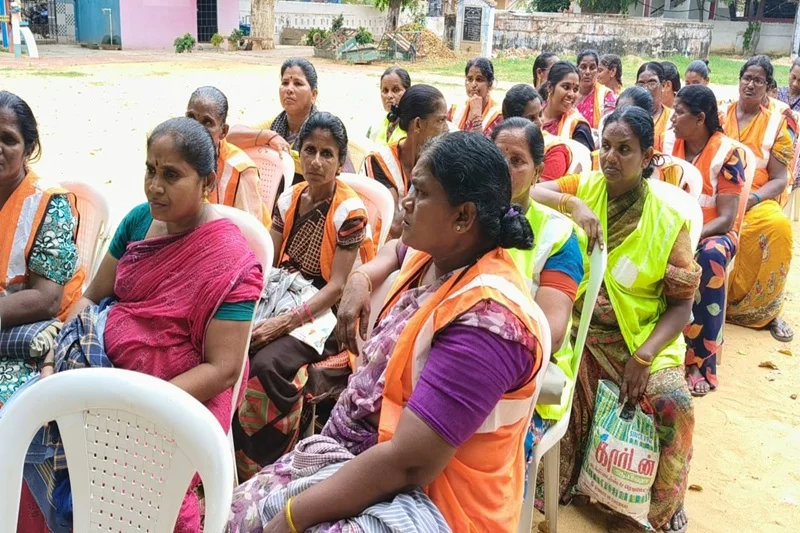
For any sanitation worker in India, the NAMASTE Scheme benefits can turn their life around. The National Action for Mechanised Sanitation Ecosystem (NAMASTE Scheme), a joint initiative of the Ministry of Social Justice and Empowerment and the Ministry of Housing and Urban Affairs, has already successfully identified more than 3.7 lakh sanitation workers across the country. This includes health insurance, free PPE kits, skill development, emergency safety equipment and financial assistance for self-employment. Here’s all the information you need, made simple.
Quick Facts: NAMASTE Scheme 2026
| Detail | Info |
| Full Name | National Action for Mechanised Sanitation Ecosystem |
| Launched by | Ministry of Social Justice + Ministry of Housing & Urban Affairs |
| Beneficiaries covered | 3.7 lakh+ sanitation workers |
| PPE kits distributed | 87,037 (sewer workers) + 1,84,118 (waste pickers) |
| Health cards issued | 76,845 (sewer workers) + 1,04,729 (waste pickers) |
| Emergency Response Units | 753 units fitted with the latest in safety equipment. |
| Primary goal | No deaths from sanitation activities |
What is the NAMASTE Scheme?
When designing the NAMASTE Scheme, one clear aim was that no sanitation worker should have to risk their life to clean a sewer by hand or a septic tank. Manual scavenging is not only hazardous, but it’s also about dignity. This is a scheme that addresses all three problems by simultaneously introducing mechanisation, healthcare, and economic empowerment.
It aims at two groups:
- Sewer and septic tank workers, individuals who directly work with waste infrastructure.
- Informal waste collectors, the people who collect the trash from the streets and keep the city clean, but are rarely acknowledged.
NAMASTE Scheme Benefits at a Glance
1. Free Personal Protective Equipment (PPE) provided
All qualified workers are issued a PPE kit, which is used to avoid injury and exposure to toxic substances. As of now, more than 2.7 lakh PPE kits have been given to both groups of workers.
2. Health Insurance & Ayushman Bharat Coverage
NAMASTE Scheme advantages incorporate free health cards joined with Ayushman Bharat, permitting the workers and their families to be treated free of cost at empanelled clinics. More than 1.8 lakh workers have been issued health cards so far.
3. Skill Development & Occupational Safety Training
Hands-on training is provided for workers to operate modern mechanised sanitation equipment, thus minimising their direct handling of hazardous waste. In addition, occupational safety training is included.
4. Financial assistance for self-employment
The scheme offers loans and subsidies to sanitation workers, and linkages to self-help groups, to help the workers start their own mechanised sanitation businesses, not just jobs.
5. Emergency Response Sanitation Units (ERSUs)
753 ERSUs have been fitted with state-of-the-art safety features to deal with sanitation emergencies in a safe manner, rather than endangering those working on the units. Such units are deployed all over Urban Local Bodies in the country.
Who Is Eligible for NAMASTE Scheme Benefits?
Eligibility for NAMASTE Scheme:
- Sewer/Septic Tank Workers (Contractors) appointed by Urban Local Bodies (ULBs)
- Waste pickers operating in urban areas
- The validated workers who were identified and profiled under the scheme
Registration is by ULB/state implementing agencies. The workers are profiled and validated, then enrolled and will get the whole range of benefits.
More worker rights stories worth reading.
How Is Bihar Supporting Workers Better?
Check out the latest welfare measures approved for sanitation workers.
Why Are Sanitation Workers Essential?
Find out how frontline workers protected communities during the pandemic.
What Caused Kuwait Fire Tragedy?
Look into worker housing safety and sanitation standards after the incident.
How Is UAE Improving Worker Welfare?
Browse the new accommodation rules offering free internet and better living.
Will Nepal Face Fresh Worker Protests?
Uncover what the union ban could mean for workers across Nepal.
NAMASTE Scheme vs. No Scheme: The Difference It Makes
| Situation | Without NAMASTE | With NAMASTE Scheme Benefits |
| Sewer cleaning | No safety gear with the exception of manual. | Mechanised equipment + PPE |
| Health crisis | Out-of-pocket expenses | Treatment at no cost under Ayushman Bharat program |
| Income support | None | Self-employment loans + SHG linkages |
| Emergency response | At risk | ERSU or each modern piece of safety device. |
| Worker recognition | Informal, unregistered | Validated with official health card |
Key Takeaways
- Health, safety, training and economic support are all covered under the benefits of the NAMASTE Scheme.
- More than 3.7 lakh sanitation workers have already been validated on a national level.
- The scheme has the potential to bring India to zero sanitation-related fatalities.
- The application for the NAMASTE Scheme is made via the Urban Local Body, not as a direct application to the Centre by workers.
- Sewer workers and waste pickers are part of the NAMASTE Scheme 2026.
FAQs
What is the NAMASTE Scheme in simple terms?
NAMASTE is a simple Scheme. The programme is operated by the Government and provides sanitation workers, such as sewer cleaners and waste pickers, with health cards, equipment, training and financial assistance to improve the working conditions for them and to empower sewer cleaners and waste pickers to adopt safer methods of cleaning sewers.
How do I register for NAMASTE Scheme benefits?
Schedule a time to register for benefits in the NAMASTE Scheme. Get in touch with your local Urban Local Body (ULB) or municipal corporation. The workers are identified and enrolled by the implementing agencies at the State and City Level.
Does the NAMASTE Scheme cover waste pickers?
Yes. Waste pickers are one of the major beneficiaries, with more than 2.8 lakh waste pickers validated to date and 1.84 lakh PPE kits distributed to them.
Is Ayushman Bharat health insurance free under NAMASTE?
Yes. Under the scheme, health cards are provided free of cost to eligible sanitation workers.






Recent Comments