The Workers Rights
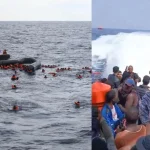
In 2026, the arrivals by sea of migrants and refugees to Europe have fallen sharply, but the number of people dying or going missing on major maritime routes has continued to rise. The International Organisation for Migration (IOM) says almost 60,000 migrants and refugees have arrived in Europe by sea through September 15, compared with 98,040 during the same period last year.
The 39 per cent drop in arrivals has coincided with an increase in recorded deaths and disappearances. At least 2,292 people have died or gone missing attempting to make maritime crossings so far this year, compared to 1,999 in the same period in 2025.
Europe’s Migrant Arrivals Drop Significantly
IOM data on verified arrivals through September 15 shows a significant decrease in the number of migrants and refugees arriving in Europe by sea. There have been almost 60,000 arrivals in 2026, a drop of 39 per cent from the 98,040 arrivals during the same period in 2025.
The reduction has been particularly significant along the Central Mediterranean route toward Italy. Arrivals through that route fell by 55 per cent, from 48,231 during the same period last year to 21,393 in 2026.
Deaths Continue To Rise Despite Fewer Arrivals
Arrivals have dropped, and deaths and disappearances have increased in tandem. IOM has recorded at least 2,292 people who died or disappeared trying to reach Europe by sea, up from 1,999 during the same period last year.
The Central Mediterranean route is a stark illustration of this concern. Arrivals to Italy dropped by more than half, while recorded deaths on the route increased from 844 to 996, indicating that lower crossing numbers do not automatically mean less humanitarian risk.
Central Med Route Still Very Dangerous
The Central Mediterranean is still a key route for migrants trying to reach Europe from North Africa; the drop in arrivals is huge, but the increase in deaths shows that treacherous seas and other hazards are still intense, as Italy has seen a huge drop in arrivals so far in 2026.
The voyage involves long stretches at sea in ships that are often cramped or ill-suited for open water travel. The risk that people undertaking the crossing face can be due to weather conditions, mechanical failure, limited capacity to rescue and the activities of organised smuggling networks.
Fewer Arrivals But More Deaths In Greece
Greece also recorded a decrease in maritime arrivals in 2026. The country registered 20,428 arrivals, less than the 25,427 arrivals during the same period last year.
But the number of deaths on the Eastern Mediterranean route surged. Recorded deaths and disappearances rose from 284 to 417, adding to concerns about the dangers of crossings toward Greece.
The IOM data covers the period during which 16,794 migrants arrived in Spain along the Atlantic and Western Mediterranean routes. That was a drop from the 22,855 arrivals recorded during the corresponding period last year.
Fewer people arrived, but the death toll remained high, with 879 deaths or disappearances recorded on routes toward Spain. The Atlantic route in particular has long been fraught with serious risks due to its distance and difficult ocean conditions.
Maritime interceptions continue to constitute a significant share of migration flows across the Central Mediterranean. Thus, interceptions can affect the relationship between arrivals statistics and the level of overall migration activity on a route.
Missing Migrants And Prolonged Family Hardship
The consequences of maritime migration tragedies are not confined to the time of a shipwreck. When people go down at sea and no remains are recovered or identified, families can spend years trying to find out what happened to loved ones who never made it to port.
IOM has pointed out the difficulty in finding human remains and the location of missing migrants. Cross-border investigations can involve authorities in countries of origin, transit and destination, adding to administrative and legal challenges.
The latest figures also throw up the risks of irregular migration pathways. In situations where safe and regular pathways are limited, migrants and refugees may be forced to use routes controlled or facilitated by smugglers, often involving vessels and journeys that are physically perilous.
Trafficking and exploitation may also increase vulnerability on journeys. Conflict, displacement or economic hardship already suffered may be compounded by the threats of moving through transit countries and attempting crossings by sea.
The IOM data has refocused attention on the need for cooperation between countries of origin, transit and destination. Migration routes often cut across several jurisdictions, making isolated national responses difficult to sustain over time.
The organisation continues to engage with governments, partner organisations and communities to address measures on protection, voluntary return and reintegration support, regular migration pathways and risk reduction along major routes.
The latest statistics show why numbers cannot tell us all we need to know about migration conditions. A 39 per cent fall in maritime arrivals may suggest that fewer people are making it to Europe, but the simultaneous rise in deaths and disappearances suggests that danger on several routes is continuing and possibly getting worse.
Europe Faces Ongoing Humanitarian Migration Challenges
The latest IOM figures show two parallel trends along the European maritime migration routes. At least 2,292 people have died or gone missing trying to reach Europe by sea in 2026, while nearly 60,000 migrants and refugees have arrived, a 39 per cent decrease compared with the same period last year.
Italy, Greece and Spain have all seen drops in arrivals, but all the main routes remain high humanitarian risks. Arrivals in the Central Mediterranean were down, but deaths were up. The Eastern Mediterranean also saw a dramatic rise in deaths.
Global Worker Rights Issues You Should Know
Who Pays Rising H-1B Extension Costs?
Check out what workers can do if employers refuse payment.
How Do Malaysian Workers Navigate Singapore?
Find the key housing, economic and retirement challenges.
Could UK Bosses Really Face Jail?
Uncover what the illegal hiring crackdown means for workers.
Why Are Ceuta Migrants Returning?
Browse the food, safety and migration pressures driving returns.
Can Europe Solve Its Labour Shortage?
See why migration controls clash with growing worker demand.