The Workers Rights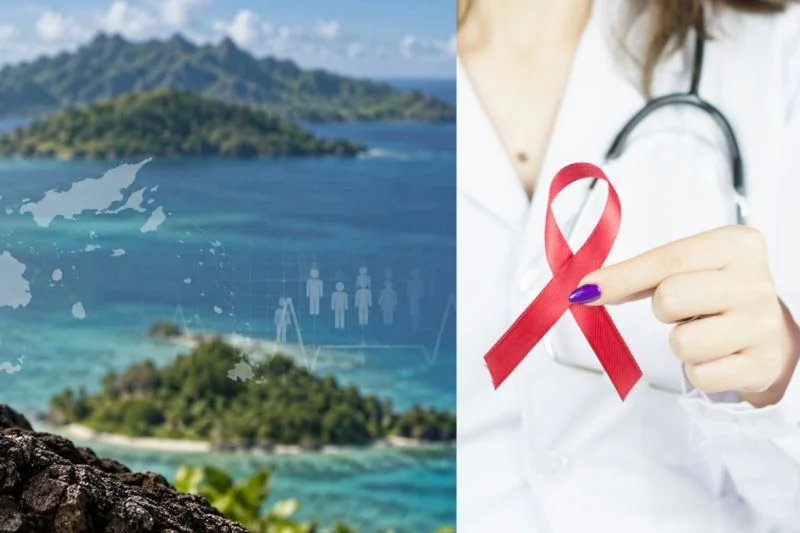
Fiji has declared a national HIV emergency after a surge in HIV cases, putting more strain on an already stretched health system. It’s not just that health workers have to treat more patients in Fiji. They may also experience increased demand for HIV testing, counselling, treatment, prevention services, and follow-up care. The Fiji HIV Emergency therefore poses an important question from the worker’s perspective: can the healthcare workforce meet the growing demand without further pressure on frontline services?
Quick Facts
| Key Point | Details |
| HIV emergency situation | Fiji has declared a state of emergency. |
| New cases | There were 2,016 new diagnoses in 2025. |
| People who live with HIV | 9.1 thousand in 2025 |
| Awareness of HIV status | Just 39% knew their status |
| Access to Treatment | About 22% were receiving antiretroviral therapy |
| Big worry for workers | Increasing demand for testing, treatment and clinical services |
Why Is Fiji Facing a Healthcare Workload Crisis?
The HIV crisis in Fiji is creating demand across much of the health system. In addition to diagnosing HIV cases, healthcare workers are involved in treatment, monitoring patients, supporting prevention programs and encouraging people to get tested.
When you look at access to treatment, the magnitude of the problem becomes more apparent. Many people living with HIV were unaware of their HIV status or not on antiretroviral therapy, it is reported. Expanding HIV testing and treatment could therefore draw more people into the healthcare system, increasing workloads for nurses, doctors, laboratory staff, counsellors and community health teams.
This presents a double challenge for workers. Further testing is required to identify cases earlier, while increased access to treatment needs continued patient monitoring and follow-up.
What Does the Fiji HIV Emergency Mean for Workers?
The rise in HIV incidence in Fiji may have implications for the country’s health system beyond the specialist HIV services. When patients develop HIV-related complications that require medical care, hospitals and outpatients may face additional strain.
At the same time, there is a need for trained workers to provide confidential testing, treatment guidance and prevention support for HIV services. “Expanding services without a bolstered healthcare workforce could make existing staffing pressures even worse.
Needle and syringe services are also expected to be introduced as part of the broader HIV response. This means health and community workers could take on more duties around prevention, public education and linking vulnerable people with health services.
The Bigger Worker Worry: Can Services Expand?
| Growing Demand | Potential Workforce Strain |
| More HIV tests | Workload increased in labour and counselling |
| Increased treatment access | Additional patient monitoring and follow-up |
| HIV prevention. | More community engagement. |
| More hospital admissions. | More pressure on clinical services |
| Public consciousness | More support work and education; |
| Needle and syringe programs | Additional prevention and outreach duties |
The issue is not solely about Fiji’s capacity to deliver additional HIV services. It is whether those services can grow while safeguarding the capacity of Fiji healthcare workers to manage their existing duties.
What Could Help Fiji’s Healthcare Workforce?
More staff, training, testing capacity and community-based services might be needed for a stronger HIV response. More prevention and early testing could also reduce the number of people who arrive at hospitals with serious complications.
Better coordination between hospitals, clinics, laboratories and community organisations could make the response more manageable for workers. Stigma reduction is also important because people who avoid testing may enter the health system later with more complex needs.
Thus, the future of HIV care and prevention in Fiji will depend not only on medicines and testing, but also on whether healthcare workers have sufficient resources and support to deliver those services.
FAQs
Is Fiji facing a new HIV emergency?
Yes. Fiji has announced a national HIV emergency, following a sharp rise in reported HIV cases and concerns about its ability to provide treatment and prevention.
What is the impact of HIV on healthcare workers in Fiji?
An increase in cases can lead to increased demand for testing, counselling, treatment, monitoring, prevention programs and hospital care.
Is the HIV workload increasing for health workers?
The scale-up of HIV testing, treatment and prevention services is expected to increase the burden on clinical and community health care teams.
Why is HIV increasing in Fiji?
A number of contributing concerns have been identified in the response, including unsafe sex, drug use, sharing of needles and other transmission risks.
What is the future of Fiji’s HIV health response?
Increasing testing, access to treatment, prevention programs, workforce capacity and community health services can support a stronger response.
Global Worker Rights Issues You Should Know
Who Pays Rising H-1B Extension Costs?
Check out what workers can do if employers refuse payment.
How Do Malaysian Workers Navigate Singapore?
Find the key housing, economic and retirement challenges.
Could UK Bosses Really Face Jail?
Uncover what the illegal hiring crackdown means for workers.
Why Are Ceuta Migrants Returning?
Browse the food, safety and migration pressures driving returns.
Can Europe Solve Its Labour Shortage?
See why migration controls clash with growing worker demand.