abi sri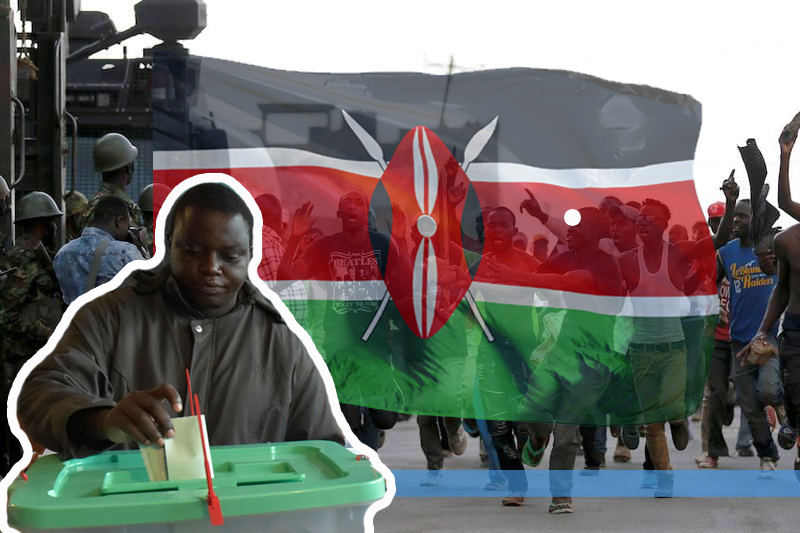
why young kenyans are boycotting the election
 Kenyan – “Many young people are saying that they won’t be voting, that elections have not proven an effective way to cause change,” says Loise Mwakamba, from the parliamentary watchdog Mzalendo Trust. This explains why a growing number of young people between the ages of 18 and 25 say they do not plan to vote in next week’s Kenyan presidential election.
Only 40% of the 22 million people registered to vote in Tuesday’s elections are between the ages of 18 and 35. Persons under the age of 35 make up 75% of the country’s population.
Voting next week should be tight. Two of the presidential candidates have been in politics for a long time. Opposition leader Raila Odinga was prime minister between 2008 and 2013. And vice president William Rutow is outgoing government.
Related Posts



Their long political career has bolstered their influence across the country, but has also worked against them among voters who are critical of their track record.
According to a report by the National Cohesion and Integration Commission, public confidence in Kenya’s electoral institution is only 26%. The last elections in 2017 were declared invalid by the Kenyan courts. Uhuru Kenyatta won the rerun, which Odinga refused to run and called for a boycott from his followers. “When Raila did it, it was understood that staying away from the polls was a tactic towards getting issues addressed,” explains Ruzuna Akot.
Commentators point to ingrained beliefs around voting. As they say, they live in a country where civic participation is reduced to voting. Voting is now very extractive, with politicians engaging the population only when they want [they] to vote. The sociologist agrees with this statement and adds – “The messaging around the elections is like, ‘go and vote and go home – and vote peacefully!”
Kenya has some of the most expensive choices in the world. Last year, lawmakers rejected a proposal by the electoral body to limit presidential campaign spending to 4.4 billion shillings. According to the Election Spending Report, many politicians go to the polls expecting financial or social rewards.