abi sri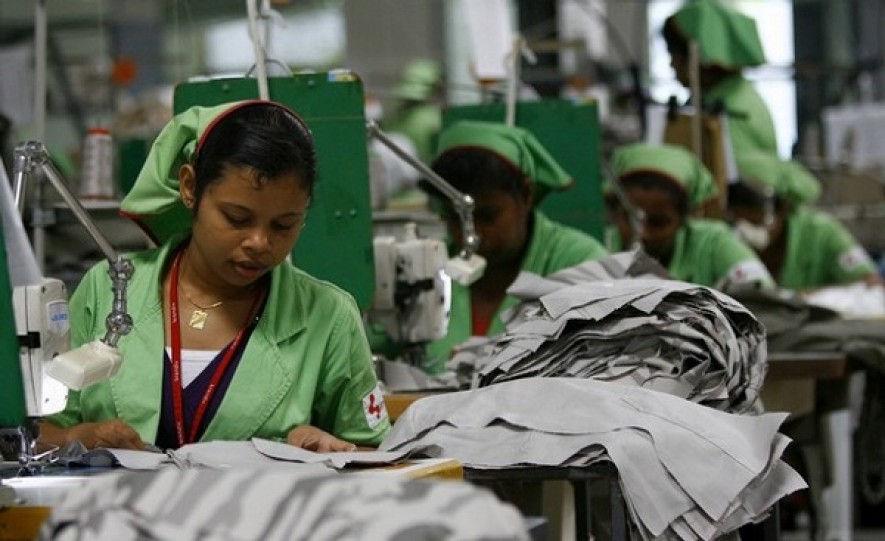
sri lankan textile women workers’ crisis
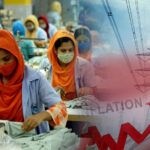
 Sri Lankan – Thousands of textile workers faced retaliation and worked in hazardous environments as COVID-19 protocols were broken and epidemics surged through factories, according to a report released earlier this month by a worldwide labor rights organization.
The pandemic had been difficult enough. Now, Sri Lanka is dealing with an economic crisis that is having an effect on low-wage female garment workers who create clothes for wealthy women in the West.
Types of Challenges
Shutdowns, shortages, salary issues, and imminent strikes are plaguing the country, with the women workers’ support of the garment sector bearing the brunt of the consequences.
Many rural, low-income women have already sacrificed their jobs or report taking out loans or working extra hours to earn a living each month.
Related Posts






Shortage of Foreign Currency
Sri Lanka is in the midst of its biggest financial crisis since its 1948 independence, with foreign exchange reserves down 70% to $2.36 billion in January this year.
The nation is battling to pay for importing goods such as food, medication, and fuel due to the dollar shortage.
Crisis of Women Workers
Women make up around eight out of ten workers in the sector, with the majority coming from rural areas.
They, too, are responsible for taking care of their families. The cost of food and home goods has risen significantly in recent months. Plus their workload has increased dramatically, resulting in 12-hour shifts and 6 days a week schedule.
Unionizing Sri Lankan Women Workers
Padmini Weerasooriya has been a trade unionist for more than 20 years in Sri Lanka. She put lots of effort into unionizing women workers. Defending the women workers she said,
Importance of Garment Sector
With around 300 companies producing garments for tens of well-known global brands, garment manufacturing is Sri Lanka’s second largest source of foreign revenue.
The industry generates 6% of the country’s overall GDP, employing 3,50,000 people directly and another 700,000 indirectly.