 kritika
(C): X
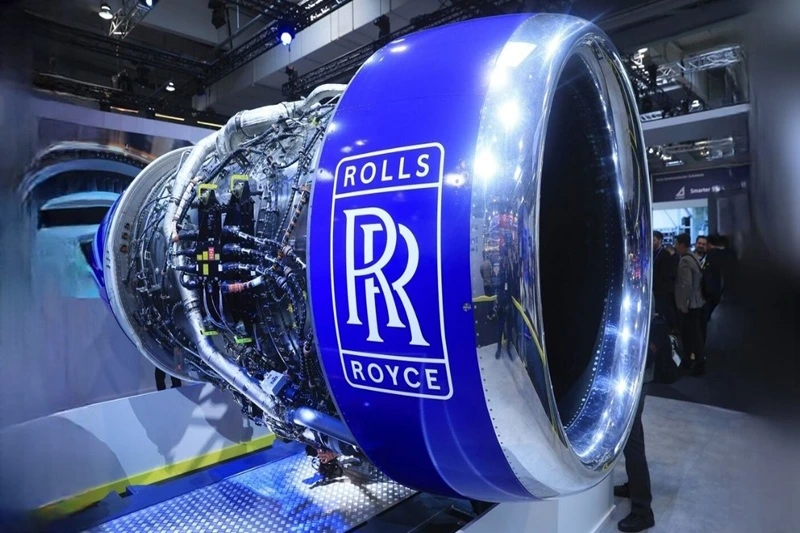
The taxpayer deal may be offered at any time as early as next week and the big promise is sizable – up to 40,000 skilled jobs. The funds would be used to develop a demonstrator of a new engine called the UltraFan 30, which is targeted at short-haul aircraft. It’s an early sign of the government’s commitment to revive the British manufacturing sector. Who will get what, and when? is the real question to which workers and taxpayers must answer.
Quick Facts
- Available funding: £100m – £200m from the UK government.
- What it does not pay for: aircraft design, development, or testing of other projects.It does not pay for: aircraft design, development or testing of other projects.
- Jobs boast: 40,000+ skilled jobs – companywide and across its supply chain
- Cost saving claim: up to £120bn to the UK over the lifespan of the programme.
- Full engine cost: up to £3 billion to certify, plus more for manufacturing
- Categorisation: Energy and Water
- Key deadline: The long-awaited selection of next-generation engines by Airbus and Boeing is next on the list of key deadlines.
What the Deal Would Actually Fund
This is NOT a completed engine! The £200 million taxpayer deal would finance research and technology for a demonstrator, which would be a test pilot before any production programme would get the go-ahead. The money will be channeled through the Aerospace Technology Institute that allocates state innovation funding for UK aerospace.
This support has been asked for by Rolls-Royce for more than a year. It is looking to re-enter the relatively small market for narrow-body planes such as the Airbus A320 and Boeing 737 where the company first entered the market over a decade ago, but failed to make a significant impact, after concentrating on the wide-body engine market. There may be further changes to be made to details.
Where Would 40,000 Jobs Come From?
The project is a “once-in-a-generation opportunity,” according to the chief executive. The 40,000 includes skilled engineering roles at Rolls-Royce, and the wider aerospace supply chain, not only at Rolls-Royce. It matters because it’s a part of the supply chain and winning work is crucial for the success of supply chain jobs and the aircraft makers’ decision on the engine is a key factor.
That is, the jobs are predicted to be in the future over the next few decades, rather than guaranteed for this year. It is not until orders are placed by Airbus or Boeing that anything is guaranteed.
The Germany Factor
Rolls-Royce has stated it may move production to Germany to take advantage of a market where it already manufactures business jet engines, and where the UltraFan gearbox was produced near Berlin. There is still some German work to be expected. This is the power behind the request: We’ll go somewhere else if you don’t back us.
It’s likely the deal will feature employment guarantees from the company, which is where the public should look.
Questions Taxpayers Should Ask
Before rejoicing, British workers and taxpayers can justifiably inquire:
- Will there be clear numbers of jobs and clear dates for jobs commitments, and will they be legally binding?
- How many roles are new, and how many are merely to preserve the existing roles?
- What will be the site of final assembly, as well as of important manufacturing?
- What would be the fate of public funds when the engine did not get any order?
“This support is commonplace in the industry and the amount is larger for rivals in the US and France,” says Rolls-Royce. Well, that’s a valid argument, but it does not excuse the need for accountability.
Final Word
The agreement could fuel growth in the UK’s aerospace industry and bring jobs and engineering skills to the UK. However, 40,000 is a best-case scenario, which relies on a worldwide competition. So the best way to evaluate it is to look at the terms of the contract, not the headline.
Workers’ Rights, Tax Changes and Global Job Updates
1. Could Your Savings Face Higher HMRC Taxes?
Check out how HMRC savings tax rules could affect over-65 workers and their savings income.
2. Why Are Migrant Workers Facing Ongoing Abuse?
Uncover the distressing challenges temporary migrant workers face in British Columbia.
3. Could Floods Displace Agricultural Migrant Workers?
Find out how severe flooding is threatening agricultural migrant workers and their livelihoods.
4. Why Should Footballers Watch The Workers Cup?
5. Which Companies Are Planning Major Job Cuts?
Discover the latest reported layoffs at KPMG, Rolls-Royce and other major companies.