 kritika
(C): X
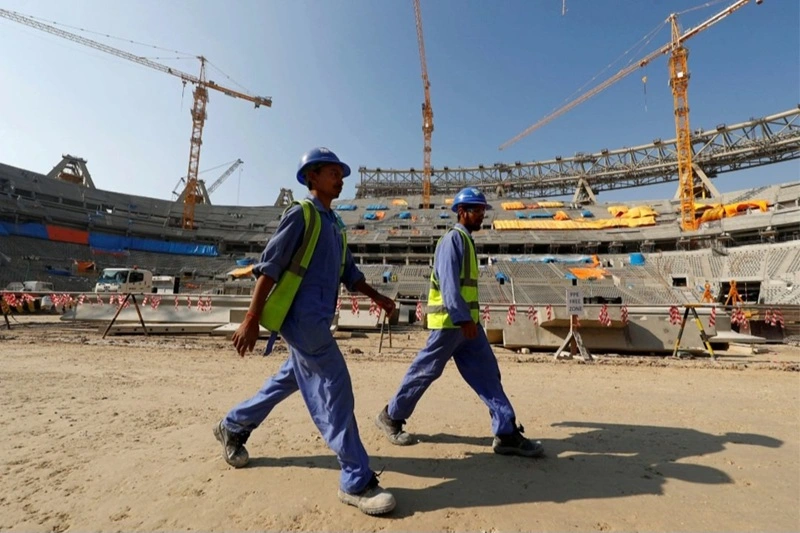
A cleaner in Dubai, a nurse in Riyadh, a builder in Doha. Many come from Nepal, India, the Philippines, Bangladesh, Kenya or Uganda, and most arrive under the same rule: kafala. It ties a worker’s legal stay to a single employer, and that link shapes pay, movement and safety far from home.
How Kafala Works and Why It Worries Rights Groups
Kafala is the Arabic word for sponsorship. It took shape in the mid-twentieth century, when oil-rich states needed labour fast and did not want to offer newcomers permanent settlement. The employer, known as the sponsor, handles the visa and residency. That sounds administrative, yet it hands one person enormous power. Human Rights Watch interviewed more than 80 migrant workers in Qatar, and most described at least one form of abuse, including confiscated passports and unpaid wages. Workers who leave an abusive job risk an “absconding” charge, which can mean fines, detention and deportation.
What Has Changed, and What Has Not
Qatar moved first. In September 2020 it removed the need for employer permission to change jobs, becoming the first Gulf country to do so for all migrant workers, and it set a minimum wage that applies regardless of nationality. Saudi Arabia followed that November, announcing that foreign workers could change employers, travel and obtain exit visas without employer consent, with the changes due in March 2021. Rights groups welcomed both steps, then pointed to what remains. Workers still need a sponsor to enter, employers can still influence residency status, and Qatar still penalises absconding. Domestic workers, who live inside private homes, are the hardest to reach. Enforcement, not announcements, will decide whether reform arrives at the worksite.
How Workers and Home Countries Can Reduce the Risk
Protection starts before departure. Use only licensed recruitment agencies, refuse to pay fees above what your government allows, and insist on a written contract in a language you understand. Photograph every page. Once abroad, keep your own passport, confirm that wages arrive through a bank or an official wage system, and save payslips and messages. Store the number of your embassy or consulate and of a migrant rights organisation. Origin countries share responsibility too: they can regulate agents, run pre-departure briefings and negotiate enforceable labour agreements. Readers anywhere can help by backing ethical recruitment and asking companies that build, clean and care across the Gulf to publish how they treat their workers.
Discover the Latest Changes in Migrant Worker Rights
1. Can Lebanon’s Kafala System Protect Workers?
Check out the controversy surrounding migrant worker abuse and growing demands for accountability.
2. How Did Saudi Arabia Reform Kafala?
Find out how Saudi Arabia’s e-portal aims to simplify job changes for migrant workers.
3. What Has Saudi Arabia Changed Recently?
Explore the changes to Saudi Arabia’s kafala system and their impact on migrant employment.
4. Will Saudi Arabia Finally Abolish Kafala?
Uncover the debate surrounding the controversial labor sponsorship system and its future.
5. What Rights Do Arrested Migrants Have?
Learn about migrant workers’ legal rights and how consular assistance can help after an arrest in Saudi Arabia.