 kritika
(C): X
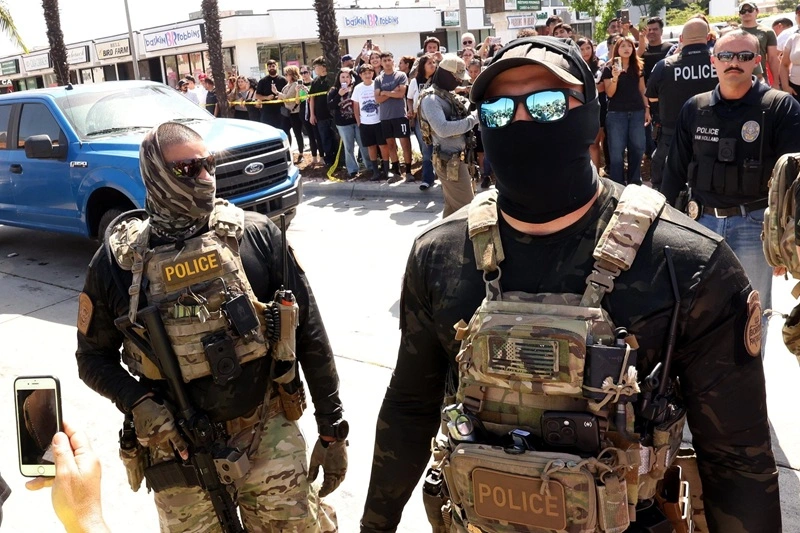
Immigrant communities in Southern California have a big legal victory. The new racial profiling decision in ICE prevents officers from detaining someone based on appearance, or because they look Latino or appear Latino and working class. The order brings welcome relief to Latino workers in California who have been anxiously waiting for months for immigration raids in their California car wash, parking lots, and work sites: Can the daily commute be the same, but safer? The response is “maybe,” as the government is already taking a stance against it.
Quick Facts on ICE Racial Profiling
- Judge: U.S. District Judge Maame Ewusi-Mensah Frimpong
- Type of order: Preliminary injunction, not a final verdict
- New standard: Agents need individualized reasonable suspicion before an immigration stop
- Area covered: Central District of California, including Los Angeles, Orange, Riverside, San Bernardino, Ventura, Santa Barbara and San Luis Obispo counties
- Exemptions: Ports of entry, checkpoints and other functional equivalents of the border
- Legal basis: Fourth Amendment (unreasonable seizures) and Fifth Amendment (equal protection)
- Current status: The administration has filed an appeal with the 9th Circuit
What the Judge Found
The judge called it a “mountain of evidence” that underlies the ICE racial profiling decision, consisting of body-camera video and text messages in which ICE agents used slurs for Latinos. The judge also referenced reports of Latino U.S. citizens and Latino employees and customers who were arrested and had their citizenship documents rejected, and of white bystanders who were ignored while Latino detainees were detained.
Plaintiffs also alleged “roving patrol” which involved agents driving around in search of “possibles” instead of a named target. Some Home Depots and car washes were to be targeted first, and the operations planned after, according to the filings. The case is now hinging on these ICE discrimination allegations.
Why It Matters for Workers
Day labourers, car wash workers and street vendors are often the most readily available to work, and as a result, these workers have been the hardest hit through ICE workplace enforcement. The decision instructs agents that mere appearance of being Latino is not sufficient to warrant an arrest if the person is also dressed in a working-class manner. By that standard, it’s a boost to Latino workers’ protection and a reinforcement of California’s broader laws governing workers’ rights for many immigrant communities in California.
Discrimination against Hispanic workers also extends to citizens—the one who fits a stereotype can be stopped.
What the Order Does Not Do
This is not a general protective covering. The decision is a preliminary one, and a judge said it was not a final determination that an illegal policy was in place. It applies to just one federal district, and it does not prevent lawful and targeted enforcement based on specific facts. The Justice Department says that the injunction “gravely impedes” its right to conduct stops and requests a stay of the injunction until the appeal can be heard.
What Workers Can Do Now
Employees must be aware of their rights, which include the right to remain silent, and the right to request a lawyer. Make sure you have the addresses and phone numbers of a local legal aid service in your possession if a stop appears to be based entirely on appearance; record the time, place and agent details if it is safe to do so, as this can be used to assist in this case. This is general information and not legal advice.
What Happens Next
Whether or not the order remains in effect will be decided by the 9th Circuit, which could have ramifications far beyond LA immigration enforcement. For now, the ICE racial profiling ruling provides some relief, but as limited as that may seem. It represents a move to safer workplaces for workers throughout the region, but it is not a guarantee.
Discover the Latest California Workers’ Rights Updates
1. Could a New Union Change LA Labor Laws?
Check out how the Genwa New Restaurant Workers Union could influence labor protections in Los Angeles.
2. Why Are Immigrants Protesting Across US Cities?
Find out what sparked the “A Day Without Immigrants” protests in Tampa and the Bay Area.
3. Will California Workers Get More Sick Leave?
Discover how the five-day sick leave policy could benefit California employees.
4. Can Hotel Workers Afford Living Near Work?
Explore why striking California hotel workers are demanding affordable housing closer to their workplaces.
5. Are California Workers Receiving Their Compensation?
Learn how the California Labor Commissioner is helping workers recover wages for violated rights.