Freelance writer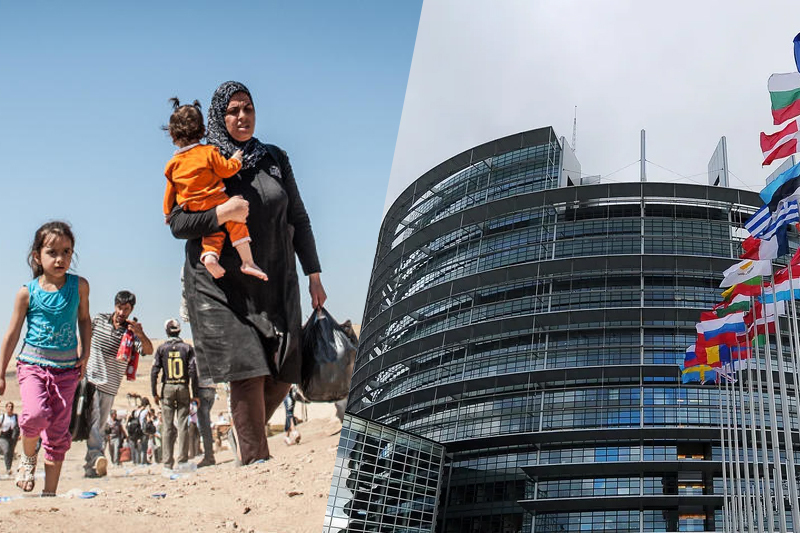
european parliament wants migrant resettlement in the eu
As part of a contentious reform before the European elections in 2024, MEPs on Thursday backed a demand that member states accept some of the refugees and migrants pouring into the bloc in large influxes, according to Reuters and other news sources.
European Parliament Wants Migrant Resettlement In The EU-
Before the 27 member states could agree on the final form of the reform of the EU’s immigration and asylum laws, the European Parliament adopted its position on the so-called “mandatory relocation.”
Others, like Italy and France, where people from the Middle East and Africa arrive on smugglers’ boats across the Mediterranean, claim they cannot manage on their own. Some nations, like Poland and Hungary, are refusing to accept the new arrivals.
Instead of being legally obligated to host visitors, Warsaw, Budapest, and their allies claim they can assist by providing resources such as cash, personnel, or equipment. Germany and other wealthy nations in the European Union feel that this is insufficient. When over a million people, the majority of whom were fleeing the Syrian war, arrived on Europe’s southern shores in 2015, the bloc’s immigration and asylum system broke down. This caught the EU off guard and sparked an upsurge in anti-immigrant sentiment throughout the community. Since then, the EU has tightened its external borders and asylum policies to keep people out, and as the COVID-19 pandemic has reduced international travel, the delicate subject of migration has slipped down the political agenda of the bloc.
Keep Reading


However, the number of unauthorised arrivals through the Mediterranean increased last year, according to Frontex, the EU’s border agency.
What endorsed by the MEPs?
First, MEPs backed the beginning of talks with member states on a new rule for screening foreign nationals.
Those who do not typically meet the requirements for entry into a Member State will be subject to these rules at EU borders. These comprise identification, fingerprinting, security inspections, and an initial evaluation of vulnerability and health.
In their amendments, MEPs included a mechanism for independent monitoring of fundamental rights, which would also oversee border surveillance to make sure that any potential pushbacks are reported and looked into.
The second and main bill outlines how the EU and its member states will collaborate to manage immigration and asylum.
It establishes more accurate standards for allocating responsibility fairly among parties involved in processing asylum applications (the so-called “Dublin” standards).
It includes a legally binding solidarity mechanism to support nations under pressure from migration, including after-sea-based search and rescue operations. According to the European Commission’s assessment, mandatory relocation and a derogation from the screening and asylum procedures will be implemented in the event of an unexpected mass arrival of citizens of third countries that creates a crisis situation in one particular member state. A mandate for negotiations regarding potential modifications to the directive for long-term residents was also approved by MEPs.
These include the potential for integrating individuals with temporary protection status and expediting the issuance of long-term residency permits following three years of lawful residence.
Long-term EU residents will automatically be granted the same status, and they will be free to relocate to another member state without any further work restrictions.