Aparajita Das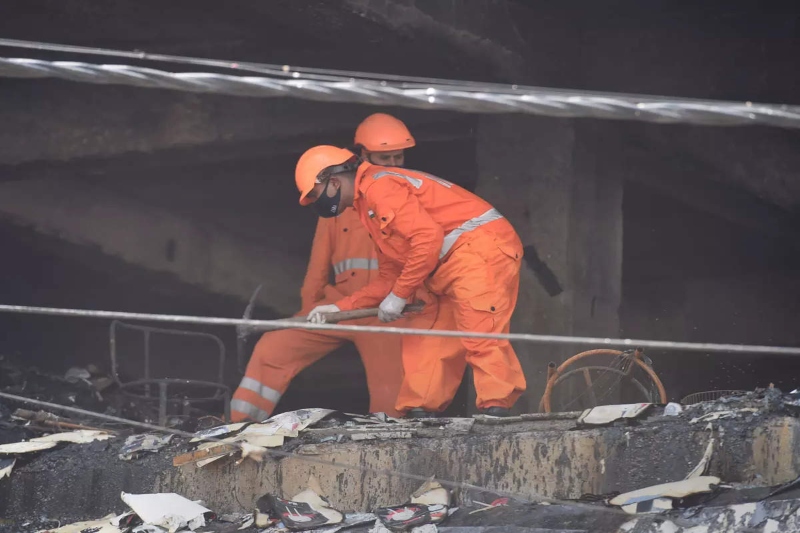
delhi’s fire case highlights the risk of new labor laws
 India – A labor rights organization has expressed concern that workplace fatalities will become more common following the forthcoming adoption of a new labor law that, according to the organization, will exclude 85 percent of enterprises from observing certain occupational safety requirements.
WPC (Working People’s Coalition) is a network of over 100 labor rights organizations. WPC’s Dharmendra Kumar said,
Related Posts







Rules & Regulations
He was talking about the Occupational Safety, Health, as well as Working Conditions Code, one of 4 labor laws passed by Parliament in the last three years.
When the government completes defining the regulations for their implementation, these 4 will assimilate and replace 29 current labor laws.
If their manufacturing processes entail the use of electricity and they have 10 or more workers, or if the procedures do not utilize electricity and they have 20 or more workers, the current Factories Act mandates that they observe certain safety standards.
The Occupational Safety Code, on the other hand, raises the threshold to 20 or more personnel if the manufacturing involves electricity, and to 40 or more if it does not.
The code also excludes labor contractors who employ up to 50 workers, up from the previous limit of 20. It gives state governments the authority to exclude new manufacturing plants from the law’s provisions.
The Factories Act mandates risk-free plants and systems, as well as safe procedures for the utilization, handling, storage, and transportation of items and substances.
Other Statements by WPC
According to the WPC, 85 percent of India’s workplaces will be exempt from these safety regulations, particularly medium and small businesses, which are more exposed to occupational dangers and safety infractions.
Dharmendra Kumar also said,
“Most establishments are already violating safety norms, but mishaps are underreported.”
According to the WPC statement, the fire-ravaged buildings in Mundka on Delhi’s outskirts ran without any safety checks or monitoring from authorities.