 kritika
(C): X
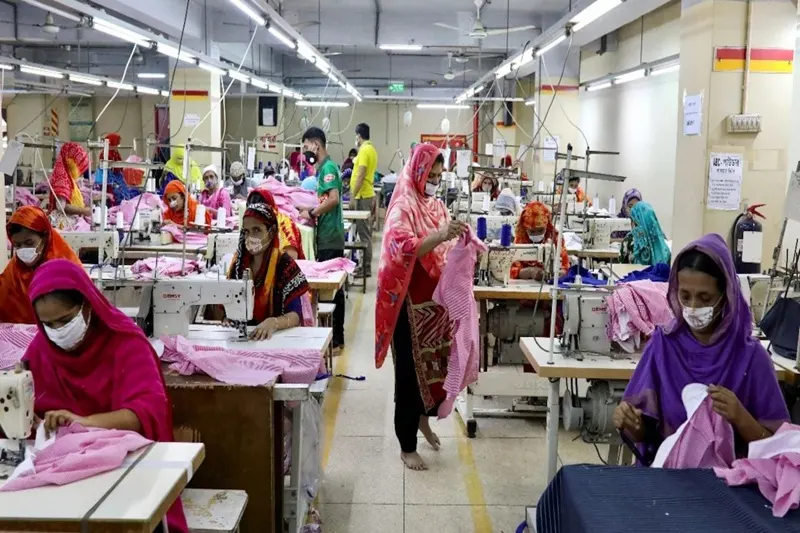
Most of the production that global fashion brands are moving out of Bangladesh is coming to India. Retailers including Zara, H&M and Marks & Spencer diverted about $254 million in orders in the first 18 days of November, according to a Reuters report carried by The Indian Express. As brands such as Zara and H&M move orders to India, one question is important for people working in the factories: does this mean more hiring, or will existing staff just have to work longer shifts?
Main Points
- Diverted orders: November 1–18, 2026. Amount: $254 million
- The brands are Zara, H&M, Marks & Spencer and Celio, according to Bangladeshi factory owners
- Biggest beneficiary: India, which got most of the shifted business
- Size: Almost 1/10th of Bangladesh’s monthly orders
- Cause: Industrial unrest, rising costs of production and factory disturbances
Why are orders going out of Bangladesh?
According to Reuters, three Bangladeshi factory owners said the unrest has prompted buyers to look elsewhere. They asked not to be named, concerned about their relationships with international buyers. Inditex, the owner of Zara, declined to comment. Reuters was unable to get a response from M&S, H&M and Celio.
You can see the disruption on the floor. Reuters images accompanying the report showed garment workers protesting for higher minimum wages in Gazipur on Nov. 26 when security forces fired tear gas to disperse the protesters.
Implications for India’s Garment Exports
This shift is positive for India’s garment export orders. The report views it as a potential inflexion point, questioning whether a short-term shift could become a permanent change in global sourcing. We don’t know yet. And brands often don’t bet all their money on one country – they spread the risk across several countries.
More Jobs or More Work? What Workers Should Know
The consequences for jobs for Indian garment workers are an open question. This is how the change might look in practice:
- Hiring: Big order books can push factories to hire, helping garment manufacturing jobs in India. It all depends on whether the new orders are recurring or one-time.
- Overtime: The first thing a factory will do to meet the deadline when orders are coming in fast is to add hours. Workers should record working hours and ensure that garment workers’ overtime pay is done in accordance with the regulations.
- Workload: High shipping schedules can drive targets without added headcount.
- Job security: Short-term orders can disappear just as fast as they came. The more secure garment workers’ jobs are, the longer the contract a brand signs with a supplier.
None of these results is substantiated by the reference. They are things workers and unions can watch out for as the orders hit Indian factories.
Will the Shift Last?
The diverted business for Bangladesh is about 10% of monthly orders, a big blow to the mainstay export industry. For India, it all depends on whether buyers see this as a one-off fix or a new sourcing pattern. If brands stick around, factories could ramp up capacity and hire more people. Some orders may come back if Bangladesh stabilises quickly.
For now, the shift of Bangladesh garment orders to India should be taken as an opportunity, not a guarantee. Workers will see the real difference in the next few months, in payslips, hiring notices and working hours.
Discover the latest stories on garment workers’ rights and workplace challenges.
1. Are Jordan’s Garment Workers Getting Justice?
Explore concerns over workplace rights and complaint systems.
2. Why Are Myanmar Workers Still Suffering?
Find out why unresolved issues are deepening the crisis.
3. Can Sri Lanka Protect Garment Workers?
Check out activists’ demands for stronger worker protections.
4. Why Do 31 Factories Owe Millions?
Uncover the $40 million owed to laid-off garment workers.
5. Is COVID-19 Fueling Modern Slavery?
Discover how the pandemic increased risks for garment workers.





Recent Comments