 The Workers Rights
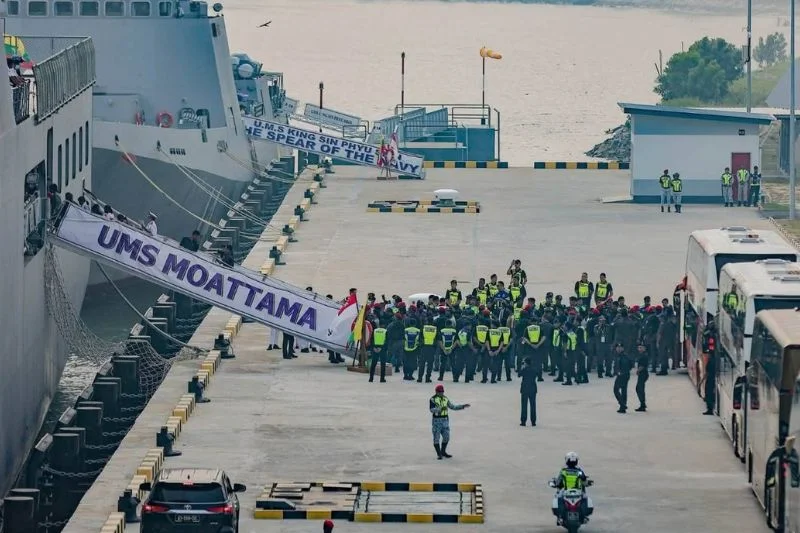
Through the initial phase of its repatriation program, Malaysia has sent back 1,476 Myanmar citizens, while the total number of Myanmar citizens who can be repatriated through the same program might amount to as high as 5,000 people. There have been some concerns regarding safety and voluntariness of return of refugees raised by such organizations as the UN refugee agency. This is a big change for Myanmar workers who are already in Malaysia (or intend to go), as it makes a difference for 2026 and beyond.
Quick Facts: Malaysia Myanmar Repatriation 2026
| Detail | Info |
| Phase 1 returnees | 1,476 Myanmar nationals |
| Total programme target | Up to 5,000 people |
| Malaysia’s position | Described as voluntary |
| UN/UNHCR position | Raised issues relating to safety and free consent |
| Context | Myanmar continues to be in the midst of an active civil war since 2021 |
| Who is affected | Migrants from Myanmar who are detained in immigration centres in Malaysia |
| Comparable policy | The UK–France migrant deal (cross-border enforcement cooperation) |
Why Malaysia Is Sending Myanmar Nationals Home
Malaysia has been increasingly strengthening its immigration controls during 2026, and the Malaysia Myanmar repatriation programme is clearly a manifestation of that. The first phase was supposed to be a “structured voluntary repatriation”, but the UN refugee agency objected, pointing out that the people who were repatriated had been detained in immigration facilities at the time of decision-making. If someone is in detention, it’s not so simple to determine if it is truly a voluntary return.
This is consistent with the trend internationally. Malaysia’s approach is similar to the UK-France migrant deal, which centres on bilateral enforcement action on the border, rather than just a humanitarian issue. As in Europe, undocumented populations are spurring tougher action throughout Southeast Asia in the name of politics.
What This Means for Myanmar Workers in Malaysia
So what does this mean for Myanmar migrants in Malaysia or those who wish to relocate to Malaysia in search of jobs?
- The repatriation programme mainly targets people who are detained in immigration facilities, who do not have visas or work permits. A worker who has been properly documented, or has legitimate employer sponsorship, is in a much different situation than an undocumented migrant.
- This is an important difference that Malaysia has not made: Closed doors to Myanmar workers. The repatriation programme is not a blanket rejection of Myanmar workers in Malaysia, but only applies to those already detained. Malaysia still has a large number of migrant workers in various industries such as manufacturing, construction and agriculture.
- For Myanmar nationals seeking an employment opportunity in Malaysia in 2026, the only way to go is through the official channels, which is obtaining a valid Malaysia work visa, a licensed recruitment agency and being registered with an employer in Malaysia. These routes are not possible at all without bypassing and are much riskier to take under current enforcement conditions.
The Safety Concern: What UNHCR Has Said
The UNHCR has stated that it is not safe to return people to Myanmar now. Since a military coup in 2021, Myanmar has been mired in a civil conflict, with some groups, notably the Rohingya ethnic minority, being documented as being subject to threats of persecution and targeted violence.
Safety isn’t the only concern. It’s whether individuals were given a real and informed option to return, whether the situation of detention rendered it essentially impossible to refuse to return, or whether it simply wasn’t worth it for the individual. This discrepancy between the official picture and what is actually happening is what international rights organisations are pointing to.
Comparison: Malaysia’s Approach vs. Global Migration Trends
| Aspect | Malaysia (2026) | UK–France Migrant Deal |
| Core approach | Repatriation/deportation | Cross-border enforcement & returns |
| Target group | Detained irregular migrants | Channel crossing migrants |
| Stated rationale | Immigration rule enforcement | Deterrence and Border control |
| Rights concerns raised? | Yes — UNHCR | Yes (human rights groups) |
| Voluntary framing | Yes (disputed) | Partial |
The Bottom Line for Myanmar Workers
The Malaysia-Myanmar repatriation 2026 programme is not necessarily a sign of Malaysia shutting out Myanmar workers altogether but rather a sign of Malaysia’s immigration enforcement. This difference can make a huge difference for job seekers and workers in making their next move.
The biggest lesson to be learned: Use legal paperwork as your best defence. There are workers who are operating legally and have valid work visas in Malaysia in a completely different situation from those who are snared in the enforcement net. It’s 2026 and Malaysia is tightening up its immigration stance. There is less and less leeway in mistakes in paperwork and visa requirements.
FAQs: Myanmar Workers and Malaysia Immigration 2026
Do the workers of Myanmar have the opportunity to apply for jobs in Malaysia in 2026?
Yes. This is about those who are detained, not the Myanmar labour force in general. The legal path to find work in Malaysia is still open, but the rules regarding documents and the registration of employers are being applied very strictly.
Are you planning to send more Myanmar nationals back to Malaysia in 2026?
The programme is planned in stages, and their target is up to 5,000 returns. Additional stages are expected to follow, mainly with the detainees who are not on valid work visas.
What should the Myanmar people know before they migrate to Malaysia for a job?
Only obtain through licensed recruitment agencies, make sure your employer is registered with Malaysian authorities and ensure your visa and work permit are not expired. Being undocumented is a bad situation in the current climate of enforcement.
Are the repatriation programme (MPP) and deportation identical?
In Malaysia, it is termed as voluntary return. Questions have been raised about the ability of the persons in detention to make a free choice. The distinction between voluntary repatriation and deportation in detention is a topic for current international discussion.
Global Worker Rights Issues You Should Know
Who Pays Rising H-1B Extension Costs?
Check out what workers can do if employers refuse payment.
How Do Malaysian Workers Navigate Singapore?
Find the key housing, economic and retirement challenges.
Could UK Bosses Really Face Jail?
Uncover what the illegal hiring crackdown means for workers.
Why Are Ceuta Migrants Returning?
Browse the food, safety and migration pressures driving returns.
Can Europe Solve Its Labour Shortage?
See why migration controls clash with growing worker demand.