khushboo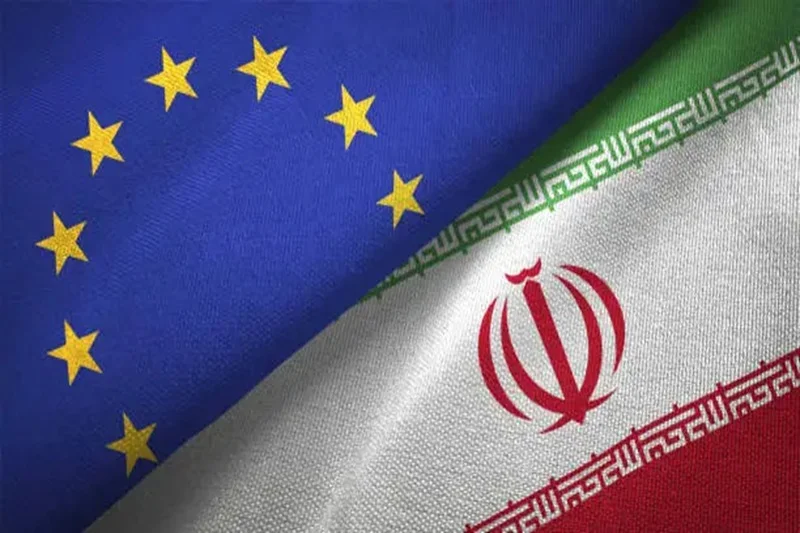
(C): Unsplash
As part of the current developments relating to Iran’s diplomatic mission, the European countries are seeking increased supervision. This move, which was initially considered to be a diplomatic move, is becoming more of an issue involving law, security, and economics. With the increasing influence of Iran reaching out to Europe, issues related to law and sovereignty become a significant factor.
Dangers associated with the actions of Iran in Europe
Intelligence agencies in Europe have noted down activities related to Iran which go beyond normal diplomatic activities. This includes suspected espionage, disinformation and hybrid warfare that has security agencies on edge. Although Iran claims its embassies are operating in accordance with international law, European bodies have raised concerns about what they believe to be destabilising activities within Europe.
This is an important change of focus. It is no longer just a regional issue in the Middle East but has become a domestic concern in Europe. Countries are now viewing Iran-related activities as part of a global threat, one that calls for effective surveillance and response mechanisms in the European Union, the United Kingdom and North America.
Gains for Legal and Diplomatic Measures
Prominent among measures being taken by Europe against Russia are the reemergence of legal and diplomatic measures aimed at fostering compliance with international standards. According to diplomatic norms, countries are able to address the behavior of missions that violate their initial mission. This right is being invoked in the case of Iran.
These might include increased surveillance, travel restrictions and even expulsion. These measures are not seen as escalatory but necessary to maintain sovereignty and to preserve international law. European politicians contend that enforcement is crucial to the operation of diplomatic processes.
Crucially, this does not result in widespread confrontation while still sending a clear message that there will be consequences for non-conformity. It marks a move towards a rules-based world, in which diplomatic immunity comes with responsibility.
Security Risks Not Just in Europe
The security aspects of Iran-related diplomatic efforts are most alarming. The spy and influence operations point towards a level of operation that borders on intelligence rather than diplomatic. This is important for the internal stability of the European states.
However, it seems that the issue is not isolated in Europe since American and Canadian officials have also noted these trends, indicating a global threat. Consequently, calls have been made for increased intelligence efforts and cooperation between NATO member countries.
By presenting a common threat, policymakers wish to unite in the recognition of the need for vigilance in times of hybrid war.
Implications in World Energy Markets
Aside from legal and security considerations, it should be recognized that Iran is one of the significant players in the world energy market. Disputes with Iran can consequently affect oil markets around the globe.
This is especially critical for European economies, which are already in transition and facing market uncertainty. Thus, the monitoring of Iran-related activities becomes a matter of economic, as well as security interests. Governments are recognising that diplomatic relations can indeed have implications for energy markets, affecting everything from consumer prices to production.
Europeans are expanding the justifications for oversight to include economic stability. The point is that complying with diplomatic standards is not.
Towards Enforcement through Coordination
The shift in attitude toward Iran is part of a wider shift in international relations: from a passive to an active role in diplomacy. European bodies, backed by the UK and North America, are indicating that monitoring and verification will be at the forefront of future relations with Iran.
That doesn’t necessarily mean the end of diplomatic engagement. But it highlights a shift – a shift that favours openness, compliance and adherence to international laws. The focus on legal and diplomatic measures will only increase in the face of Iran-related concerns.
In such circumstances, enforcement is not a policy decision but a means to preserve sovereignty, protect security and preserve economic stability in an interdependent world.
Stay informed with key global human rights and security updates.
What Violations Are Happening in Syria?
Discover the most prominent human rights abuses impacting civilians across Syria.
Why Is Iran Active in Sudan?
Explore how Iran’s growing presence in Sudan affects regional security and humanitarian conditions.
What Happened in Thailand Deadly Attack?
Check the latest updates as the nation mourns after a tragic attack killed 37 people.
What Rights Do Texas Workers Have?
Discover how reproductive rights impact workers and legal protections in Texas.
What Are Preventive Custody Rights Explained?
Explore your legal rights and protections if detained under preventive custody laws.