
 The Workers Rights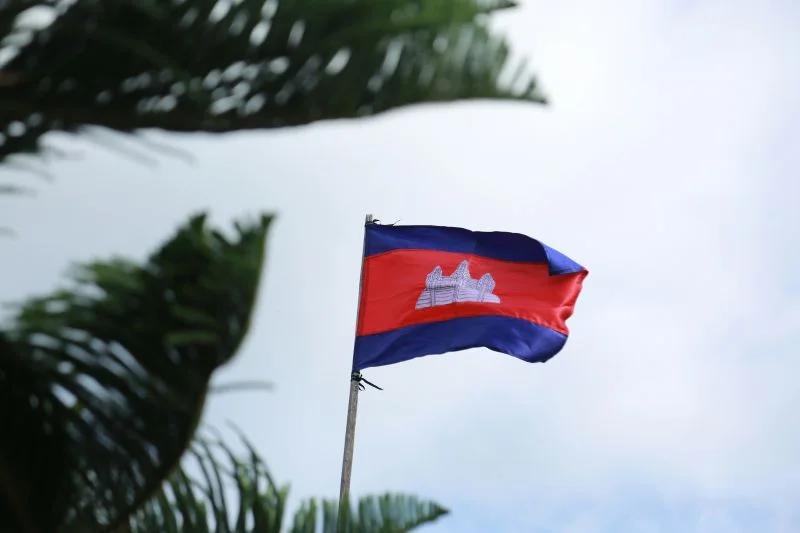
Cambodia increases regulation of conduct at workplaces for foreign managers, supervisors and interpreters. The Ministry of Labour and Vocational Training under Minister Heng Sour, had cautioned against any negative repercussions if the executives were to abuse and mistreat their Cambodian counterparts verbally.
The latter takes a harder line stance after investigations into complaints made by those of foreign management personnel in manufacturing units in the provinces of Kandal and Kampong Speu. The cases make it clear that when matters of expected conduct in the workplace are infringements of employment standards, then senior positions will not afford immunity from regulatory action.
MLVT Investigates Workplace Misconduct
The labour authorities in Cambodia have relied on various types of evidence in the investigation of workplace complaints. Possible items of investigation are CCTV footage, audio evidence, evidence from employees and admissions from any individuals that may have been involved in alleged misconduct.
In the cases emphasised by the ministry, foreigners involved had to record a public apology for engaging in disrespectful workplace behaviors and make written promises to keep doing so. The measures reflect the government’s commitment to maintain highly employee dignity and promote employee relations in the workplace.
Repeat Offences Could Put Work Permits at Risk
Some misconducts by expatriate executives have called for a special warning from the MLVT. Persons who are foreign managers and who cannot stop from the occurrence of any abusive behaviour may be subject to revocation of their work permit and deportation confined under the relevant regulations on regulation of work permit in Cambodia.
The message resonates with companies with foreign management teams. To avoid conflicts from turning into formal Cambodian government investigations, employers may require to reinforce supervision within the workplace as well as educating foreign staff on Cambodian labour needs.
Interpreters Also Face Greater Accountability
It’s not just managers, it’s workplace interpreters too. Conflicting communication, miscommunication and misunderstanding including the use of aggressive language whether through words or actions, during interactions between supervisors and workers can result in disagreements and administrative repercussions.
It is more critical than ever that companies with multilingual teams of workers interpret with precision and professionalism. Depending on the types of concerns being discussed, interpreters may be asked to convey workplace directions, employee issues and concerns in an accurate manner, but without using language that might stir up conflict.
Training and Reporting Measures Expanded
Prevention and education are also key themes for this ministry. The National Labor Institute offers training sessions related to workplace ethics, Cambodian cultural practices, and dispute-resolution procedures and techniques with foreign management teams.
Employees can find labour information in a variety of languages, as well. The MLVT has translated the Cambodian Labour Law into English, Chinese, Korean and Japanese, making it easier for foreign workers and employers to be informed.
What Employers Should Do?
Employers who hire managers in foreign countries should audit and update their workplace conduct policies, and set clear standards for communicating with their employees. The internal rule should be provided in Khmer and other foreign management understanding languages.
Grievance processes should also be made available to employees to resolve concerns before they escalate, as this will help ease issues before they become a concern. Companies can minimize compliance risk and promote healthier company relationships by conducting regular training for cultural-awareness and constructive complaint-handling processes.
FAQs
Are there deportation laws for managing directors who are working abroad?
Yes. Cambodia’s immigration process might exclude repeat offenders, according to the information given.
On what do they base their evidence?
Any video footage, audio tapes, witness statements or admissions obtained may be utilized in investigations of complaints of wrongdoing in a workplace.
Can interpreters be held responsible?
Yes. Consequences for interpreters for mistranslations and/or aggressive communication or miscommunication causing conflict in workplace situations.
Global Worker Rights Issues You Should Know
Who Pays Rising H-1B Extension Costs?
Check out what workers can do if employers refuse payment.
How Do Malaysian Workers Navigate Singapore?
Find the key housing, economic and retirement challenges.
Could UK Bosses Really Face Jail?
Uncover what the illegal hiring crackdown means for workers.
Why Are Ceuta Migrants Returning?
Browse the food, safety and migration pressures driving returns.
Can Europe Solve Its Labour Shortage?
See why migration controls clash with growing worker demand.





Recent Comments