
 The Workers Rights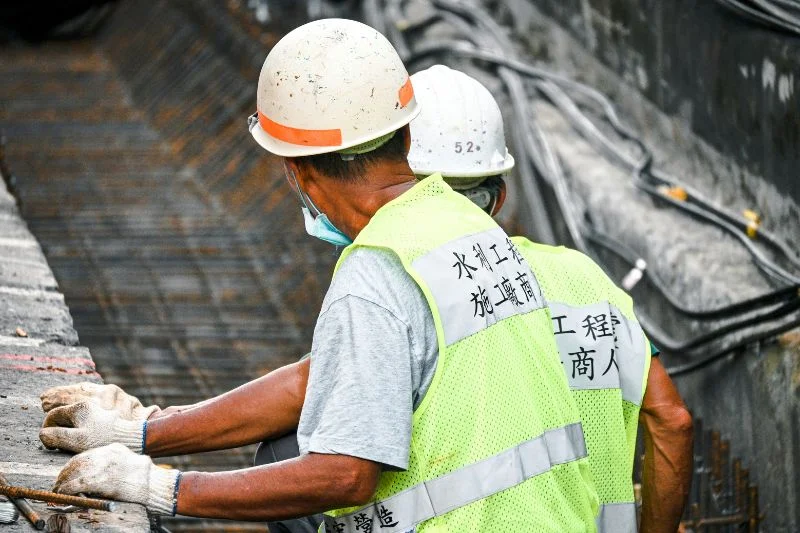
As public attention has been drawn to migrant labour, recruitment practices, and legal coverage, Taiwan is again under the spotlight for the effectiveness of its worker protection system. The debate has shifted from the employment numbers to the conditions under which foreign and local workers are doing the critical jobs.
Migrant workers are increasingly filling labour shortages in fields like caregiving, agriculture, fishing and manufacturing. This has made a strong economic case to ensure fairness in systems of recruitment, protections in the workplace and complaint mechanisms.
The Labour Debate In Taiwan Centres On Migrant Workers
Migrant workers are being hired more and more in Taiwan’s labour market to fill positions that cannot be filled by the local labour force alone. Foreign workers are especially important in caregiving, industrial production and several physically demanding occupations.
Migrant labour is becoming increasingly important, and worker protection is becoming more closely linked to economic stability. Poor working conditions increase turnover and lead to undocumented employment, which in turn puts additional pressure on employers and public institutions.
Worker Protections: Recruitment Fees Still A Major Concern
Recruitment continues to be one of the most sensitive issues in Taiwan’s migrant labour system. Workers may incur high costs before arriving, creating a financial burden that can continue long after they start work.
High recruitment fees can trap workers in debt and make it more difficult to leave an abusive workplace, moreover, financial obligations can further reduce bargaining power when immigration status or a specific employer is closely tied to employment.
Job Mobility Restrictions Could Heighten Vulnerability
Job mobility is another important element in the debate over migrant labour in Taiwan. Workers with limited mobility across employers may also become dependent upon the same employer even in deteriorating situations.
Such reliance can discourage workers from reporting excessive working hours, withheld wages, harassment or unsafe working conditions. The fear of losing employment may be particularly significant where the worker has borrowed money to finance migration.
Legal Gaps Make Some Workers Especially Vulnerable
One of the biggest concerns is around workers who are not covered by normal labour protections. Home helpers and some workers in the distant-water fisheries have traditionally been governed by separate legal regimes from the employees covered by Taiwan’s main labour law.
Such exclusions may affect working hours, rest periods and access to formal employment protections. Therefore, workers in demanding, long-term occupations may find themselves under conditions that would be more closely controlled in other industries.
Taiwan’s Hiring Plans Pose Broader Policy Questions
Then there are also discussions around recruitment from other countries, which adds an extra layer to the labour discussion. The demand for workers in Taiwan continues to spur consideration of new recruitment channels, but expansion also raises questions over whether existing enforcement mechanisms can keep pace.
Recruiting workers from new countries can diversify labour supply and create additional opportunities for international workers. But greater recruitment without matching improvements in oversight could add to pressure on existing systems.
Workplace Bullying Rules Offer Another Layer Of Protection
Workplace bullying has become an increasingly visible issue in the labour policy debate in Taiwan. New prevention regulations have increased the focus on behaviour that may jeopardise the safety, dignity and psychological wellbeing of workers.
An anti-bullying framework is only as useful as its implementation. Rules may set standards. But they also need clear channels for workers to report problems and to trust that complaints won’t be punished.
Regulation Of Brokers To Bring Transparency To The Labour Market
The employment broker is at the core of Taiwan’s migrant labour system. They therefore serve as intermediaries between the foreign workers and their employers. And they assist with administration. If properly regulated, they can play a useful role. But over-dependence on middlemen can be a source of problems. Regular audits and real penalties could help stop practices that place too much of a financial or administrative burden on migrants.
Better Complaint Systems Could Change Worker Protection
An effective system of labour protection cannot function without a reliable complaints mechanism. Workers need to know where to file complaints, how cases will be investigated, and what protections are in place against retaliation.
Accessibility counts particularly for migrant workers. Complaints should be available through multilingual channels and not only through the employers or the recruitment agents.
More Rigorous Enforcement Could Help Taiwan’s Economy
Better labour protections need not be incompatible with Taiwan’s economic interests. A well-regulated labour market can improve retention, reduce disputes and boost the country’s reputation among international workers.
Employers, too, can profit from clearer rules. Consistent enforcement of the law reduces uncertainty and levels the playing field between enterprises that comply with labour standards and those that seek to reduce costs by providing poor working conditions.
The Taiwan Labour Reform Debate Has Global Implications
Taiwan’s experience is relevant to labour markets beyond Taiwan. Many advanced Asian economies face similar challenges of aging populations, shortages of migrant labour, and protection of foreign workers.
The challenge is finding a balance between immigration control and worker rights protection. Governments need enough labour market flexibility to respond to economic demand, but not so much that employment systems are able to create structural vulnerabilities.
Taiwan Could Use A Beefed-Up Worker Protection System
The increasing discussion on labour rights in Taiwan is a sign of a broader shift in its workforce policy. Migrant workers are an increasingly important part of the economy, and effective protection is essential for a stable and sustainable labour market.
There are issues around job mobility, workplace bullying, recruitment fees, legal exclusions and complaint mechanisms that need a coordinated policy response. If other parts of the system are weak, improvements in any one area are unlikely to fix vulnerabilities.
Global Worker Rights Issues You Should Know
Who Pays Rising H-1B Extension Costs?
Check out what workers can do if employers refuse payment.
How Do Malaysian Workers Navigate Singapore?
Find the key housing, economic and retirement challenges.
Could UK Bosses Really Face Jail?
Uncover what the illegal hiring crackdown means for workers.
Why Are Ceuta Migrants Returning?
Browse the food, safety and migration pressures driving returns.
Can Europe Solve Its Labour Shortage?
See why migration controls clash with growing worker demand.





Recent Comments