
 kritika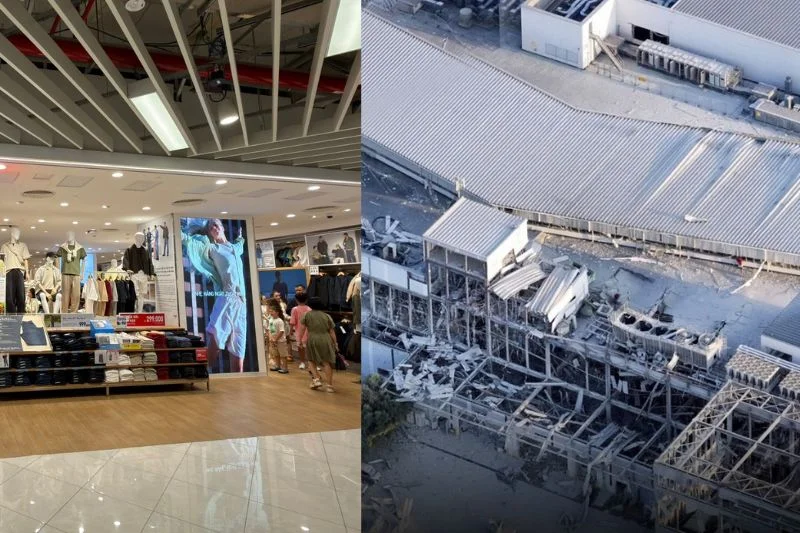
With the Aeon Mall Blast in Kumamoto Prefecture, the question of workplace accident compensation is at the forefront. Seven employees working in tenant shops were killed in the explosion, and their families are now grappling with the prospect of working out their rights to benefits and claims. The rights of the family members of those who have been killed, of injured workers, and survivors are well defined under Japan’s Workers’ Accident Compensation Insurance (Rodo Saigai Hoken), irrespective of the legal party at fault.
Quick Facts: Aeon Mall Blast & Japan Workplace Compensation
| Detail | Information |
| Incident | Explosion at Aeon Mall Kumamoto, Kashima town |
| Date | July 28, 2026 |
| Casualties | 7 workers working in tenant shops were killed. |
| Likely Cause | Liquefied petroleum gas (LPG) leak. |
| Legal Framework | The Workers’ Accident Compensation Insurance Act. |
| Who Qualifies | Individuals working on the premises are injured. Workers (including tenants), contract workers, and part-time workers who are injured on the premises. |
| Claim Filed With | Labour Standards Inspection Office (Rodo Kijun Kantoku Sho) |
| Employer’s Liability | May stand outside of the law of crime; |
What Happened at the Aeon Mall Blast?
A huge explosion erupted in the building of the Aeon Mall in Kumamoto just after the big earthquake hit on July 28. The blast happened when customers and staff were evacuated, but some tenant workers re-entered the building in an attempt to get their belongings — and this is when seven people were killed.
Since the explosion, it has been determined to be a workplace accident, which means that the victims and their families are entitled to receive workplace accident compensation provided by the national insurance law in Japan.
Overview of the Workers’ Compensation Scheme in Japan
Through the Labor Disaster Insurance (労働者災害補償保険), practically all workers, either full-time or part-timers, are covered for an accident or death occurring during work. The cost of the insurance has to be borne by the employer, while all the workers are required to subscribe to the scheme.
This implies that:
- The insurance cover is provided by the employer and not by the worker.
- When there is a dispute over legal liability, compensation will be paid.
- Claims are not dealt with by courts but by the Labour Standards Inspection Office.
What Can Workers’ Families Claim After a Workplace Death?
In the event of the Aeon Mall Blast or any other workplace death in Japan, the following benefits are available to the families:
1. Survivor (Bereaved Family) Compensation Pension
The main advantage for families of employees who are fatally injured at work. Reimbursed on a monthly basis to qualifying surviving family members (spouse, children, parent). This depends on the size of the family and the average income of the deceased.
2. Lump-Sum Survivor Pension
If there are no qualifying dependents to receive a pension, then the benefit provided will be in the form of a lump sum paid to the next of kin.
3. Funeral Expenses Allowance
Government allowance toward the payment of funeral expenses, calculated at a predetermined multiple of the deceased’s average daily wage.
4. Special Condolence Money
An extra financial contribution towards insurance payable by the government, in addition to the regular insurance benefits.
Compensation for Injured Workers (Not Fatalities)
If a worker has survived a work accident but has suffered injuries, they are entitled to claim:
| Benefit | What It Covers |
| Injury/Illness Compensation | Medical treatment costs in full |
| Suspension Compensation | 60% of average wage during recovery (topped up to 80% via special benefits) |
| Disability Compensation Pension | Awards of compensation for permanent disability (Grades 1-7) are paid at regular intervals. |
| Disability Lump Sum | Lower-grade permanent impairments (Grades 8-14) are treated as a one-off payment. |
| Care Compensation | To provide continuing nursing care for worker |
Can Families Also Sue the Employer?
Yes. The workers’ accident compensation insurance and civil liability laws are distinct systems in Japan. Families can:
- Make a claim on your insurance as per the Labour Standards Inspection Office (no-fault claim)
- At the same time, file a civil damages action against the employer or building owner for negligence.
If, for example, a decision by the employer to allow back-in was found to be negligent, then civil liability may apply in the case of the Aeon Mall and similar earthquakes that allow re-entry. This is a question for the courts, but it does not hold up or prevent the insurance claim.
How to File a Workplace Accident Compensation Claim in Japan
They are organised but doable to claim with the proper guidance:
- Get the appropriate form from the nearest Labour Standards Inspection Office
- Provide medical records (injuries) or a death certificate (deaths)
- Bring proof of employment ( employment contracts, pay slips, shift records)
- Identify eligible beneficiaries (for survivor pensions)
- Wait for the office to evaluate — benefit is based on the office’s assessment and is subject to the amount set by the office.
It does not require a criminal investigation or employer admission for families to start this process.
Employer Obligations After a Workplace Accident
Employers are obligated to do the following under the Labour Standards Act (Rodo Kijunho) and related laws:
- Report the accident to the Labour Standards Inspection Office as stipulated in the specified period.
- Cooperate in the investigations of the government
- Prevent any obstruction for the workers and families to file claims
- Provide the documentation required by the insurance company
- Failure to comply may incur penalties and liability.
Comparison: Civil Compensation vs. Workers’ Insurance
| Feature | Workers’ Insurance Claim | Civil Lawsuit |
| Who pays | Government (insurance fund) | Employer/operator directly |
| Fault required? | No | Yes |
| Speed | Faster | Slower (court process) |
| Amount | Fixed by formula | Negotiable/court-determined |
| Can run simultaneously? | Yes | Yes |
| Legal support needed? | Optional | Recommended |
FAQs: Japan Workplace Accident Compensation
Q: Are tenant workers eligible for compensation as well as direct employees?
Yes. The workers’ accident compensation insurance in Japan applies to any worker who has an employment relationship on the premises, including tenants who work on the premises.
What if the employer hasn’t officially admitted fault?
The insurance claim doesn’t need to be based on fault. Families can apply without having to wait for a liability determination.
How long does a bereaved family have to file?
The claims for a beneficiary or survivors’ benefits are usually filed within 5 years after death. The window for medical claims and disability is 2 years. It is highly recommended to file early.
Global Worker Rights Issues You Should Know
Who Pays Rising H-1B Extension Costs?
Check out what workers can do if employers refuse payment.
How Do Malaysian Workers Navigate Singapore?
Find the key housing, economic and retirement challenges.
Could UK Bosses Really Face Jail?
Uncover what the illegal hiring crackdown means for workers.
Why Are Ceuta Migrants Returning?
Browse the food, safety and migration pressures driving returns.
Can Europe Solve Its Labour Shortage?
See why migration controls clash with growing worker demand.




Recent Comments