
 kritika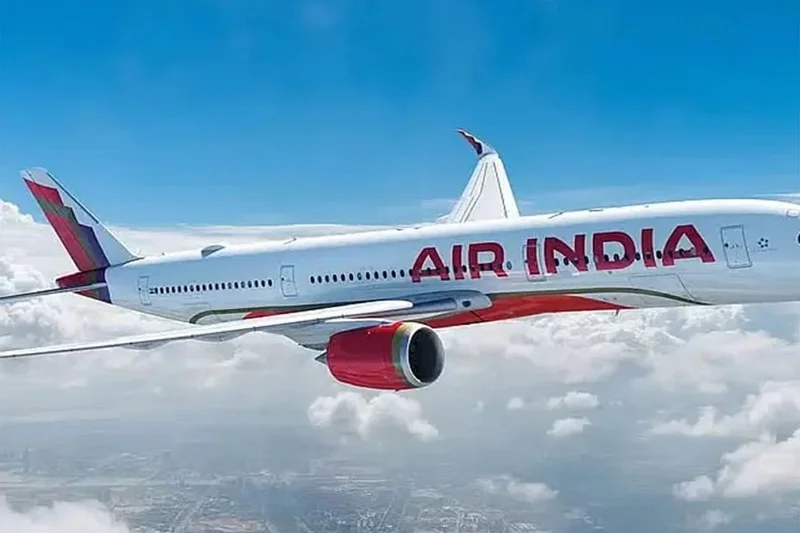
You are not alone if you’ve been swept up by Air India’s turbulence on a work trip, and you don’t have to go it alone. Extreme turbulence can lead to injury, missed flights and complicated questions of costs and benefits. From a flight delay, a medical crisis in flight, to a formal claim for compensation in the aftermath, employees who fly for business should know where they stand before they get on the plane.
Quick Facts: Air India Turbulence and Work Travel
| Fact | Detail |
| Governing body in India | Directorate General of Civil Aviation (DGCA) |
| International compensation framework | Montreal Convention |
| Airline ownership | Tata Group |
| Travelling to and from work.. | Insured when it happens while the person is working, typically covered if it happens at work. |
| Who is responsible for the duty of care? | Both the airline and the employer |
| Claim time limit (Montreal Convention) | 2 years from date of incident |
| Claim documents. | Medical report, travel record, incident report |
Why Business Travellers Are Especially Vulnerable in Turbulence
When it comes to Air India flight safety, most passengers consider their own safety. This second layer of complexity is the business travellers’ injury occurring during working hours. This means that two entities — the airline and the employer — may be liable for what goes wrong on the 35,000-foot flight.
The incidents on Air India flights have come up due to turbulence and brought down the level of preparedness of both the airline and corporate travel policies. Air India, which is part of the Tata Group, flies hundreds of flights per day, both domestically and internationally, and like any other airline, has to adhere to the DGCA’s rules regarding passenger safety, behaviour of the cabin crew and emergency protocols.
What Counts as a Compensable Turbulence Injury?
Passengers can claim compensation from the airline if injured during a flight, including in the event of severe turbulence under the Montreal Convention (an international treaty governing airline liability). Up to about ₹14 lakh or about 128,821 Special Drawing Rights (SDR) for claims, the airline need not prove its negligence. After that, the airline may raise a defence in the case of liability.
In case of turbulence in the aircraft, passengers should:
- Report the injury to cabin crew immediately; this will make the injury official.
- Always ask for medical help on landing, even if you only have a small injury.
- Ask for an incident report with the airline before leaving the airport.
- Retain all receipts and bills for reimbursement of travel.
- If the airline does not respond satisfactorily, lodge a formal complaint with DGCA.
Your Employer’s Role: Duty of Care While on Business Travel
Now, let’s get into the Air India work travel. If you are an employee of your employer, your injury may also be covered by workers’ compensation depending on your company’s corporate travel policy. If the injury occurred in the course of performing work related functions. Most jurisdictions cover injuries that occurred while on a business trip including flights with workers comp.
In the duty of care your employers have to ensure you are kept safe through ensuring:
You buy corporate travel insurance before you leave.
- The travel risk management plan considers scenarios of flight disruption.
- You can find medical assistance and know who to call outside of the country.
- If the flight gets disrupted on Air India, then the expenses incurred, such as hotels, re-booking flights, and medical expenses, are promptly reimbursed.
Air India Compensation: What You Can Claim and How
Here’s a quick-reference guide for Air India passenger rights in turbulent times:
| Situation | Who to Claim From | Basis |
| Turbulence-induced damage to the body. | Air India | Montreal Convention |
| Health costs for work travel. Health costs in the event of work travel. | Employer/travel insurance | Corporate travel policy |
| Wages lost because of injuries to the body. | Workers’ compensation | Occupational safety law |
| The expenses of delayed or cancelled flights. | Air India | DGCA consumer complaint |
| Emergency landing expenses | Air India + employer | Shared duty of care |
Always document everything. Air India customer support is the department which handles the first claims; however, in cases where you have sustained injuries because of turbulence or any kind of emergency landing on Air India, you would require legal assistance.
More workplace travel stories await.
Can Flight Workers Claim Their Rights?
Check out the latest workplace aviation updates.
Why Are Migrants Sent Back?
Find the key immigration developments here.
How Are Repatriation Flights Expanding?
Uncover the latest cross-border migration news.
Are Women Safer on Flights?
Look into important workplace safety concerns.
What Do Flight Attendants Earn?
Browse salary insights and career updates.
Before Your Next Business Trip: A Safety Checklist
Traveling for business purposes safely starts from the airport gate. Here’s what to do:
- Before travelling, please consult the Air India travel advisory for your travel.
- Ensure that all incidents occurring aboard an aircraft are covered under your company’s travel insurance.
- Understand the travel policy of your employer — particularly what constitutes a covered activity.
- Wear the seat belt at all times when in a seated position (even if the seat belt sign is off).
- Record Air India’s customer support number in your mobile phone.
- Always keep a copy of your travel authorisation because it is an important piece of evidence if you have a workers’ compensation claim.
FAQs
Is turbulence injury covered by workers comp on a work flight?
Yes, most of the time. If you were injured while on a flight for a sanctioned work trip, the injury is most commonly considered work-related and covered by workers’ compensation. Any personal detours or activities outside the scope of work may not be covered.
Should I be able to go for both Air India and my employer?
Claims from either may be made, and usually not twice for the same loss. A legal advisor will be able to help you put the claims together so that they don’t overlap, but are set up to increase your recovery.
Can I claim from both Air India and my employer?
The consumer grievance procedure of the DGCA or the procedure under the Montreal Convention (Civil Court) may be used to escalate the issue. Maintain all of the records of the Air India flight incident as evidence.
What if Air India denies my turbulence compensation claim?
The Montreal Convention limits the period for bringing suit to two years from the date of the incident. Wait no longer, collect the facts and begin to move forward as soon as you can medically.
What is the role of DGCA in aviation news and incidents involving Air India?
If any incident in an Air India flight occurs, the DGCA investigates such incidents, enforces the standards of aviation safety and may require the airline to take corrective action and/or provide the passengers with compensation if regulations are breached.





Recent Comments