
 The Workers Rights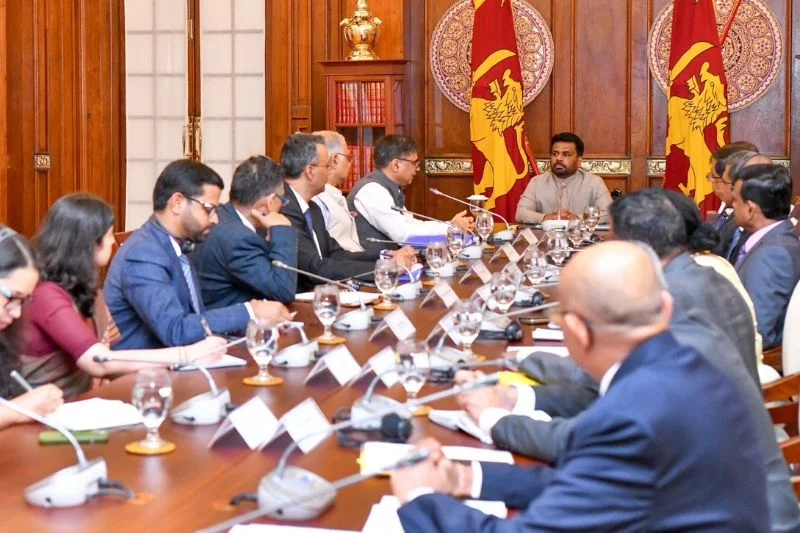
Sri Lanka is currently working on making a huge structural change in its labor law. It had planned to draft a proposed Unified Labor Code, which would combine many of these labor laws. The reform will simplify the inconsistent legal framework, and harmonize conditions between at work and modern working arrangements and international labor standards.
The plan could drastically change how flexible schedules, working remotely, overtime and part-time jobs are handled for employers and HR pros. It promises more definite statutory protection to labourers in more varied work environments.
Flexible Working Gets Formal Recognition
One of the highlights of the changes is the introduction of flexible working practices, which are to be included as a legal right in the workplace. Staggered working hours, compressed hours, 4 day or 4.5 day hours within the weekly working hour limits, could be agreed in a flexible way between the employer and the employee.
This might provide more flex in scheduling business shifts and better flexibility from employees in meeting personal needs.
Remote and Hybrid Work Rules
The proposed framework also proposes that remote and hybrid work be clearly dropped into a legal framework. When working from home is required, there may be written agreements regarding work schedule, availability, equipment, connectivity to workplace and to each other, safety at the workplace and others.
In the business environment, remote will not be considered as a workplace concession anymore but a smart way of doing business. Having a formal remote working policy can help set ground rules for performance, working times, Dataguard, expenses, and availability.
Stronger Protection for Part-Time Workers
Creative measures to ensure clearer statutory safeguards for part-time and flexible workers will also be expected. Any rights in relation to pay and leave would be given proportionately as a result of the basis of the employee’s working arrangements and the relevant legislation.
This might help quell uncertainty amongst businesses using flexible working arrangements and help workers have more solid employment protections.
Overtime Rules Become More Standardized
Implementation of the proposed Unified Labor Code is an attempt to bring uniformity in overtime arrangements across the country. Based on the information provided, the normal working week would be 45 hours and overtime is usually paid at a premium of 1.5 times the normal rate.
The proposed rules would also specify the wage amounts to be paid for overtime work in a week and the number of overtime days for work on holidays or Poya days. It is essential that employers have systems in place to document the extra hours that may be worked.
What Employers Should Do Now?
Employers should start auditing employment agreements, payroll, attendance and remote-working procedures. HR teams must make it clear how many hours worked, overtime agreements, flexibility and remote work are going to be handled.
Companies should also be checking EPF/EFT obligations and making sure that their payroll systems are able to cater for any final obligations required under the legislation and implementation rules once they have officially been declared.
FAQs
What is the Sri Lanka Unified Labor Code?
It is the suggested scheme to streamline many laws on employment to a unified labour law system.
Will flexibility really be recognised as a legal right?
The proposed framework contains provisions regarding measures like staggered working hours, compressed working hours and remote or hybrid working, among others, that can be accommodated by it and could also receive statutory status.
What impact will the reform have on remote work?
It will provide protections to employees working remotely such as contractual protection of working hours, equipment, connectivity, safety, and other aspects of the employment.
Global Worker Rights Issues You Should Know
Who Pays Rising H-1B Extension Costs?
Check out what workers can do if employers refuse payment.
How Do Malaysian Workers Navigate Singapore?
Find the key housing, economic and retirement challenges.
Could UK Bosses Really Face Jail?
Uncover what the illegal hiring crackdown means for workers.
Why Are Ceuta Migrants Returning?
Browse the food, safety and migration pressures driving returns.
Can Europe Solve Its Labour Shortage?
See why migration controls clash with growing worker demand.





Recent Comments