
 The Workers Rights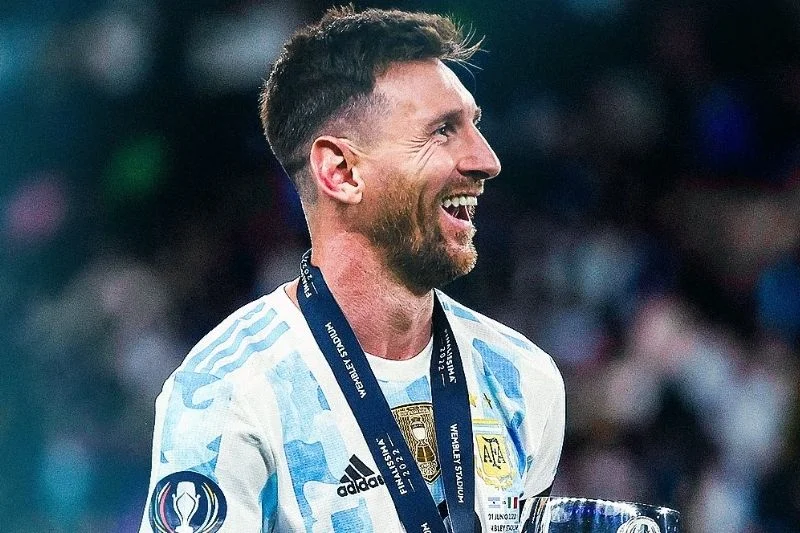
The end of Lionel Messi’s international career at age 39 isn’t just about a sports retirement; it’s about how to keep playing for a very long time. It was a World Cup, and one that had seen Messi play with many Argentina teammates, that he ended, sports reports said, after decades of steady, advanced play for the Argentina national team. But Messi’s retirement in 2026 is not just a goodbye for the star of football; it’s a blueprint for anyone working in the real world to create a long-lasting, sustainable career. Here are five lessons that can be gleaned from his experiences, applicable to anyone at any stage in their career.
Quick Facts: Lionel Messi Retirement
| Fact | Detail |
| Age at retirement | 39 years old |
| Announcement | Not shared on an official social media platform by the company. |
| Career span | More than 20 years at the elite level |
| Key theme | A long career over time because of adaptability |
| Lesson relevance | Applies to any profession, not only sports |
1. Adapt Your Skills as You Grow
Some of the key things to take from Lionel Messi’s career is that he is open to change. Messi, of course, as time goes on, has grown into a player who has more to offer in terms of field vision, positioning and experience than physical speed. It’s a lesson in adaptability on the job — a person with a single skill set is likely to become obsolete. Rather, adjusting your method as the situation evolves is integral to career longevity strategies that take place over time.
2. Conserve Energy for What Matters Most
The hard work of Messi was not about moving from place to place but about making smart efforts. He developed the ability to conserve his energy for the right times and situations rather than for any. At work, the key is to focus on doing tasks that will have a significant impact on the company rather than doing redundant work. One of the under-taught principles of the elite performer at work is that less is more – if it’s done perfectly.
3. Keep Learning, Even After Success
But Messi’s discipline didn’t stop on the pitch; he continually improved his passing, decision-making and tactical awareness as his body evolved. This is very similar to career progression for all employees in all industries. The desire to remain curious and open to new tools, technologies and methods makes professionals relevant in spite of their age or years of service. Achieving success in the long term is not a matter of the day.
4. Elevate the People Around You
Great players make great teams. During his career, Messi was famous for making his teammates look good, not himself. It is a sign of true leadership and professional development – transferring knowledge, coaching others and helping to achieve team success. Messi’s leadership lessons teach employees that it’s more important to win as a team than as individuals.
5. Be Consistent Year After Year
There may be no better theme that can be tied to Messi’s career longevity than consistency. Through injury, criticism and changing expectations, two decades of consistent performance established a degree of confidence that few professionals ever attain. You need to be successful, and you need to be consistent — showing up ready and prepared every day is often the difference between short-term and long-term careers.
Comparison Table: Football Career vs. Professional Career Lessons
| Football Lesson (Messi) | Workplace Equivalent |
| Using age-appropriate styles in play | Keeping skills up to date due to changing roles. |
| Conserving energy for important times | Prioritizing high-value tasks |
| Improving vision and passing | Lifelong learning and lifelong education. |
| Setting up teammates to score | Partnering with colleagues to mentor and support them |
| Consistent performance over a number of years | The development of trust based on reliability |
| Learning when to withdraw from a situation | Identifying when it’s the right time to make a change in your career |
Why the Lionel Messi Retirement Resonates With Workers
The Lionel Messi retirement is memorable because it’s not abrupt; it’s a result of reflection, just like thoughtful professionals do when they plan out their career transitions. It’s an important lesson of quiet leadership to know when to leave a job behind, not when it’s meant to be, but when it’s not. This level of self-awareness is uncommon but can be developed by regularly checking in on goals and development of any employee.
FAQs
What can workers learn from the Lionel Messi retirement?
The core lessons are adaptability, energy management, ongoing learning, teamwork and consistency – all of which are applicable to any career.
Why is Messi’s career considered a model for career longevity?
He is a man who has been at the top of the game for more than 20 years – doing things differently, not the same way all the time.
How does resilience relate to the Lionel Messi retirement story?
The good thing about it is Messi, over a period of years, had come up against setbacks, criticism and physical downturns, and yet he kept adapting his style of football, showing that resilience in the working world is actually a key factor in long-term success.
Can these career principles be used at a later age?
No, lessons such as adaptability, consistency and teamwork are pertinent at all stages of the career.
Key Takeaways
- The adaptability of an athlete’s career is demonstrated by Lionel Messi’s retirement.
- Spending energy on high-impact tasks is better than always working without concentrating.
- Lifelong learning is very essential for a successful career.
- Helping others builds trust and makes professionals gain a good reputation.
- Reliability is a better criterion than skillfulness for a successful career.
Global Worker Rights Issues You Should Know
Who Pays Rising H-1B Extension Costs?
Check out what workers can do if employers refuse payment.
How Do Malaysian Workers Navigate Singapore?
Find the key housing, economic and retirement challenges.
Could UK Bosses Really Face Jail?
Uncover what the illegal hiring crackdown means for workers.
Why Are Ceuta Migrants Returning?
Browse the food, safety and migration pressures driving returns.
Can Europe Solve Its Labour Shortage?
See why migration controls clash with growing worker demand.






Recent Comments