 kritika
(C): X
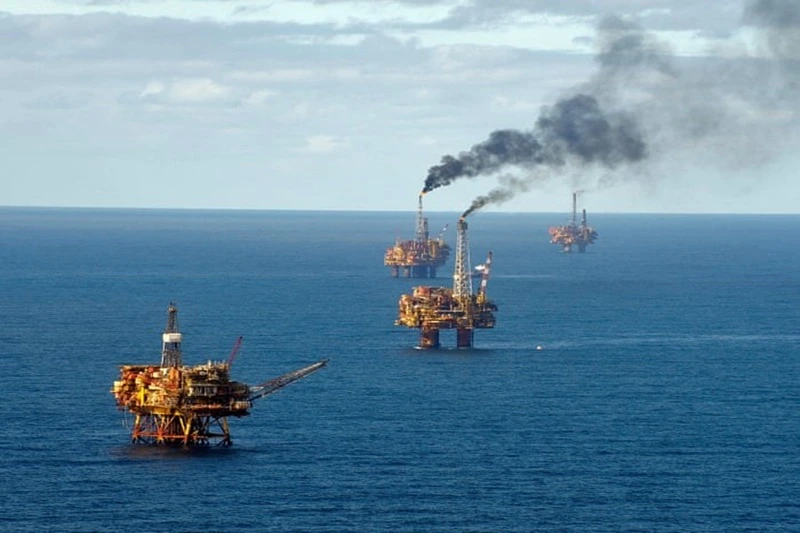
A North Sea oil workers’ strike is coming to offshore platforms this week and the timing is particularly delicate. Over 160 rig workers are set to strike 24 hours a day on Wednesday (21st October) starting at 6 am in a pay dispute, says Unite. The union says production will continue, but it warns of major disruption to fuel deliveries.
Quick Facts
- Who: More than 160 offshore workers, backed by the Unite union
- When: 24 hours from 6am on Wednesday, October 21
- Where: Five Apache-operated platforms linked to the Forties Pipeline System
- Pipeline share: Roughly 30% of UK oil production flows through the system
- Employer offer: A 4% pay rise for staff in the bargaining unit
- Talks: Acas-mediated negotiations continue on the same day
- Next dates: A further 48-hour walkout is planned for November 3
Why the North Sea Oil Workers Strike Matters
Apache has not been very willing to settle, so there’s no reason to believe the stoppages will be resolved. The company claims its 4% bid is significant and shows its workers are already amongst the best-paid in the UK, with an average of 153 working days off per year on an offshore rota.
The platforms include the supply of the Forties system – one of the UK’s key energy arteries. Unite says that if production stops, the pressure would fall severely down the pipeline, which would have repercussions on fuel availability. Apache doubts the risk. It is hiring seasoned contractors to maintain production levels, and even if all five platforms were to cease operations, other pipeline users would not notice the effects, it says.
A Second Front: Wood Group Contractors
This isn’t the only North Sea oil workers’ strike underway. On Tuesday, workers at oil services firm Wood Group started a new 48-hour strike at Harbour Energy’s Britannia, Jasmine, Judy, Lomond and North Everest platforms. Wood Group says only some of its approximately 150 employees at those locations were affected by the earlier round, which was taken in March, but that it does not expect its operations to be impacted. Unite and the RMT have also booked a third strike of 48 hours on November 3.
Tax, Investment and a Shrinking Workforce
There is a long history of a battle between unions and producers behind the headlines. They have cut investment in UK waters, citing the effects of energy policy and a windfall tax, which, when added to other levies, is applied at a 78% rate on profits. By the end of 2029, Apache plans to completely exit the North Sea. The biggest producer in the basin, Harbour Energy, announced late last year that it will rank 100 jobs from its offshore operations, following the reduction of about 600 positions from 2023.
What Happens Next
The conflict comes at a critical juncture. The government’s budget will be released on October 28, a ruling on the contentious Jackdaw gas project is imminent, and winter supply concerns are rising as a result of the international fuel crisis associated with Middle East and Ukraine conflicts. A major strike by North Sea oil workers would put further strain on an already tense situation.
The major concern at the moment is whether the Acas talks on Wednesday will bring an end to the threat of a North Sea oil workers strike before it starts. Otherwise, it’s all activity ahead in November, with a clearer discussion on the trade-off between the pay of workers and the investment in industry, and the security of UK energy supplies. Regardless of the result, this pay battle demonstrates how industrial relations can become an energy issue in so short a time.
Explore Global Jobs, Human Rights, and Climate Issues
1. Could Japan’s Manufacturing Boom Welcome Foreign Workers?
2. Which Countries Face the Worst Modern Slavery?
Uncover the reported modern slavery challenges facing North Korea and Eritrea.
3. Why Are Modern Slavery Rates So High?
Look into the factors behind reported modern slavery rates in North Korea and Eritrea.
4. Could Greenland’s New Projects Create More Jobs?
Explore how mining and defense projects could reshape Greenland’s employment opportunities.
5. What Are the Biggest Causes of Global Warming?
Discover 10 major causes of global warming and how they contribute to climate change.