
 The Workers Rights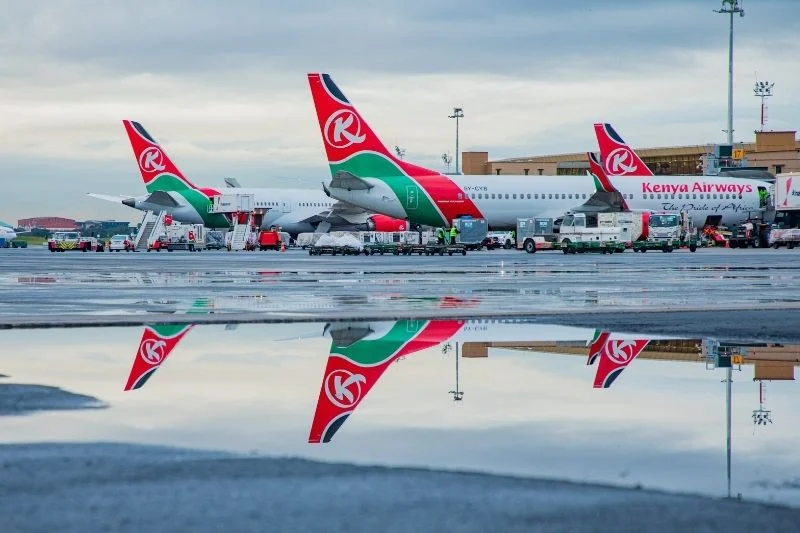
The workers at Jomo Kenyatta International Airport in Kenya have been on strike for two days from August 31, 2026, leaving many passengers grounded at the airport – one of the main concerns on the mind of every worker impacted by this strike is: will I be paid for striking?
Quick Facts on Kenya Airport Strike
| Detail | Info |
| Airport affected | Jomo Kenyatta International Airport (JKIA), Nairobi |
| Strike type | Go-slow (industrial action) |
| Union involved | Kenya Aviation Workers Union (KAWU) |
| Key grievance | A collective bargaining agreement that has not yet been implemented.Collective bargaining agreement that has not yet been ratified. |
| Delays reported | 6+ hours on Kenya Airways flights |
| Previous dispute | The situation remained the same as in February 2026, with no progress made. |
What Is Actually Happening at JKIA?
The workers in the aviation industry started this strike to call for better working conditions and the enforcement of an agreement that had been previously agreed but not implemented. The airline Kenya Airways reported that it was running several flights late and rescheduled some flights, which were cancelled. RwandAir also cancelled flights on both days. The disruption was felt far beyond Nairobi as JKIA handled some nine million passengers last year.
Negotiations stalled a day ago, and a new session was to begin with the unions and airport management on Monday.
Go-Slow vs. Full Strike: Key Differences
Many workers think that a go-slow is less risky than an outright strike legally. This assumption can come at a high price.
| Factor | Full Strike | Go-Slow |
| Workers present? | No | Yes |
| Still industrial action? | Yes | Yes |
| Any chance of money being deducted? | High | High |
| Disciplinary risk? | Yes | Yes |
| Protected if lawful? | Yes | Yes |
Kenyan labour legislation considers a go-slow as an industrial action. There is no rule that employers must pay full wages if work is deliberately slowed — and disciplinary action may still be taken.
Can Workers Lose Pay for Joining the Kenya Airport Strike?
The question employees have to ask themselves before they act.
1. “No work, no pay” can apply to a go-slow. In cases where the employer can prove that productivity was actively lowered, it may be possible for the employer to claim wages for hours that the employees were not actually at work performing a duty—even if they are physically present.
2. It is possible to take disciplinary action. Those who have not followed proper procedures via KAWU are particularly vulnerable at work. Outside of official union guidance, there is a huge risk to the individual.
3. A lawfully declared strike is protected. The dismissal protection for workers is better where KAWU has complied with the provisions of the Labor Relations Act in regard to the filing of the appropriate notice and the procedure for resolving a dispute. During the action, however, there may be a possibility of the payment of withholdings.
4. Your collective bargaining agreement is going to be important. Part of the main disagreements in this Kenya airport strike is the non-implementation of an already signed agreement. Those are the terms in a binding CBA, and the workers have more legal protection and more leverage.
What Airport Employees Should Do Right Now
- Check with KAWU about the action being legally registered.
- Make sure to record all incidents — including grievances and employer communications.
- Avoid working individually – the risk of legal liability is greater for individual workers without union guidance.
- Have an understanding of your CBA — what was agreed and what is not being honoured.
- If you get a disciplinary notice, consult a lawyer.
FAQs: Kenya Airport Strike 2026
Will workers be paid at the go-slow?
Depends on the legality of the action. Employers may advocate reductions in hours for diminished productivity (even if not physically present).
Is it legal for JKIA personnel to go out on strike?
In general, the law in Kenya protects workers from being dismissed for legitimate industrial action. That protection is lost if the action is unlawful.
What are the main demands?
The Kenya Aviation Workers Union (KENWU) has called for implementation of a collective bargaining agreement on pay and conditions – the same demands made in February 2026.
How many days of disruption will this be?
As of August 31, 2026, negotiations were continuing. The timeframe will depend on Monday’s negotiations.
A Recurring Pattern
This is the latest in a series of strikes by JKIA employees at the airport. A similar dispute happened in February 2026 over the same unresolved issues. But its return to industrial action a few months later reveals a bigger issue: agreements are reached but not followed through — and aviation workers are getting tired of the process.
For employees the consequences are real, lost wages, risk of discipline, continuing uncertainty – and no resolution of grievances.
Know Your Rights And Stay Protected At Work
What Are Different Types Of Leave?
Explore casual, sick and paid leave rules.
How Do Global Parental Leave Laws Work?
Discover rights and policies worldwide.
What Counts As Protected Characteristics Singapore?
Check new anti-discrimination law details.
What Is Workplace Discrimination Exactly?
Explore causes and prevention methods.
Why Can’t Workers Adapt To Heatwaves?
Discover challenges faced by urban workers.





Recent Comments