khushboo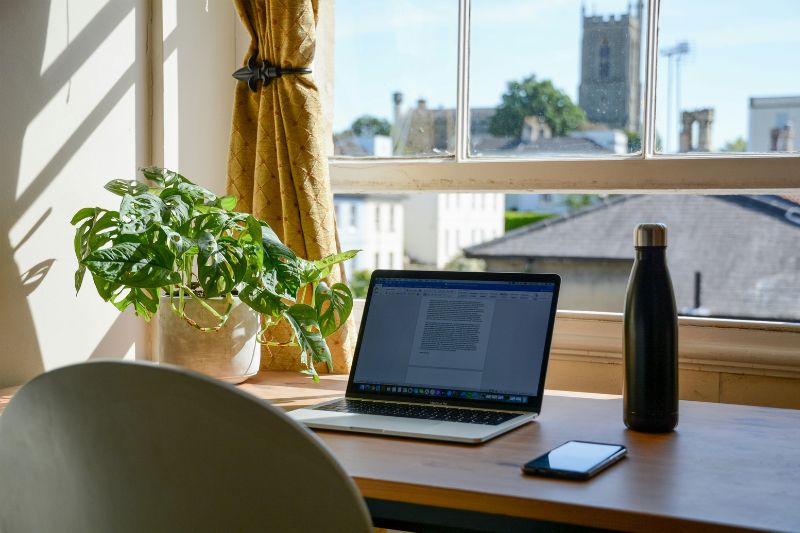
(C): Unsplash
Hybrid work in Africa now shapes office schedules, hiring plans, and pay talks. The trend sits on three pillars: connectivity, flexible workspace, and policy. Keywords noted: hybrid work in Africa, flexible work culture Africa, remote work Africa. That’s the picture today. Stay connected for more insights, stories, and news about workers rights around the world.
What Hybrid Work Means for the African Workforce
Hybrid here blends home desks, small city hubs, and periodic office days. Teams meet for sprints, then switch to quiet tasks off-site. Routine feels different now. Managers track outcomes, not chair time. Some weeks run loud, others calm. That’s how it goes, honestly.
Improved mobile data, neighborhood fiber, and satellite kits keep meetings alive during outages. Backup routers sit next to kettles in many homes. Quiet hum of an inverter, faint heat near a window, kids’ cartoons muted in the next room. Work still moves. Not perfect, workable.
The Boom of Coworking and Flexible Offices in Africa
Operators scale across major corridors. Central leases shrink while suburban passes rise. Footfall peaks midweek. Coffee smells strong near 10 a.m., printers click, small talk in mixed accents. Feels like real work sometimes.
| City hub | Typical use case | Notes |
| Lagos | project rooms, sales calls | flexible hours help traffic stress |
| Nairobi | product stand-ups, training | reliable meeting gear matters |
| Cape Town | client demos | sea breeze days tempt longer stays |
| Accra | finance ops | quiet pods get booked fast |
Talent Preferences and Cultural Shifts
Younger staff ask for fair time splits, tools that actually save minutes, and clear targets. Parents value commute cuts. Many mid-career workers prefer two office days for coaching and quick fixes. Not everyone wants a full remote, and that’s okay. Balance wins more trust.
Several states test remote-friendly visas and clearer tax handling for overseas clients. Cities pitch safer districts, steady power zones, and simple permits. Policy still catches up with payroll tech and cross-border rules. Progress shows up in small filings first. Then habits settle.
Challenges That Need Solving
- Power reliability at home sites, especially late afternoon.
- Patchy ergonomics, weak chairs, screen glare, odd room noise
- Compliance across borders, payroll timing, data rules
- Middle-manager training for fair, calm check-ins.
Sometimes it’s the small habits that matter.
The 2025–2030 Outlook: What’s Next for Hybrid Work in Africa
Expect hybrid as the default for digital, creative, admin, and client success roles. Mid-size cities will gain shared hubs near schools and hospitals. AI features inside everyday tools trim routine tasks, not all of them, but enough to notice. Training budgets tilt to managers and support staff. Quiet, steady gains.
FAQs
1. What does hybrid work in Africa usually include for teams across sectors?
A mix of home setups, coworking passes, and planned office days with clear targets, sprint reviews, and shared rituals that keep teams aligned without long commutes.
2. How do companies manage power cuts and network drops during key meetings?
Most keep dual connections, basic inverters, call-in numbers, and offline packs for tasks, so work shifts instead of stopping when the signal dips.
3. Which roles move smoothly into hybrid across African cities right now?
Customer support, design, content, finance ops, software, and sales ops adapt well, while labs and heavy hardware jobs stay onsite more often.
4. How are managers adjusting performance checks in a hybrid setup today?
They schedule shorter check-ins, focus on task timelines and output, and use simple dashboards so progress shows up clean without noise.
5. Do coworking spaces replace head offices completely across major hubs?
Not fully. Many firms keep a smaller base for clients and brand work, then add passes in suburbs to cut travel strain and lift attendance on key days.
Also read: Top 5 Work From Home Jobs