The Workers Rights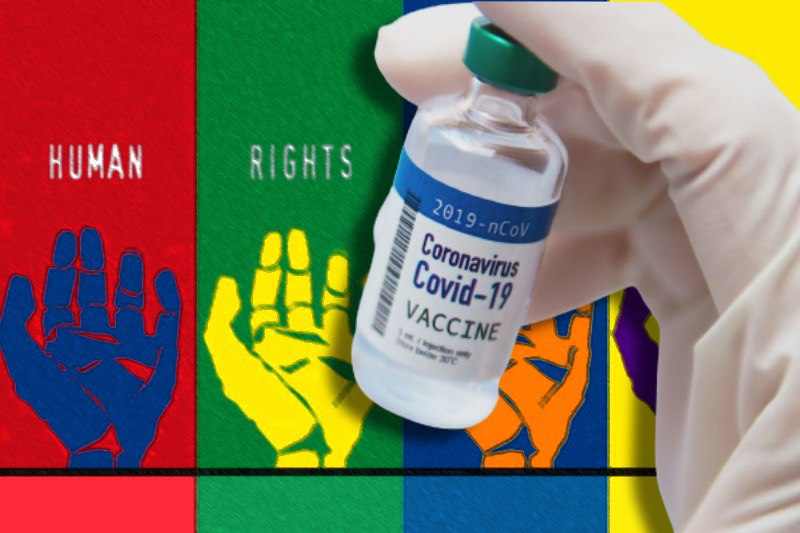
Human rights law
Study has shown that a human rights law can help in fair and equal allocation of COVID-19 vaccines
Countries across the world are ensuring all possible efforts to vaccinate the maximum population against the COVID-19 disease. However, amid these efforts, human rights activists have raised alarming concerns over inequitable access to COVID-19 vaccines in the global inoculation campaign.
In a recent study titled “An Intersectional Human-Rights Approach to Prioritizing Access to COVID-19 Vaccines,” researchers have recommended governments to explore human rights principles and protocols for better assistance in deciding the priority for administering COVID-19 vaccines.
The study has been carried out by a team of researchers led by Dr. Sharifah Sekalala of Warwick Law School. Researchers have proposed that a human rights law can provide a fair and transparent framework for appropriate allocation of vaccines to all sections of society.
In a December 2020 report, the United Nations Human Rights Commissions (UNHRC) had underlined that “affordable, non-discriminatory access to the vaccine is a human right.” In addition, the UN agency stressed that all businesses, including pharmaceutical companies and other entities involved in the global response to COVID-19, have a responsibility to respect human rights. Earlier, Human Rights Watch called on governments to ensure that all members of the community have equal access to safe and effective COVID-19 vaccine as part of their human rights responsibilities.
Reportedly, 171 countries have signed at least one international human rights treaty to provide basic health rights to people. Significantly, it can help governments in resolving issues of inequitable vaccine distribution by integrating an intersectional approach to inoculation campaigns in order to understand how different vulnerabilities affect human health. Researchers have called for the distribution of vaccines without any discrimination.
“There are three fundamental human rights which need to be reflected in any vaccine distribution programme – the right to life, the right to health, and the right to benefit from scientific progress,” Dr Sharifah Sekalala, lead author of the study, said.
The author noted that a fair and effective prioritization system would take into account vulnerability to infection and underlying structural determinants of health.
Published in BMJ Global Health, the study has reviewed the ongoing approaches of world governments such as the United Kingdom and Israel in vaccine allocation in order to analyse their rights perspectives and design a model of ethical, intersectional distribution of COVID-19 vaccines based on human rights legal principles.
As of February 8, more than 131 million COVID-19 vaccine doses have been given in 73 countries, including the United States, the United Kingdom, China, Canada and European Union nations. There are more than 42 vaccine candidates in human clinical trials, while over 150 vaccines are in the preclinical stage of development.