
 The Workers Rights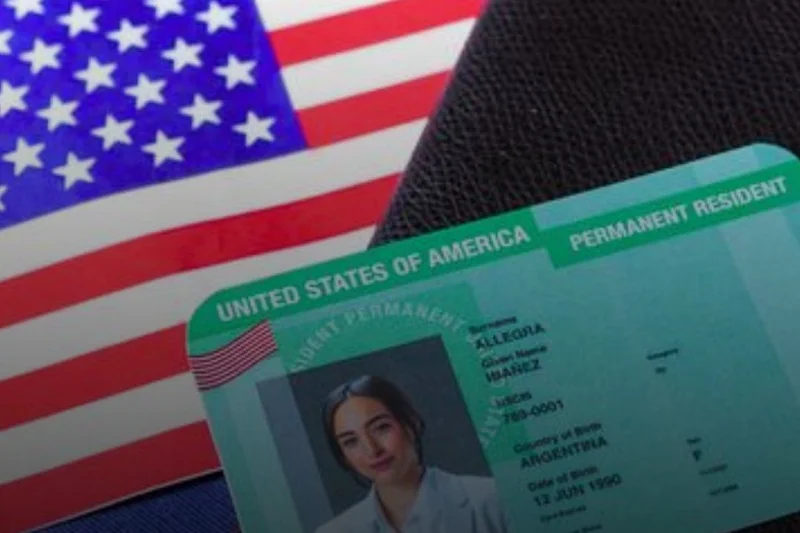
(C): X
The Trump administration has caused widespread worry among immigrants with a new sweeping U.S. visa policy, which could potentially upset the lives of hundreds of thousands of highly skilled workers in the country. The policy, which was also issued May 22, 2026, stipulates that non-immigrant visa holders – such as H-1B visa holders, students and tourists – will no longer be eligible to obtain green cards in the U.S. through consular processing abroad.
What Is the New US Visa Rule?
The new U.S. visa policy is that it is now possible to change the status of temporary visa holders only when the holders want to become permanent residents within the country through “extraordinary circumstances.” According to the spokesperson of the U.S. Citizenship and Immigration Services (USCIS), Zach Kahler, this policy change would lead to “a fairer and more efficient immigration system” and “USCIS resource savings”.
The shift is far from conventional immigration practice over the past few decades. Former USCIS official Doug Rand estimates that 1 million people file green card applications annually, and about half of them (about 500,000) are those who apply for green cards from within the United States through adjustment status.
Green Card Shock for H-1B Workers
This has serious repercussions for H-1B workers in the U.S. They are highly educated, such as doctors, engineers, IT professionals and researchers, many of whom have resided and worked in the United States for years – even decades – while waiting for the issuance of their green cards due to chronic delays in the employment-based green card process.
This is especially bad news for those who have H-1B visas. With caps per country and a huge backlog in the US green card, India has the longest waiting time for the green card in the world. Employment-based applicants of Indian origin are waiting for 50-100+ years in the employment-based preference queue.
If they are forced to come back to India for consular processing, under a Trump administration, which has already barred nationals of more than 100 countries from getting back into the US, their journey back home would be a one-way trip.
Who Is Affected by This New US Visa Rule?
This new U.S. visa criterion applies to a wide range of individuals on non-immigrant visas, such as:
- H-1B visa workers (speciality occupation workers)
- F1 visa students
- B-1/B-2 tourist/Business visitors
- There are a number of other temporary visa categories available
The administration has stated that these visas are meant for a short-term stay with a certain intent, and that the US visa system was not intended to be the first step in a green card process. But critics point out that behind the claims lies the fact that to be eligible for many US work visas, including the H-1B, dual intent has been a long-standing practice.
Humanitarian and Family Impact
The policy has been strongly denounced by advocacy groups. It is “cruel” and “anti-family,” warned World Relief, a Christian humanitarian group, and stops the longstanding practice of allowing lawfully present non-citizens to adjust their status from within the United States.
This policy will separate husbands from wives and children from their parents, Myal Greene, president and CEO of World Relief, said. The organisation called for a change in the rule by “administrative action,” Congress or the courts.
What This Means for US Immigration Changes in 2026
This new US visa policy is just one sign of a new direction in US immigration policy, which is aimed at legal immigration as much as illegal immigration. This, along with the current green card backlog in the United States, combined with the current travel bans, may effectively close the green card door to a considerable number of skilled immigrants.
Companies that depend on H-1B workers are also closely observing the policy, as it introduces new uncertainty into the hiring and retention process.
What Happens Next?
There are likely to be challenges in court. Now immigration attorneys and advocacy organisations are indicating that the policy could be subject to court action for its compatibility with the current federal immigration laws. Until further notice, H-1B workers and other non-immigrant visa holders are encouraged to seek the counsel of an immigration attorney as soon as possible to determine the effect this new rule for US visas has on their own case.
Stay ahead with the latest H-1B and visa changes!
Can You Beat The Visa Clock?
Find smart ways to handle the 60-day deadline after layoffs.
Will H-1B Lottery Rules Change Soon?
Uncover how the new system could reshape applicant selection.
Are L-1 And O-1 Better Now?
Look into visa alternatives gaining attention during tech layoffs.
Why Are Green Card Hopes Fading?
Dive into fresh concerns affecting Indian H-1B workers today.
How Are Layoffs Hurting Visa Workers?
Check out the growing impact of tech cuts on H-1B employees.




Recent Comments