 kritika
(C): X
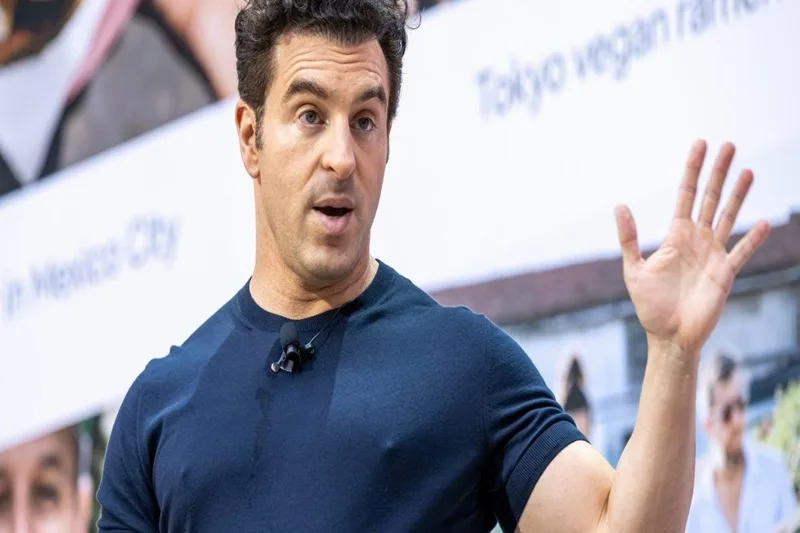
The majority of workers are afraid of losing their jobs to AI. Airbnb CEO Brian Chesky believes that’s a false threat. In an interview for the podcast, he highlighted two groups likely to face challenges: those managers who don’t know how to lead, and those employees who don’t want to change. The jobs most likely to be replaced by AI are highlighted in his comments, and if you work in an office, you’ll find out what you can do to protect yourself.
Key Highlights
- The most vulnerable are “pure people managers,” or employees who are uncomfortable with change and inflexible, says Chesky.
- Managers need to be blended – some hands-on, not just meeting managers.
- It is not only the people who use AI who will be more successful than those who don’t, but other tech leaders also say.
- Chesky states that the tools are “easy to learn” with the right mindset.
Why Pure Managers Face the Biggest Risk
Chesky pointed out that management that is solely dedicated to managing people will become “unnecessary” as AI transforms the way teams work. Running weekly one-on-one meetings and status meetings can be easily automated and combined with other roles. Management and AI are coming head to head, and “manager ICs”- those who know the product, are active in the product and drive the team using the product itself—will be the ones that survive.
Why Resisting Change Is Risky
The second group are all the employees who believe things will remain the same. The consequences of dissenting from using AI in the workplace are real. AI colleagues complete tasks quicker, create more and are an asset to their company. Refusing to learn these tools is really only a choice, according to Chesky, who thinks it’s easy to learn them.
Which Office Jobs Are Most Exposed?
Most vulnerable professions for AI automation include those that are centered around coordination, reporting, and information sharing tasks. This includes some middle management professions, administration, and repetitive analysis tasks. However, while such occupations will not be eliminated, the task of such professionals is simplified by automation. Roles that involve human judgment like negotiation, creative direction and ethical decisions fare better.
How to Protect Your Career
Learn by doing. Come up with one real task per week to complete with an AI assistant and see where time is saved.
Keep a close distance at work. Lead people with your hands in the product. The more you know, the more useful you are as a leader.
Develop abilities that machines don’t have. Judgment, empathy and persuasion are difficult to automate, so engage in what they have to offer.
Communicate the knowledge gained. Demonstrate a better approach to work to teammates and become more visible and valuable.
What Other Leaders Say
Chesky isn’t alone. However, Nvidia’s CEO Jensen Huang has stated that individuals, rather than AI, will exit the workforce so that AI can return to the job market. The same sentiment can be applied to the act of creating: co-CEO of Netflix, Ted Sarandos, has said that it is a critical way to generate revenue. These leaders are all saying the same thing: Adaptation is more important than raw talent.
Final Thoughts
The impact of AI on office work is transforming, but not equally. If you’re just coordinating, just supervising or just learning, you’re going to be under the most pressure – but if you’re doing both and using AI tools, you’re going to be at an advantage.” It’s important to start small, develop the habit early and maintain the skills.
Explore the Latest Workplace and Tech Developments
1. Why Did OpenAI’s Safety Chief Resign?
Find out what is known about Dave Willner’s resignation and its implications for AI safety.
2. What Does TravelPerk’s UK Study Reveal?
Check out the key findings on UK employees and their workplace travel trends.
3. Is Remote Work Helping or Hurting Employees?
Explore how remote work can reshape productivity, work-life balance, and workplace challenges.
4. Are You Ignoring These Eye Strain Signs?
Discover seven warning signs of digital eye strain and how screen-heavy work affects office workers.
5. Why Are Singapore Workers Still Unpaid?
Look into the unpaid salary concerns affecting 400 workers and the risks Indians should consider before working overseas.