 kritika
(C): X
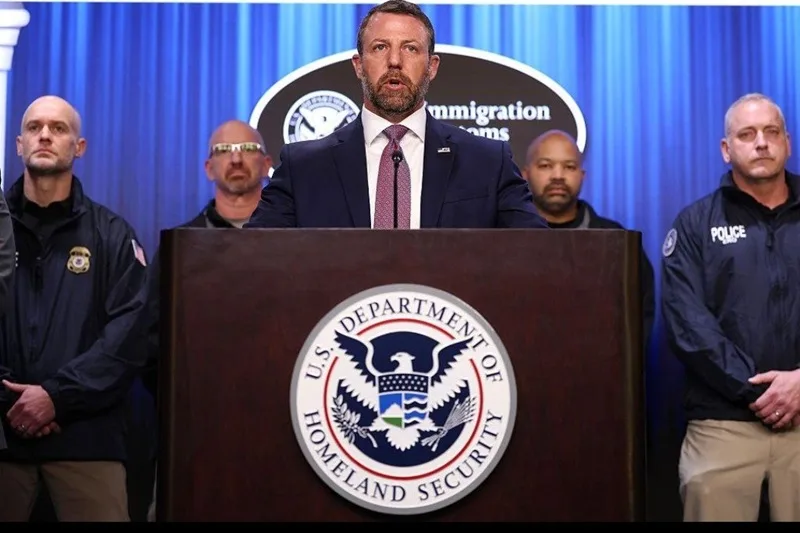
The Department of Homeland Security (DHS) has made a decision not to terminate Temporary Protected Status (TPS) for immigrants on October 26, 2026, and it implies that about 100,000 immigrants who qualify for TPS will be protected from deportation. Some 101,000 Ukrainians and 1,800 Sudanese were impacted. A decision on this will be made “at the right time” but didn’t indicate when, DHS said. The question that will be asked of workers is whether their work permits and jobs will be safe.
Key Highlights: Quick Facts
- Affected people: Approximately 101,000 Ukrainians, 1,800 Sudanese TPS holders
- Current status: Both groups are currently “retain protection”, and there is no end date specified.
- Original expiry: October 2026 (Ukraine’s previous extension was for 18 months starting 1 January 2025).
- Work permits: DHS has not certified EAD; TPS work authorisation is typically ongoing during protection
- Automatic rule: If a decision has not been made within 60 days of the expiration date, then TPS is extended for six months.
- Similar case: In September, almost 200,000 Salvadorans were similarly given a blanket reprieve.
What Happened to TPS for Ukrainians and Sudanese?
In April 2022, Ukraine was initially identified as a country to receive Temporary Protected Status as a result of the full-scale invasion by Russia. Sudan‘s designation is based on armed conflict and instability and was originally designated in 1997 and then renewed several times.
The TPS extension rules require DHS to make its determination at least 60 days prior to the end of TPS. If not, protection will roll over automatically after 6 months. This is one of the reasons why many are seeing this new change in deportation policy in the U.S. as a time-out, not a promise.
Are Work Permits Still Valid?
DHS didn’t directly respond to the questions about Ukrainian immigrants or work permits for Sudanese immigrants. However, in most cases, TPS will allow holders to be employed on a legal basis, and employment authorisation documents (EAD) will remain valid as long as the benefits of TPS are valid.
However, precautions should still be taken by workers:
- Save a copy of the DHS statement and the Federal Register notice.
- Please note the expiration date provided on your EAD
- Before renewing a USCIS work permit, review updates on USCIS work permits.
- Maintain a log of employer-related communications regarding re-verification
It is not legal for employers to dismiss employees due to temporary status. Your existing EAD typically will be acceptable if your employer requests it. Immigrant worker rights also bar discrimination at re-verification.
Why Job Security Remains Uncertain
Since there is no end date, one important concern for immigrants is job security. Ukrainian and Sudanese people are recruited by employers in the U.S. in fields such as healthcare, logistics, hospitality, and tech, and some employers may not be willing to promote and train individuals whose legal status as an immigrant might suddenly shift.
The advocates are calling the move a “bandage” and want a permanent pathway. Some have argued that TPS should be extended for longer. One policy analyst said it’s just an extension, and it will remain in effect until termination. The administration has already terminated TPS for more than one million people from 13 different countries, and the ruling may ultimately go either way.
What TPS Holders Should Do Now
- Check your status: Make sure to check the expiration dates of your TPS on USCIS official pages
- Plan renewals: Know and be able to complete work authorisation renewals in time
- Consult an attorney: Consider other avenues (asylum, family-based)
- Know the immigration policy: Keep up to date with DHS immigration policy announcements.
Bottom Line
As of now, the reprieve is that there is no immediate risk of losing work permits and jobs. However, immigration relief for TPS holders is not secure since there is no date set and a decision is pending. As the November 3 midterm elections approach, there could be more changes in the United States of America immigration landscape in 2026.
What You Need to Know About Human Rights and Immigration
1. Where Are Human Rights Violations Rising?
Explore reports of human rights violations involving Russia, Sudan, and Hong Kong.
2. Could the ELA Ruling Affect Asylum Workers?
Find out how the DHS ruling could impact workers with pending asylum cases.
3. Could H-4 EAD Permits Face New Risks?
Discover what H-1B spouses should know about potential work permit changes.
4. Can You Work After Visa Revocation?
Learn what a cancelled B1/B2 visa could mean for your US stay and work options.
5. Could Haiti TPS Changes Cost Jobs?
Uncover how deportation proceedings could affect Haitian workers, employment, and immigration status in the US.