The Workers Rights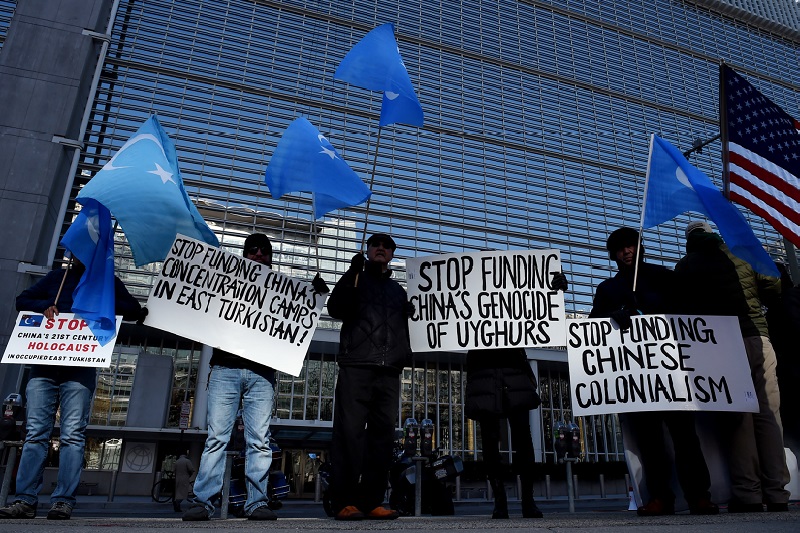
us china uyghurs protest
The U.S. enacted Uyghur Human Rights Policy Act (2020) has been widely recognized as a significant step towards addressing the harrowing human rights abuses faced by the Uyghur Muslim minority in China’s Xinjiang region.
While the legislation highlights the urgent need to protect Uyghur rights, the absence of specific sanctions is a cause for concern. The UHRP Act is seen as a beacon of hope by the oppressed minorities across the world. It directs the U.S government to impose financial sanctions and visa bans against Chinese government officials for the persecution of Uyghur Muslims, and requires an FBI report to Congress on efforts to protect the minority community from Chinese government intimidation and harassment on American soil.
But three years on, is it just mere words on paper. There should be targeted sanctions and an alternative approach. The Uyghurs should be given the opportunity to seek refuge and become U.S. citizens.
A Missed Opportunity
The UHRP Act sends a strong message of condemnation to China, calling an end to the ongoing human rights violations in Xinjian, an autonomous region in northwest China. But the absence of sanctions weakens the impact of this groundbreaking law, the first in history dedicated to promoting the rights of Uyghurs and other predominantly Muslim Turkic people. It fails to hold accountable those responsible for the atrocities committed against these minority communities. The U.S, without targeted sanctions, risks undermining its commitment to defending human rights and providing justice for the victims.
The U.S government should provide tangible support to those affected, and consider offering a path to citizenship for Uyghurs seeking refuge. This will not only grant Uyghurs the opportunity to rebuild their lives in a safe environment, but would also emphasize Washington’s commitment to protecting human rights and standing against persecution.
Keep Reading


By doing so, the U.S. can send a powerful message to the international community, reaffirming its commitment to safeguarding human rights. Moreover, the Uyghur people would be given the chance to escape persecution, access to essential services, and contribute to the American society. This minority community can also enrich America’s cultural fabric, while fostering empathy and understanding among its citizens.
Inclusive Strategy
The U.S government should adopt an inclusive strategy that combines targeted sanctions with supportive citizenship measures. This would demonstrate an unwavering commitment to addressing the Uyghur human rights crisis from multiple angles. It would reinforce the severity of the human rights violations and hold the Chinese government accountable for its actions.
The sanctions would target those individuals and entities who are directly involved in perpetrating human rights abuses in Xinjiang, freeze their assets and prevent them from doing business with U.S. companies. This would severe as a deterrent and inflict economic consequences, and force the Xi Jinping-led government to reconsider its policies and actions.
A Step Further
Being true to UHRP Act, the U.S should take a step further and seal its commitment to the Uyghur community. However, the lack of specific actions undermines its potential impact and leaves the door open for continued human rights violations. The U.S. government should take up a two-pronged approach that combines targeted sanctions against individuals and entities involved in the abuses with a pathway to U.S. citizenship for Uyghurs seeking refuge.
This bold action will validate and uphold U.S. stature as the expounder of human rights.