abi sri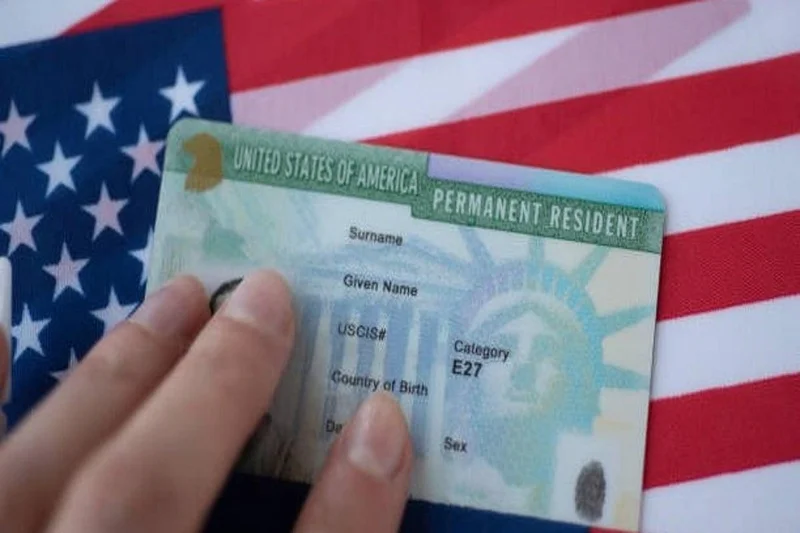
(C): X
Let’s face it, immigration for techs was already a long journey in the United States. Now? Add to the mix a new policy memorandum that is only complicating things even more. So, what has changed if you’re an H-1B, L-1 or OPT visa holder and are looking at the green card, and — more importantly — what should you do right now?
What’s Actually Changed? The New USCIS Green Card Restrictions Explained
Recently released policy guidance has, for the most part, quietly changed the landscape for adjusting status (AOS/I-485 applications) moving forward. The shift? This is what we are seeing now with regard to AOS—it’s being treated as a “privilege” and not an expected right.
What this means practically:
- The officers now have more discretion to look at each application individually.
- Your history of being sick or not, your contribution to the economy of the United States, and even “good moral character” will all be up for discussion.
- The consular processing facility overseas may be given greater preference as an alternative option.
These USCIS green card restrictions don’t mean you need to pack your bags. The Department of Homeland Security has notified most applicants they can still adjust their status even while abroad, but it has raised the hurdles for approval.
Who Gets Hit the Hardest?
These changes have a direct impact on those who are in the tech community and have a temporary visa in the USA, such as an H-1B, L-1 or OPT. The green card backlog for tech workers has already been difficult (and some have been waiting 10+ years), and with new scrutiny of green card applications, it’s now more difficult to change jobs, get laid off, or move to a new company without jeopardising your green card application.
5 Concrete Steps to Protect Your Status Right Now
1. Lean on Your Dual Intent Protections
The good news for H-1B and L-1 visa holders is that you have an advantage in the form of your visa classification: You are legally allowed to work while seeking permanent residency. Ensure that your corporate law team is also highlighting these two intent protections in your AOS filing. Do not assume that they are; ask specifically.
2. No Travelling Abroad Without Pre-arranged Passport
This is the most important. Leaving the US without an approved Advance Parole (AP) document means that your green card application is legally abandoned if your I-485 is pending. Please consult your immigration lawyer before travelling overseas, for any reason.
3. Keep Your Records Airtight
USCIS officers are actively considering your positive equities (such as economic benefit to the US) against any red flags, under the new USCIS green card restrictions. You must have uninterrupted documentation:
- No gaps in employment
- Clean tax filing records
- Evidence of legal immigration status.
- Consider it as making your own case before it is even brought up.
4. Use Premium Processing to Your Advantage
If you want to ensure your visa extensions and priority dates without too much risk, then you should consider USCIS Premium Processing on your underlying employment petitions, especially your I-140. It cuts down a lot of doubt and keeps things moving smoothly. This is quite helpful given the more restrictive immigration policies by USCIS in 2026.
5. Prepare for an Evidence Request (RFE)
Officers can make a Request for Evidence (RFE) relating to your character or immigration desire. Have the following readily available:
- Police clearance certificates
- The previous visas and visa approvals
- Employer verification letters
An unanticipated RFE can extend your timeline by months. The risk is substantially reduced when you are prepared.
The Bottom Line for Foreign Tech Workers in the US
The new USCIS green card restrictions reflect a change of attitude by the agency — and are aimed at shifting the burden on the applicant to proactively prove eligibility. The takeaway for H-1B employees, OPT students, and those who are going through green card changes for employment: Be organised, be proactive, and seek legal assistance early on.
Your priority date, employment authorisation and future in the US are important and worth protecting. Don’t take any chances.
Stay ahead with the latest H-1B and visa changes!
Can You Beat The Visa Clock?
Find smart ways to handle the 60-day deadline after layoffs.
Will H-1B Lottery Rules Change Soon?
Uncover how the new system could reshape applicant selection.
Are L-1 And O-1 Better Now?
Look into visa alternatives gaining attention during tech layoffs.
Why Are Green Card Hopes Fading?
Dive into fresh concerns affecting Indian H-1B workers today.
How Are Layoffs Hurting Visa Workers?
Check out the growing impact of tech cuts on H-1B employees.